You could be stuck with Verizon on your prepaid phones longer than you want after the Federal Communications Commission agreed to waive the carrier's 60-day phone unlock requirement.
It means Verizon no longer has to unlock smartphones 60 days after activation, as reported by Ars Technica. Instead, Verizon will have to abide by carrier-friendly voluntary guidelines set by the CTIA wireless trade group. The CTIA suggests carriers unlock prepaid phones one year after activation, while postpaid plans can be unlocked after the contract ends or after an early termination fee.
The change comes after Verizon petitioned the FCC in October 2025, at the time asking the FCC and the Trump administration to allow the carrier to lock phones for up to six months. Verizon argued that the 60-day requirement "benefits bad actors and fraudsters."
FCC rejects shorter unlocking periods

In the decision, the FCC said the Verizon waiver will remain until the agency “decides on an appropriate industry-wide approach for the unlocking of handsets.”
Additionally, the FCC rejected the 6-month locking period, saying that the CTIA policies are “an adequate threshold of ensuring Verizon consumers have competitive options and that granting this waiver will not impede those competitive options. We thus decline to limit today’s waiver to a period of 180 days.”
Unlike AT&T and T-Mobile, Verizon has had this requirement since 2008, when the company purchased 700 MHz licenses and again in 2021 when it bought TracFone. The FCC required Verizon to unlock phones faster as a condition of approving the mergers.
“Today, criminal networks are specifically targeting Verizon handsets due to the company’s unique unlocking policies,” the FCC’s filing says.
60 Days likely won't become the norm
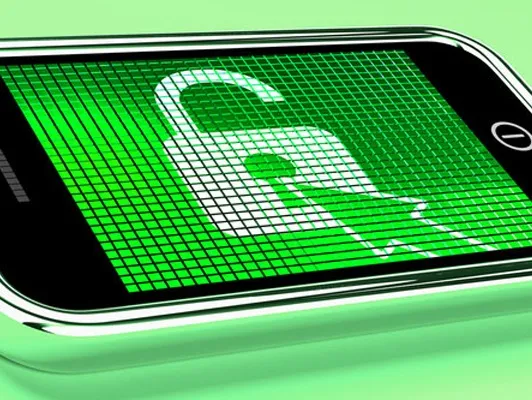
In 2024, the Biden Administration version of the FCC proposed a rule to make automatic 60 Day unlocking an industry standard.
"When you buy a phone, you should have the freedom to decide when to change service to the carrier you want and not have the device you own stuck by practices that prevent you from making that choice," former FCC chairwoman Jessica Rosenworcel said at the time.
Of course, T-Mobile and AT&T quickly responded, claiming that the rule was more harmful to consumers than carriers. "A handset unlocking mandate would also leave providers little choice but to limit their handset offers to lower cost and offer lesser performing handsets," T-Mobile's response read.
Opposition and "fraud"

Verizon's initial filing was opposed by a number of consumer groups like Public Knowledge, the Electronic Frontier Foundation, iFixit and Consumer Reports.
“It facilitates the resale and reuse of mobile devices, reduces e-waste, and enables low-cost carriers and MVNOs to compete on a more level playing field," a counter filing reads. "The opposite, which Verizon seeks through its waiver request, merely serves as a way to keep customers locked in one provider.”
The FCC under President Trump has been more amenable to corporations, though it couched the waiver decision in terms of concern over fraud. The agency claimed that 60 days is insufficient to deter bad actors.
“The FCC’s action will end bad actors’ ability to exploit the FCC’s unlocking rules to profit from easier access to expensive, heavily subsidized devices in the US that they traffic and sell to other parts of the world,” Verizon said in a statement seen by Ars Technica.

Follow Tom's Guide on Google News and add us as a preferred source to get our up-to-date news, analysis, and reviews in your feeds.
More from Tom's Guide
- Mint Mobile vs AT&T — which carrier is better for you?
- iPhone 18 Pro rumors: 2nm A20 Pro chip, variable aperture camera and under-display Face ID (plus new colors)
- Motorola's most advanced budget phone lasts a long time on a charge — but is that enough?