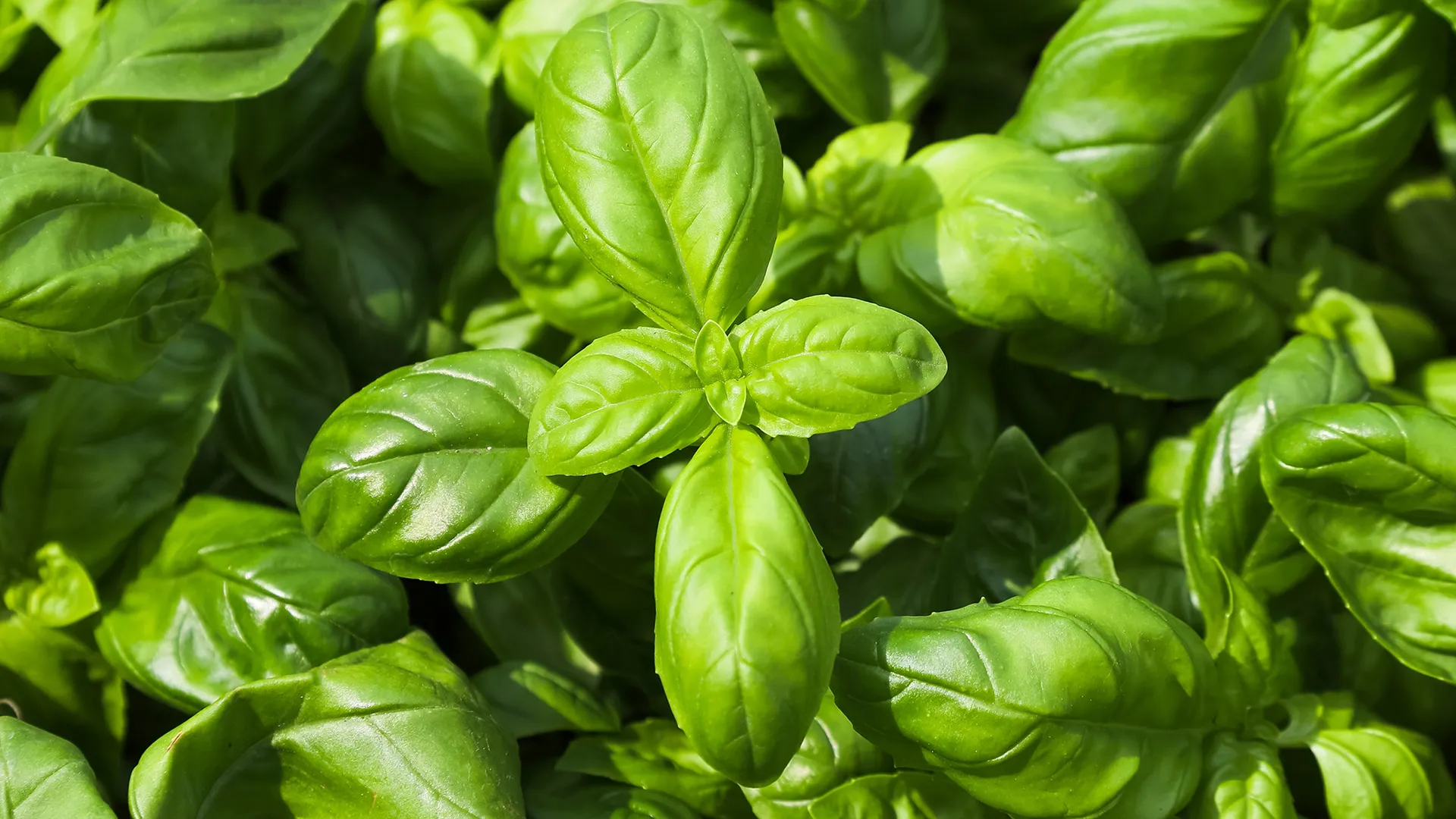
Basil is one of my favorite herbs, and it has benefits in both my garden and kitchen. Apart from its sweet aroma and bright green foliage, which add fragrance and a pleasant aesthetic to my garden, it’s a natural insect repellent and a wonderful culinary herb.
But this popular plant, which has multiple uses, can be temperamental to grow if you don’t get the conditions just right. Rather than a thriving plant with flourishing leaves, it can become lackluster, with limp, drooping leaves.
Whatever you do, don’t give up and discard your basil because it’s very likely its drooping leaves can be fixed.
Here are seven reasons why your basil might be drooping and how to bring it back to full health.
1. Underwatering
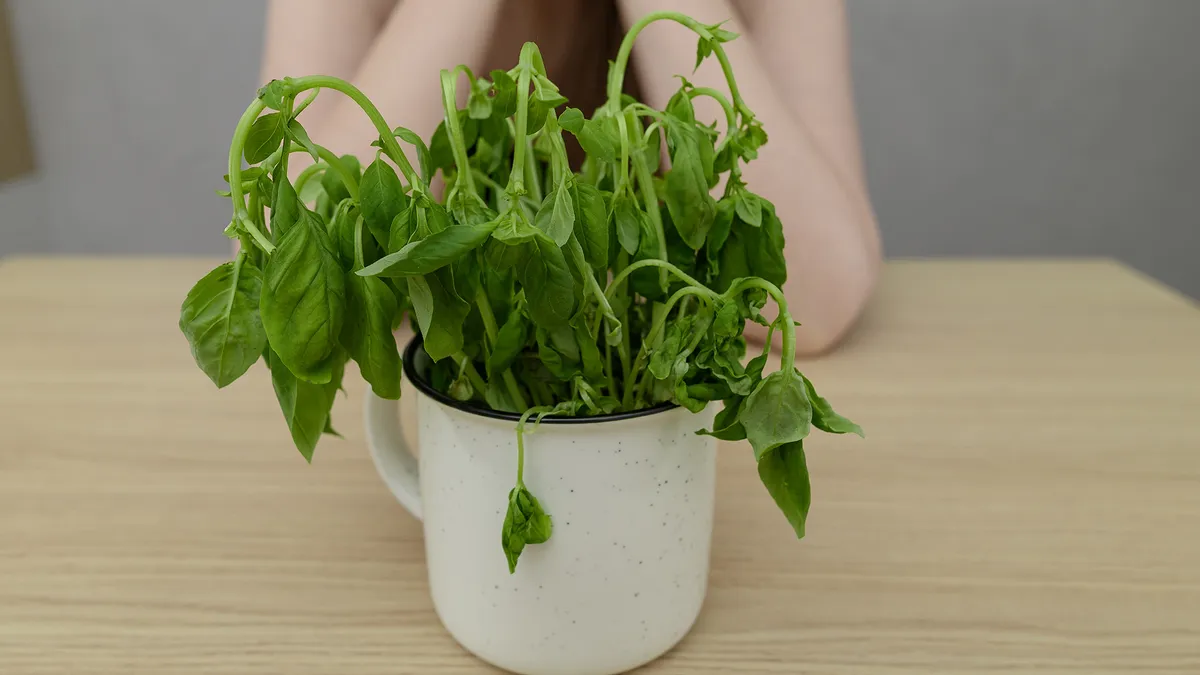
The main cause of a wilting basil is underwatering. Basil leaves droop when the plant is trying to conserve water. You can test the soil's moisture level with a plant moisture meter, or simply place a finger into the soil, if it comes out dry, your basil is calling out for a drink.

2. Overwatering
Overly wet, soggy soil suffocates the plant’s roots, preventing them from accessing the oxygen they need. If overwatering is the issue, you might also notice that the leaves turn yellow. The best way to save your basil is to hold back from watering for a week, and then testing the moisture level of the soil.
3. Disease
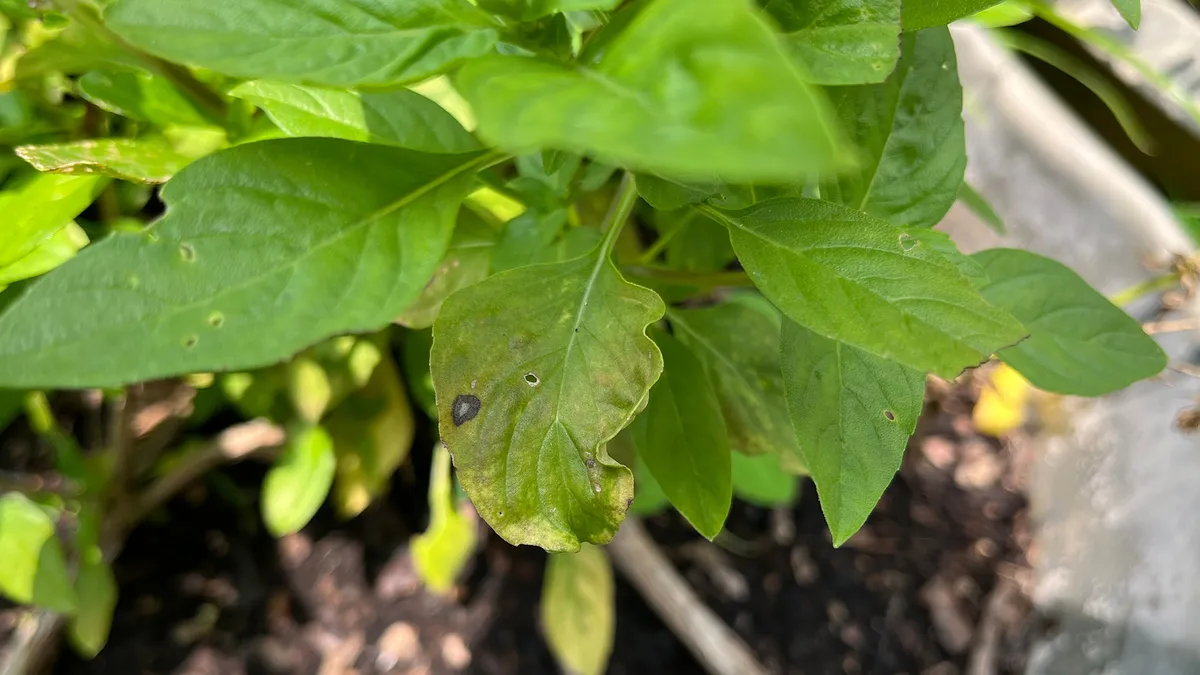
Apart from reducing the plant’s ability to access oxygen, overwatering can encourage fungal disease. The most common issues are downy mildew, fusarium wilt and gray mold. To avoid the issue, always water the plant at the base, rather than overhead, as wet leaves are a breeding ground for spores.
However, if your basil is infected with fusarium, you’ll notice the stem has developed brown streaks, and leaves wilt on one side of the plant, it is beyond repair and should be removed.
4. Temperature shock
Basil doesn’t respond well to the cold and will suffer when temperatures drop below 50°F (10°C). If your plant is outside, cover it to protect it during cold spells, or if it’s in a container, bring it indoors. Basil positioned on windowsills should also be protected from draughts, and moved accordingly.
5. Pest infestations
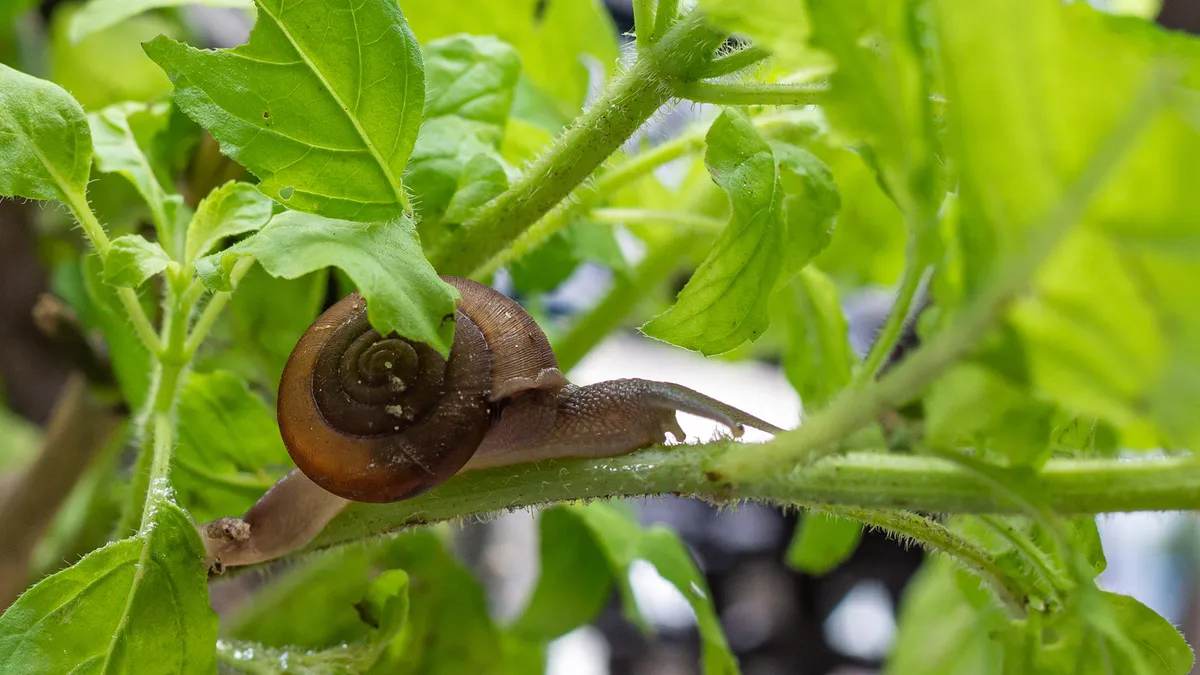
Pests love basil for its lush and aromatic foliage, but their frequent visits can leave it looking forlorn. To deter the likes of aphids and caterpillars, a insecticial soap or neem oil spray should do the trick. For snails and slugs that are easier to spot, you can remove them yourself. If you don’t fancy picking them up, pop on a pair of gardening gloves and use a trowel.

Follow Tom's Guide on Google News and add us as a preferred source to get our up-to-date news, analysis, and reviews in your feeds. Subscribe to Tom's Guide on YouTube and follow us on TikTok. Finally, you can visit our dedicated Tom's Guide Savings Squad hub for expert help on getting the best products for less.
More from Tom's Guide