Cockroaches appear in homes suddenly, seemingly from nowhere. One day your house is clear, the next you spot one scurrying across the kitchen floor at night.
Understanding why cockroaches enter homes is the first step to keeping them out. They're not just wandering in by accident. Your home is actively attracting them through entry points, food sources, water availability, and hiding spots that make it ideal habitat.
Here's why cockroaches come inside and how to eliminate the conditions that bring them in.
Why cockroaches come inside your house
Cockroaches are actively seeking three things: food, water, and shelter. When your home provides these essentials, it becomes a target.
Food availability is the primary draw. Cockroaches eat almost anything organic, from typical human food to things you wouldn't expect like cardboard, grease, and even soap residue. They're scavengers designed to survive on minimal resources, so even small amounts of food signal that your home is worth entering.
Water is equally critical. Cockroaches can survive weeks without food, but only days without water. Homes with any moisture, whether visible or hidden, become magnets for them.
Shelter completes the equation. Cockroaches are nocturnal and need dark, undisturbed hiding spots during daylight hours. Once they find these safe spaces inside your home, they nest and reproduce rapidly. A single female can produce hundreds of offspring in her lifetime, turning a minor issue into a full infestation quickly.
The combination of these three factors makes homes nearly irresistible to cockroaches. Eliminating what attracts them requires addressing each element systematically.
How to keep cockroaches out of your home
1. Seal entry points and eliminate access
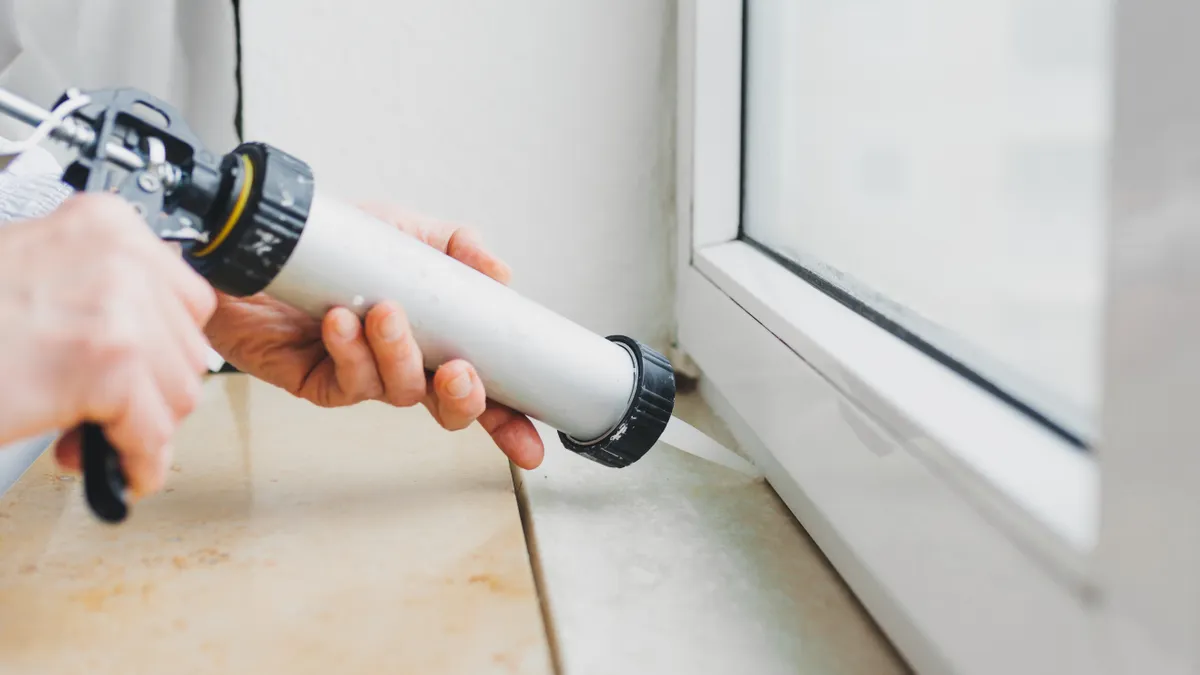
Cockroaches can't infest your home if they can't get inside, so start by inspecting both the exterior and interior for entry points and sealing them off completely.
Windows and doors are the most obvious places to check. Apply weatherstripping to doors, caulk around window frames, and fit door sweeps on all exterior doors — pay particular attention to garage doors and basement entrances, where even a small gap along the bottom is an open invitation.
Anywhere pipes, wires, or utilities enter the building is another vulnerability. Seal these penetrations with caulk or expanding foam, and don't overlook the areas under sinks where plumbing passes through walls or floors. In apartments especially, these gaps are how cockroaches travel freely between units.
The structure itself can also be a source of entry points. Cracks in foundations, walls, and baseboards should be filled. Caulk works well for smaller gaps, while a patching compound handles larger ones.
Finally, make sure any vents and drains have intact screens. Kitchen and bathroom vents, dryer vents, and crawl space vents are all potential entry points if their screens are damaged or missing.
2. Remove food and water sources completely
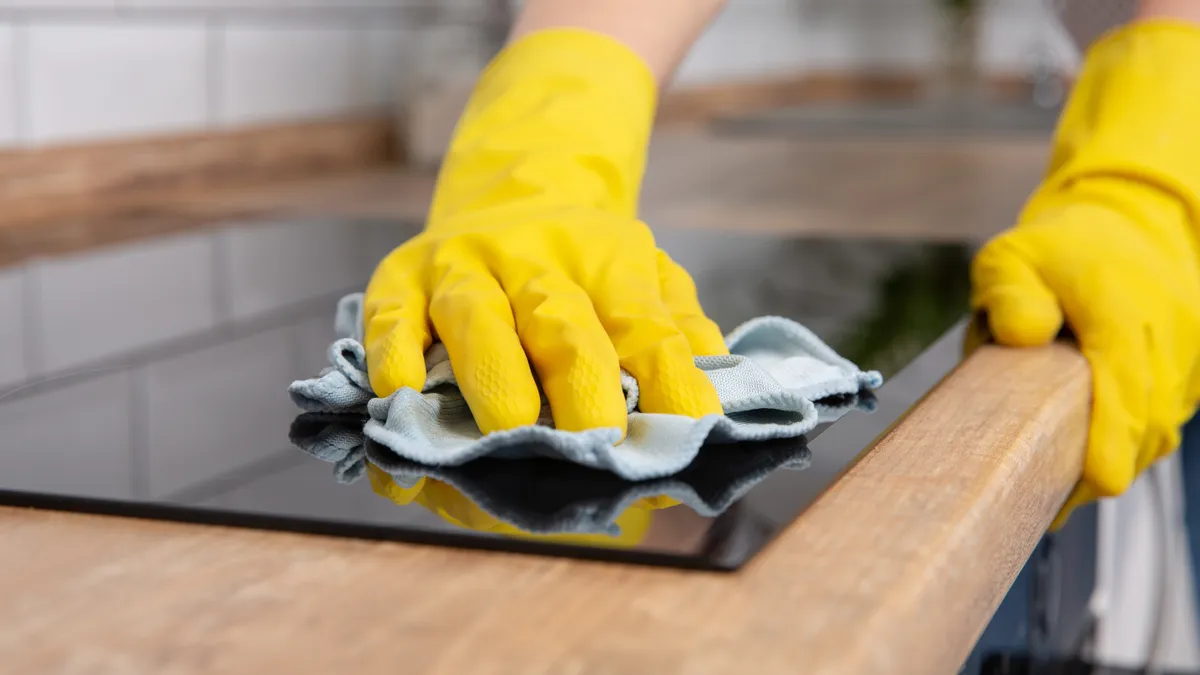
Eliminating what attracts cockroaches makes your home uninhabitable for them — and since even small amounts of food or water are enough to sustain a population, the standard has to be thorough.
Keep the kitchen clean on a nightly basis. Wipe down counters, sweep floors, and don't leave dirty dishes in the sink as cockroaches are most active after dark; an unwashed pan is an easy meal.
Store dry goods like cereal, pasta, and flour in airtight glass or hard plastic containers, since cockroaches chew through cardboard and thin plastic without much effort.
Manage trash carefully too. Use bins with tight-fitting lids, take them out before they overflow, and clean the cans periodically to get rid of residue and odor. Outdoor bins should be kept away from the exterior walls of your home.
Moisture matters just as much as food. Fix leaks promptly (under sinks, around toilets, behind appliances), and wipe down sinks and tubs after use so there's no standing water to draw them in.
Lastly, don't leave pet food out overnight. Feed on a schedule, put the bowls away when your pet is done, and store the food itself in a sealed container.
3. Reduce hiding spots and use barriers

Cockroaches need dark, undisturbed places to hide, so reducing clutter and applying a few simple deterrents goes a long way.
Start with storage. Replace cardboard boxes with sealed plastic bins, cockroaches eat cardboard and nest in it, and clear out piles of paper or bags that have accumulated in closets and under sinks.
Pull appliances out periodically to clean behind them too, since the warm, dark space behind a fridge or stove tends to collect exactly the kind of debris cockroaches are after.
For a passive chemical barrier, diatomaceous earth is worth keeping on hand. A thin line along baseboards, around pipes, and under appliances damages cockroaches' exoskeletons when they walk through it. It's non-toxic to people and pets.
Place bay leaves in cabinets and pantries round out the approach. Cockroaches avoid the scent, making them a simple, non-toxic deterrent. When the scent fades, simply swap them out for fresh ones.

Follow Tom's Guide on Google News and add us as a preferred source to get our up-to-date news, analysis, and reviews in your feeds. Make sure to click the Follow button!
More from Tom's Guide