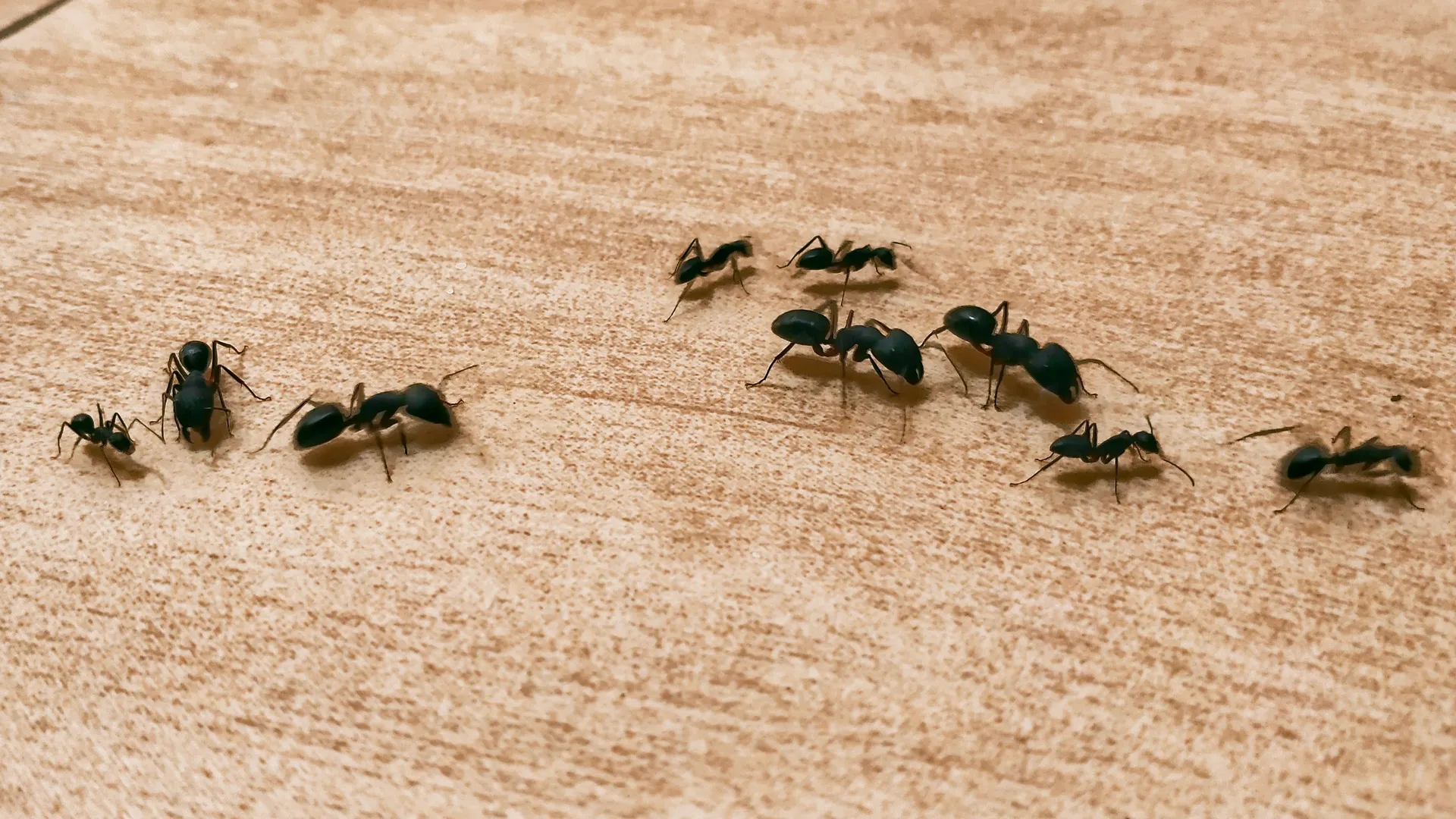
In spring, ants can become a real nuisance. But, there's one type of ant whose presence in your home can cause a huge problem and that's carpenter ants. True to their name, they love wood and they'll chew through it extensively to make their nests. If this happens in your home, you're at risk of serious structural damage.
Noticing these large black or red ants crawling in or around your home can be the first sign of trouble and while there's 3 steps to get rid of carpenter ants, what would be even better is to prevent them damaging your home in the first place.
Here's 5 simple things you can do around your home to stop carpenter ants infesting your home, before it's too late. It's important to note that ants get even more active in the summer months and they're mostly nocturnal, meaning you want to take these steps now rather than leave it until you start to notice a real problem.
What are carpenter ants?
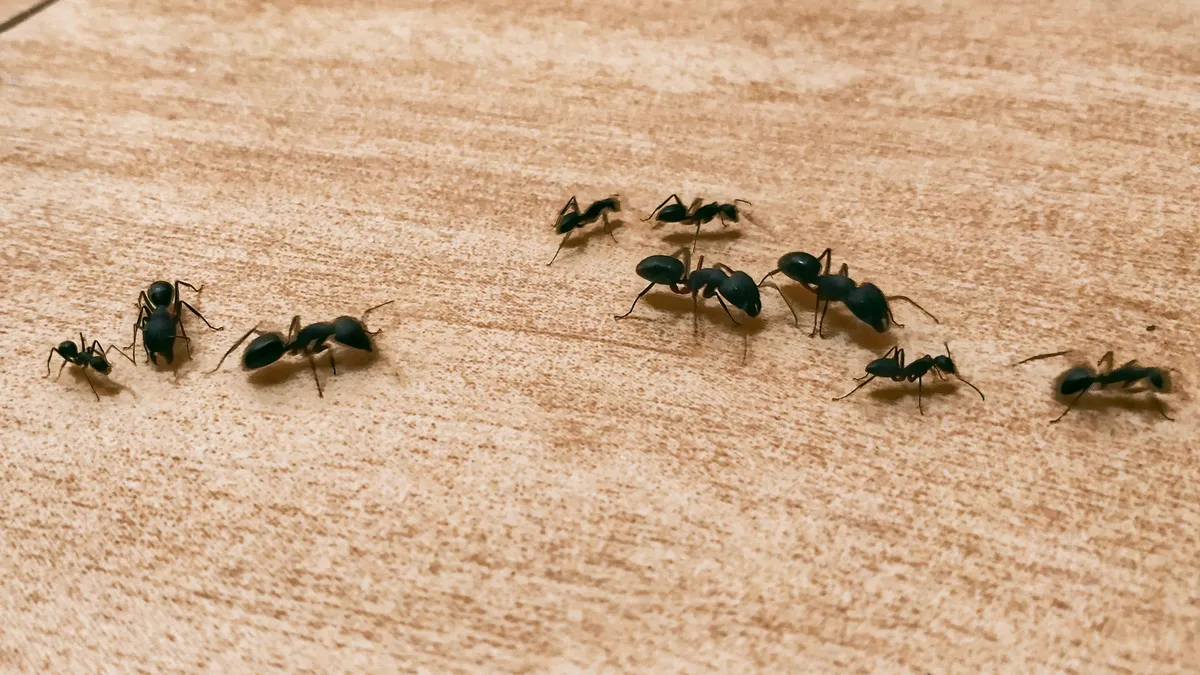
You might be wondering how you tell the difference between regular ants and carpenter ants. Well, it's pretty simple. Carpenter ants are a lot larger, measuring around a quarter- to half-inch in length and they also tend to be black or red in color.
You'll also notice them gathering crumbs of food around your home like your usual common household ant, but another clear sign of carpenter ants is that they leave little piles of sawdust near wood in and around your home. This is because they don't eat the wood. Instead, they mulch it to build tunnels and networks, hence the structural damage.
You may also begin to notice strange little scratching noises from within your home if they've really started to burrow. They're harder to find as they'll be hidden within your wood, but these signs will certainly be a good indiciation that they may have taken up residence.
5 steps to stop carpenter ants
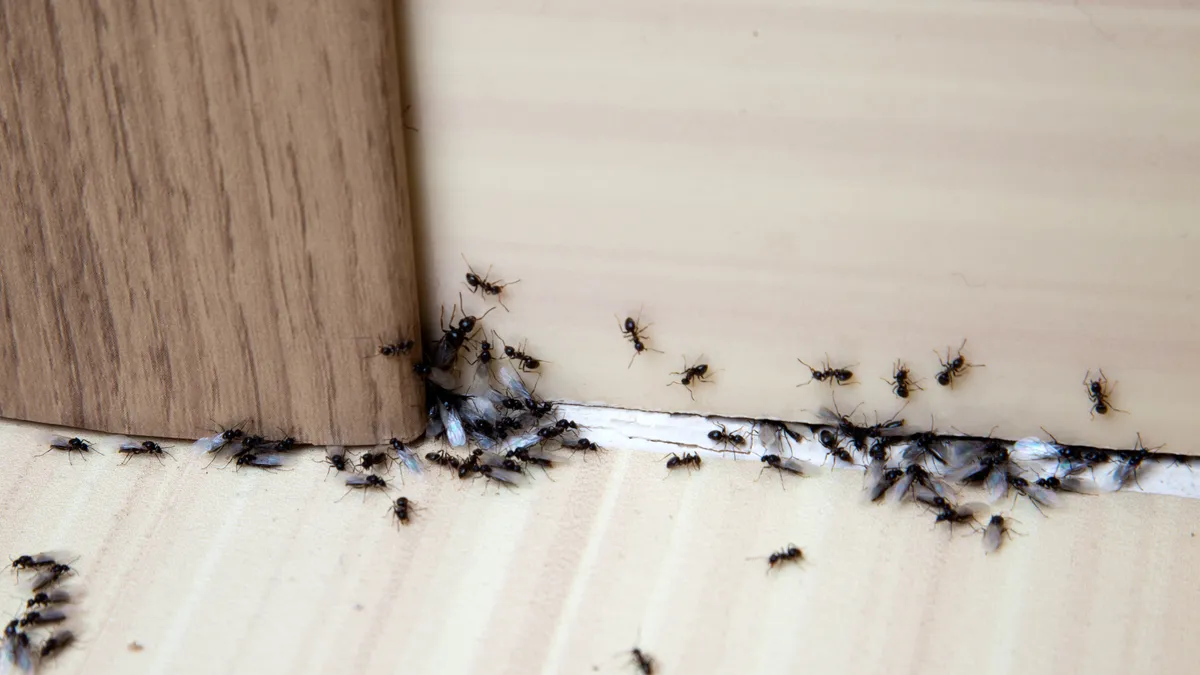
1. Seal gaps
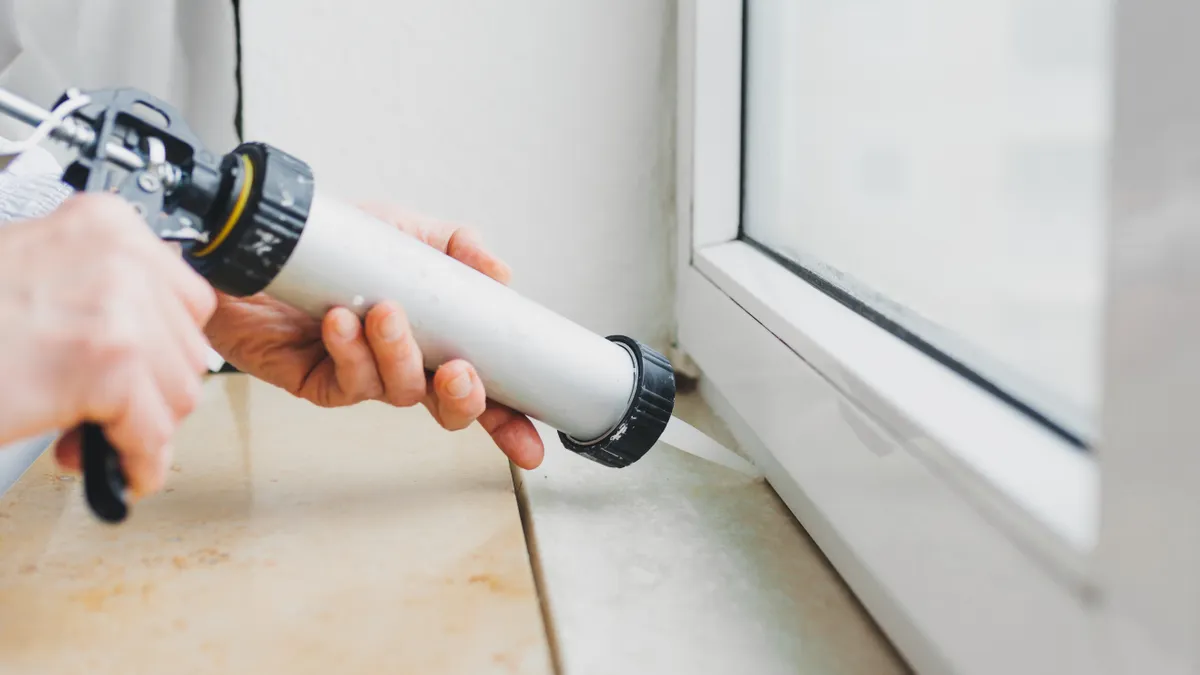
This one might sound obvious, but take it from me, I didn't even think I had any gaps until I started to notice a trail of ants finding their way into my home. I don't even know exactly where they were coming from, but once I sealed one gap, they found another one to come through instead. Fortunately, they weren't carpenter ants this time, but that doesn't mean they wouldn't be next.
Seal any gaps you find around your home with appropriate sealant like caulk. This can be used easily around doors and windows, wherever you notice any small holes. After all, carpenter ants may be larger than regular ants, but they're still small enough to find a way through tiny gaps.
2. Find and fix leaks

Carpenter ants love moist wood. It's softer and easier for the ants to chew through and they prefer their nests to be built within an environment that can keep at a level temperature and certain level of humidity. So, if you've got any leaks in your home, especially those around wood, you're simply creating the perfect home for carpenter ants to settle in.
And while they'll start off in your moist wood, they're more than happy to move into the dry wood surrounding it, if you let them in. So, fix any leaks and call in a professional if you've found any that you can't contain yourself.
3. Trim plants near your home
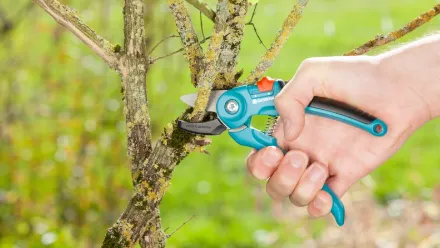
Carpenter ants are smart insects that are eager to find a way into your home. So, if there's any plants like branches or vines surrounding the entry points to your interior, chances are carpenter ants will try and use them as a bridge to gain access.
For this, if you trim down any trees and shrubs you have that are touching your home, you'll be able to eliminate the opportunity. This is a great preventative measure that won't take you long to do.

4. Replace any damaged wood
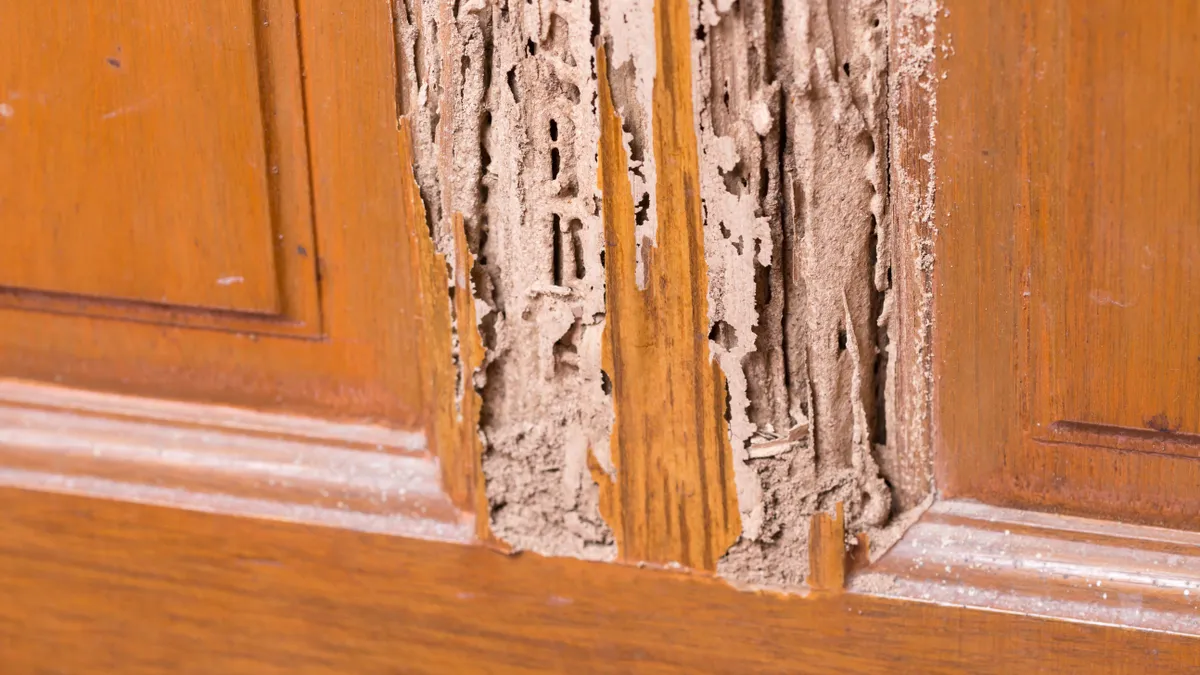
Much like the step where you should fix any leaks in and around your home, if you find any damaged or moist wood, it's a good time to replace it. That wood will lure in carpenter ants looking for a new place to call home and you don't want it to be your home that they choose.
As well as removing or replacing any wood, you might also want to think about reducing any excess wood you have around your home like dead tree stumps or piles of logs you may be storing near your home.
5. Use insecticides as barriers
It's most likely that you won't reach for the insecticides until you've already spotted the carpenter ants in and around your home, but if you place them down as a preventative measure, then you'll stop any getting in in the first place.
A simple dust, foam, or spray will work at lining any door or window cracks where you're concerned they may get in. These residual sprays will kill any carpenter ants as soon as they come into contact with it and will hopefully send out a message to other ants to not enter. You can also set up ant bait traps around your home if you want to eliminate any nests that might be nearby.

Follow Tom's Guide on Google News and add us as a preferred source to get our up-to-date news, analysis, and reviews in your feeds. Subscribe to Tom's Guide on YouTube and follow us on TikTok.
More from Tom's Guide