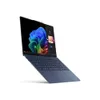
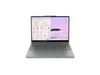
I just tried Lenovo’s first rollable ThinkPad — and it’s wonderfully weird
From 13 to 16 inches with a swipe
Here at Tom’s Guide our expert editors are committed to bringing you the best news, reviews and guides to help you stay informed and ahead of the curve!
You are now subscribed
Your newsletter sign-up was successful
Want to add more newsletters?
Daily (Mon-Sun)
Tom's Guide Daily
Sign up to get the latest updates on all of your favorite content! From cutting-edge tech news and the hottest streaming buzz to unbeatable deals on the best products and in-depth reviews, we’ve got you covered.
Weekly on Thursday
Tom's AI Guide
Be AI savvy with your weekly newsletter summing up all the biggest AI news you need to know. Plus, analysis from our AI editor and tips on how to use the latest AI tools!
Weekly on Friday
Tom's iGuide
Unlock the vast world of Apple news straight to your inbox. With coverage on everything from exciting product launches to essential software updates, this is your go-to source for the latest updates on all the best Apple content.
Weekly on Monday
Tom's Streaming Guide
Our weekly newsletter is expertly crafted to immerse you in the world of streaming. Stay updated on the latest releases and our top recommendations across your favorite streaming platforms.
Join the club
Get full access to premium articles, exclusive features and a growing list of member rewards.
The ThinkPad Rollable XD Concept seems like a laptop that is designed to merely turn heads at CES 2026 and then disappear into the ether.
But Lenovo’s vision with this laptop is to pave a path to a future where you can decide when ordering a ThinkPad if you want a rollable display or not.
We saw a similar concept in the ThinkBook Plus Gen 6 Rollable last year, but the ThinkPad Rollable XD is different in a few key ways.
Key changes to the formula
For starters, the display doesn’t roll into the base. When the screen grows from 13.3 inches to 16 inches vertically, It rolls up and over the top of the display.
There’s also an external touchscreen (world-facing display) that covers the top third of the lid, complete with interactive widgets for your AI assistant, sticky notes, weather and more.
When fully extended you can actually see the internals of the laptop, including the cables that make this magic all happen. This panel is tough, too, as it’s made of Gorilla Glass Victus 2. I also like that you can activate the rolling just by pressing your finger on the top edge of the display and then gliding it across.
Outlook
So what’s the point of the ThinkPad Rollable XD Concept? You can see a lot more of everything from documents to webpages with the screen fully unfurled, or you can run one app on top and another on the bottom. So you get 50% more real estate without carrying around a huge laptop.
ThinkPad Rollable XD Concept is impressive, but its is considerably heavier than a typical 13-inch laptop. And I don’t know how much I’d be willing to pay for the ability to grow my screen on demand. But overall I like the direction Lenovo is heading.

Follow Tom's Guide on Google News and add us as a preferred source to get our up-to-date news, analysis, and reviews in your feeds.
Get instant access to breaking news, the hottest reviews, great deals and helpful tips.
More from Tom's Guide
- I just tested Lenovo’s Legion Pro Rollable concept, and now my gaming laptop feels boring
- Intel Panther Lake vs Snapdragon X2 Elite vs AMD Gorgon Point — one chip is already pulling ahead in 2026's CPU war
- I tested MSI’s redesigned Prestige laptops and they’re dangerously close to being my default recommendation
Mark Spoonauer is the global editor in chief of Tom's Guide and has covered technology for over 20 years. In addition to overseeing the direction of Tom's Guide, Mark specializes in covering all things mobile, having reviewed dozens of smartphones and other gadgets. He has spoken at key industry events and appears regularly on TV to discuss the latest trends, including Cheddar, Fox Business and other outlets. Mark was previously editor in chief of Laptop Mag, and his work has appeared in Wired, Popular Science and Inc. Follow him on Twitter at @mspoonauer.
You must confirm your public display name before commenting
Please logout and then login again, you will then be prompted to enter your display name.