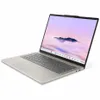
CES 2026 has been a good one for laptops. So far, it’s been a ton of sleeper hits and insane concepts. Well, Lenovo just added another one onto that first pile, as the Yoga Slim 7i Ultra Aura Edition is a pretty remarkable feat of engineering — packing impressive Intel Core Ultra Series 3 performance and power efficiency into a premium chassis that is less than 1kg.

Follow all of our CES 2026 live coverage for the biggest gadget news straight from Las Vegas. And be sure to follow Tom's Guide on TikTok for the coolest videos from the show.
And to do all of this without compromising the premium nature of its components, the sound ergonomics of a great-feeling keyboard, a drop-dead gorgeous OLED display and fantastic haptics on the touchpad are impressive in all the right ways.
And since you could spec this all the way up to the X9 388H chipset, you could be in with a gaming monster of a machine to boot.
A true MacBook Air competitor

Whenever anyone thinks about making a MacBook Air killer, they’re quick to think about flash. But ultimately, it’s the ones who dare to just think about the fundamentals that succeed. That’s exactly what Lenovo has done here, and it all starts with that slimline ultra-premium design.
Weighing in at 975g, the amount of lifting force I applied to pick it up almost made me launch this system into the stratosphere, and the feeling of that magnesium alloy shell in the hand feels both sleek to the touch and impressively durable too — hiding fingerprints really well.

Then you open it up and find that 14-inch 2.8k OLED panel running at a buttery smooth 120Hz. That makes content super pretty to look at from all the videos I watched on this thing, and surprisingly, the speakers in here pack plenty of volume and clarity to boot.
Looking further south, that keyboard has the classic Lenovo attention to detail for great tactility on every key press, the glass touchpad feels effortlessly smooth to glide over and all of this (plus three Thunderbolt ports) is achieved in a chassis under 14mm thin.
Beefing up the power

But let’s get into the real reason why I love this thing — and the reason why it felt like a no-brainer to give Intel Core Ultra Series 3 our top best of CES 2026 award. You see, normally with notebooks, you always deal with compromise. The core counts are reduced, and the GPU is cut down. It’s a good system for casual productivity, but not much else.
However, you could spec this up to an Intel Core Ultra X9 388H… Yes, you read that right. That chip with the monstrous built-in GPU, that is surely the future of integrated graphics in gaming.
Of course, I could talk about how this really speeds up content creator workloads (4K edits zip by in a flash), but the real headline of it is seeing your <1kg notebook play Battlefield 6 at nearly 200 FPS. That is crazy.
And you’re getting vastly improved power efficiency for your day-to-day workloads, too. What this all means when combined altogether is that you don’t need to worry about compromise. You don’t need to make a decision to get a gaming laptop that can play games well, but also sort of nail the work on the side.
You can now get an ultralight notebook that’s great for portable productivity, but just so happens to play games really well. You’ll be able to pick one up at some point between April and June of this year at prices starting from $1,499.

Follow Tom's Guide on Google News and add us as a preferred source to get our up-to-date news, analysis, and reviews in your feeds.
More from Tom's Guide
- Best of CES 2026 Awards: The top 27 new gadgets
- The Asus ROG Zephyrus Duo is so overkill and I love it — like if a Nintendo DS got freaky with an RTX 5090
- I just tested Lenovo’s Legion Pro Rollable concept, and now my gaming laptop feels boring