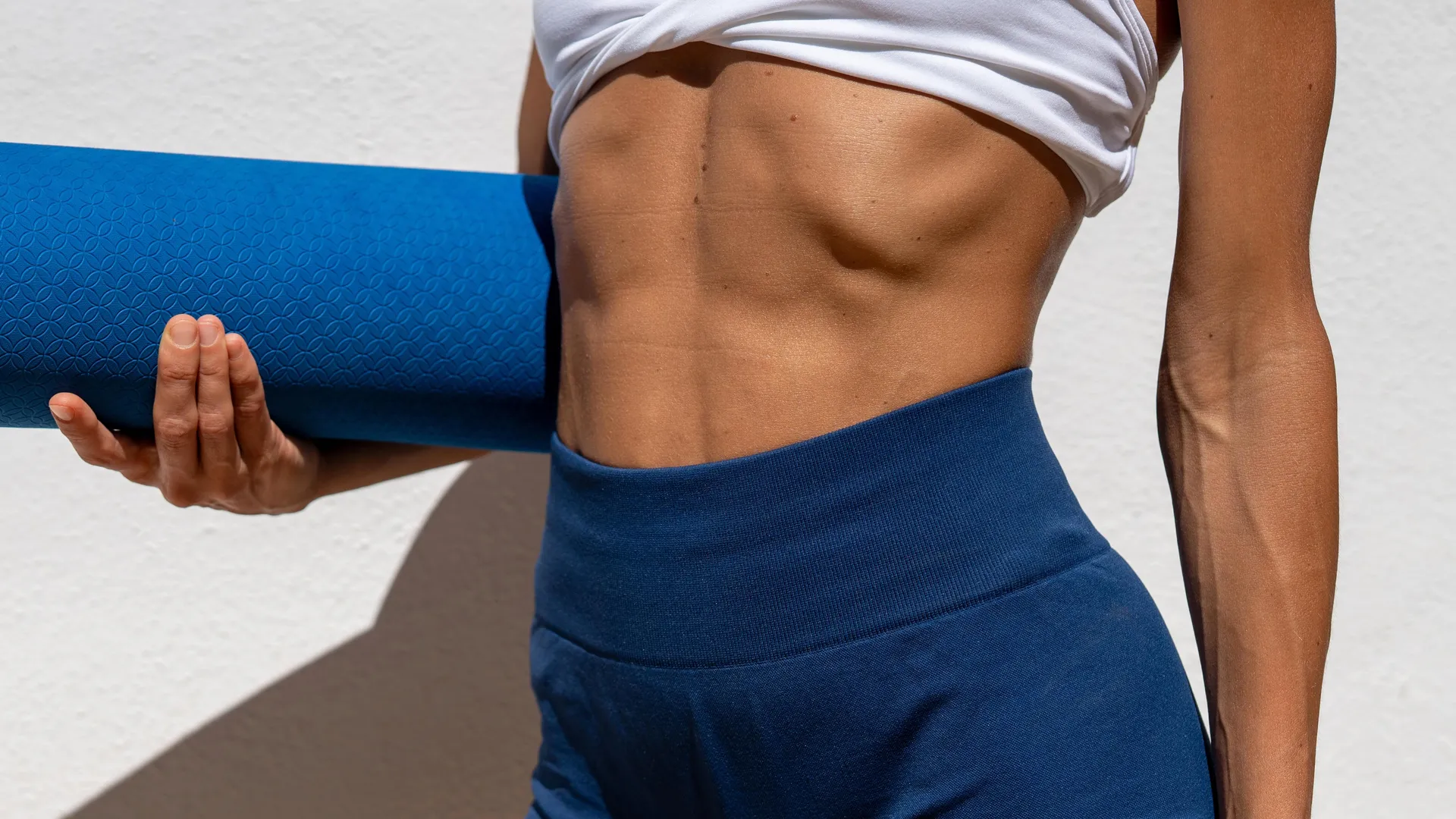
If dead bugs are already a part of your ab workouts, you’ll know how effective they are at blasting the muscles in your mid-section. Yet if you’re looking for a way to increase the intensity of the exercise, or a variation that really lets you target the upper abdominals and work on your anterior core stability, the wall press dead bug is what you’ve been waiting for.
“This dead bug variation engages your upper abs and builds core stability and endurance,” says Tom’s Guide’s resident personal trainer, Sam Hopes. When done correctly, you’ll also be training a neutral alignment of the spine, which is important for standard dead bugs and all your strength training workouts.
Read on to find out how to do the exercise, as well as form tips to remember. If you’re a complete beginner, pregnant or postpartum, or you’re returning to exercise following an injury or extended break, it’s always best to check in with a qualified professional before trying something new.
How to do a wall press dead bug
To do all wall press dead bug, you’ll want to position one of the best yoga mats in front of a wall, and lie down with your head touching the edge of a flat wall.
- Start by engaging your core — think about sucking your belly button into your spine.
- With this dead bug variation, instead of extending your arms towards the ceiling, bend at the elbow and push both hands into the wall.
- Bring your knees up to tabletop position, with a 90-degree bend in the knees, and keep them aligned with your hips.
- Slowly extend one leg towards the floor, keeping your foot flexed while pushing through the wall at the same time. Then bring it back to your starting position and repeat on the other side.
You should feel tension through the front of your stomach during this exercise. Remember to move slowly and with control; the slower you move, the harder your abdominal muscles have to work.

Form tips to remember
During this exercise, ensure that you maintain a good amount of pressure on the wall, without pushing too hard. If you’re pushing too hard, you’ll find your lower back will naturally peel off the mat a little — this isn’t something you want, and it puts you at risk of straining your back during the exercise. Drive your belly button down toward the ground.
As with standard dead bugs, another common mistake is rushing the exercise. As mentioned above, you’ll reap more rewards by really slowing down during the wall press dead bug.
Finally, keep breathing. Exhale as you extend your legs out and away from your body, and inhale as you bring them back to a tabletop position.
What are the benefits?
The benefits of the wall press dead bug are that it adds challenge to your core, forcing all of the abdominal muscles to engage. Your deep core and upper abs will be working much harder than they do in the standard bodyweight dead bug; that's due to the intra-abdominal pressure created by the wall press.
The bracing motion helps prepare your body for squats and deadlifts, where you’ll need to maintain a rigid torso, so this is a great exercise to add to your warm-up routine.
Next, your upper body should get more of a workout during this variation compared to standard dead bugs, as your lats will be engaged as you press. Finally, it’s much harder to do this variation with bad form, as the pushing into the wall forces you to knit your ribcage together and push your lower back into the floor — a common form error with the standard bodyweight dead bug.
What are you waiting for? Add this move to your next ab workout and get ready to feel it in your core.

Follow Tom's Guide on Google News and add us as a preferred source to get our up-to-date news, analysis, and reviews in your feeds.
More from Tom's Guide
- 'I have very tight hips, but doing this stretch every day has helped to improve my mobility'
- Who needs the gym? Longevity expert shares the only 6 exercises you need after 40, 50 and 60 to build strength
- I cancelled my gym membership two months ago — here’s how I’m staying just as fit at home