Bad weather can disrupt your day-to-day life, and that includes your sleep. The noise from a storm can not only wake you up through the night, but storms in general can also induce feelings of anxiety.

Our guide to the best sleep headphones on the market has a pair of noise-blocking for every one struggling to sleep through a storm
Change, the mental health charity, reports that sudden weather changes, including thunderstorms, can heighten symptoms for individuals with certain mental health conditions.
These weather changes can also cause hormone fluctuations leading to poor quality sleep.
Coupled with noise and light disruptions and pressure headaches, sleeping through a storm isn't easy for everyone.
But be it noise, lightning or your own brain keeping you awake through a storm, there are several things you can do, and products you can use, to better your chance of getting the rest you need. Let's take a look...
Key recommendations:
- Reduce external noise with a pair of sleep earbuds
- Soothe pressure headaches with an acupressure sleep mask
- Block out lightning flashes with blinds or a blackout eye mask
- Ease anxiety with a guided sleep meditation or breathing exercise
How to sleep during a storm
If you've found yourself victim to sleepless nights during bad weather lately, and you're looking to storm-proof your sleep, you've come to the right place.
Our sleep tech and mattress reviewers have put hundreds of sleep products to the test through all kinds of weather. Here are the ones they advise for sleeping through bad weather, including a noisy, unnerving storm.
How to drown out a noisy storm
Noise is the most likely atmospheric disruptor of sleep during a storm.
While many Americans (38% of the population, to be exact) can't sleep in silence, with some even favoring rainfall and thunder roars as their sleep sound of choice, others will want to completely block out that noise, or replace it with a more calming track.
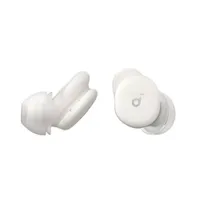
A pair of the best sleep headphones can save your nights, but it's important you find the right pair for you. Our testers recommend the Soundcore Sleep A30 as the top pick for most sleepers. They're complete with active noise cancellation and have good audio quality, so you can replace blustering winds with soothing tunes.

That said, if you want to keep a ear out for any damage to your property in extreme weather conditions, you're better off picking a pair with responsive noise cancelling. This way, if – god forbid – the storm damages your home, the noise cancellation will reduce or pause enough for you to hear it. You best overhead option, the Bose QuietComfort Headphones, have this feature.
And if you want a two-in-one headphones and sleep mask, consider the exceptional value Musicozy Sleep Headphones, which drown out light and noise, while providing a comforting weight on the face, so you can sleep soundly even when it's blowing a gale outside your window.
How to sleep when you have a pressure headache
Before a storm, air pressure falls, creating a pressure difference between your body and the outside. This can cause tissues to expand and stimulate pain-sensitive nerves, leading to headaches or migraines that make it harder to sleep.
Dr. Emad Estemalik at Cleveland Clinic explains: "During a storm, cold and warm air mix to create variations in barometric (or air) pressure. This also is how wind, rain and thunderstorms are created."
"When these pressure changes occur, most commonly during a storm, a headache can be triggered.”

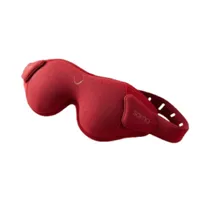
Besides the standard measures you can take to reduce head pain (less screen time, staying hydrated, use a hot and cold compress), there are sleep products to help. Our sleep tech testers recommend the heating and cooling Bob and Brad Eye Massager at Amazon and SOMO sleep mask.
The SOMO Sleep Mask uses acupressure to help you relax. It is fitted with a disk between the eyebrows, which gently applies pressure to the Yin Tang acupoint. According to Traditional Chinese Medicine, this relieves anxiety and reduces restlessness, helping you drift off when the weather is rough.
Use blackout blinds to banish lightning flashes
If you're anything like our Senior Sleep Writer, Frances Daniels, it's not the sound of thunder that makes you panic, but the flashes of lightning – and she's not alone. One in 10 Americans may suffer from a phobia of severe weather, including lightning, causing them to lose sleep, says a study from Ball State University.
In this case, secure blackout curtains or a comfortable light-blocking sleep mask will be a priority on your storm-proofing shopping list. The blackout sleep masks mentioned above, plus the Aura sleep mask with audio, are all great options.

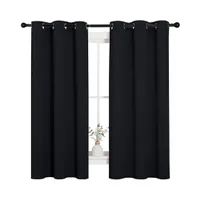
If you'd rather sleep mask-free, it's worth considering blackout blinds or curtains. As a temporary measure, you can get budget blackout curtains for as little as $9.99 at Amazon.
Made with triple weave blackout fabric, these promise to block out light, minimize noise and even help regulate room temperature, which is also important to sleeping optimally.
With blackout curtains fitted, you can turn your bedroom into a serene sleep haven even when the there's lightning flashing and a storm raging outside your window.
Sleep meditations and breathing exercises to help you sleep well during a storm or other bad weather
As mentioned above, anxiety and stress are common by products of storms and extreme weather conditions.
According to a 2020 review of 17 studies where participants had experienced an extreme weather event in the past year, 19.8% of them experienced symptoms of anxiety.

So, if it's an anxious mind rather than the external stimuli keeping you awake through a storm, consider using sleep mediations or breathing exercises to calm your racing mind before bed.
Our Sleep Features Editor, Lauren Jeffries, finds cognitive shuffling the best antidote for nighttime anxiety, whereas experts recommend the 4-7-8 breathing technique and box breathing, too. Essentially, it's about finding the right method that works for you (be aware, this may take some trial and error).
And if breathing methods simply don't work for you (they're not for everyone), you may benefit from a guided meditation app such as Calm's new app.