There is nothing quite as frustrating as pulling a freshly washed load of white laundry out of the machine only to realize it looks noticeably duller and more yellow than when it went in.
For years, my go-to for dingy towels, discolored shirts, or yellowed sheets was to simply pour a generous splash of liquid chlorine bleach straight into the dispenser. But no matter how much product I used, the results were lackluster.
It turns out my laundry routine itself was the root cause of the problem. Once I realized my mistake, I stopped dumping chemical cleaners into the wash blindly and adopted one simple step before running the cycle.
Here is why your laundry is turning yellow, and the exact fix that restored my whites to brilliant condition.
Why your whites turn yellow in the wash

Yellowing isn’t just surface dirt, it is usually the result of chemical damage or hidden, deeply trapped organic oils.
Standard chlorine bleach is extremely harsh. Overusing it, pouring it directly onto clothes, or using it in cold water strips away the factory-applied optical brighteners that make whites look bright. Once this coating is gone, the raw, off-yellow core of the natural fibers underneath is exposed.
At the same time, invisible sebum, sweat, and dead skin cells get trapped deep inside fabric weaves. If you wash in water that is too cold or skip a proper pre-soak, standard detergent fails to break down these waterproof oils.
Over time, the high heat from your dryer literally bakes these residual oils into the material, causing stubborn, yellow oxidation stains.
The single step to fix yellowed whites
If you want to master how to restore dingy whites without damaging fabrics, the secret is using a color-safe oxygen bleach soak to gently lift organic buildup and protein stains before the main washing cycle begins.
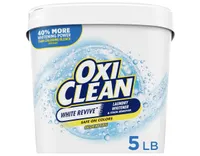
Soak your whites in powdered oxygen bleach

Never pour concentrated treatments straight onto dry clothing. Fill a large sink, tub, or laundry basin with hot or warm water (check your garment labels for temperature limits).
Add 1/2 cup of powdered oxygen bleach per gallon of water and mix it thoroughly until the powder is fully dissolved and integrated.
Place your yellowed white items into the solution, pressing them down so they are completely submerged. Allow them to soak for at least 1 to 6 hours, or even overnight for stubborn yellowing.
Unlike harsh chlorine bleach, oxygen bleach is gentle on fabric fibers and will not cause reverse yellowing or ruin spandex blends.
Run a standard wash cycle with an extra rinse
Transfer the soaked items directly into your washing machine. Then add your regular detergent and set the machine to a warm water cycle.
To help strip away remaining soap residue and mineral buildup, pour 1/2 cup of distilled white vinegar into your washer's designated fabric softener dispenser.
Be sure to select the Extra Rinse setting to ensure every trace of organic debris is thoroughly washed away before drying.
Are you team oxygen bleach, or do you have a secret household trick for keeping whites brilliant without harsh chemicals? I want to know! Share your favorite laundry hacks in the comments.

Follow Tom's Guide on Google News and add us as a preferred source to get our up-to-date news, analysis, and reviews in your feeds. Make sure to click the Follow button!
More from Tom's Guide