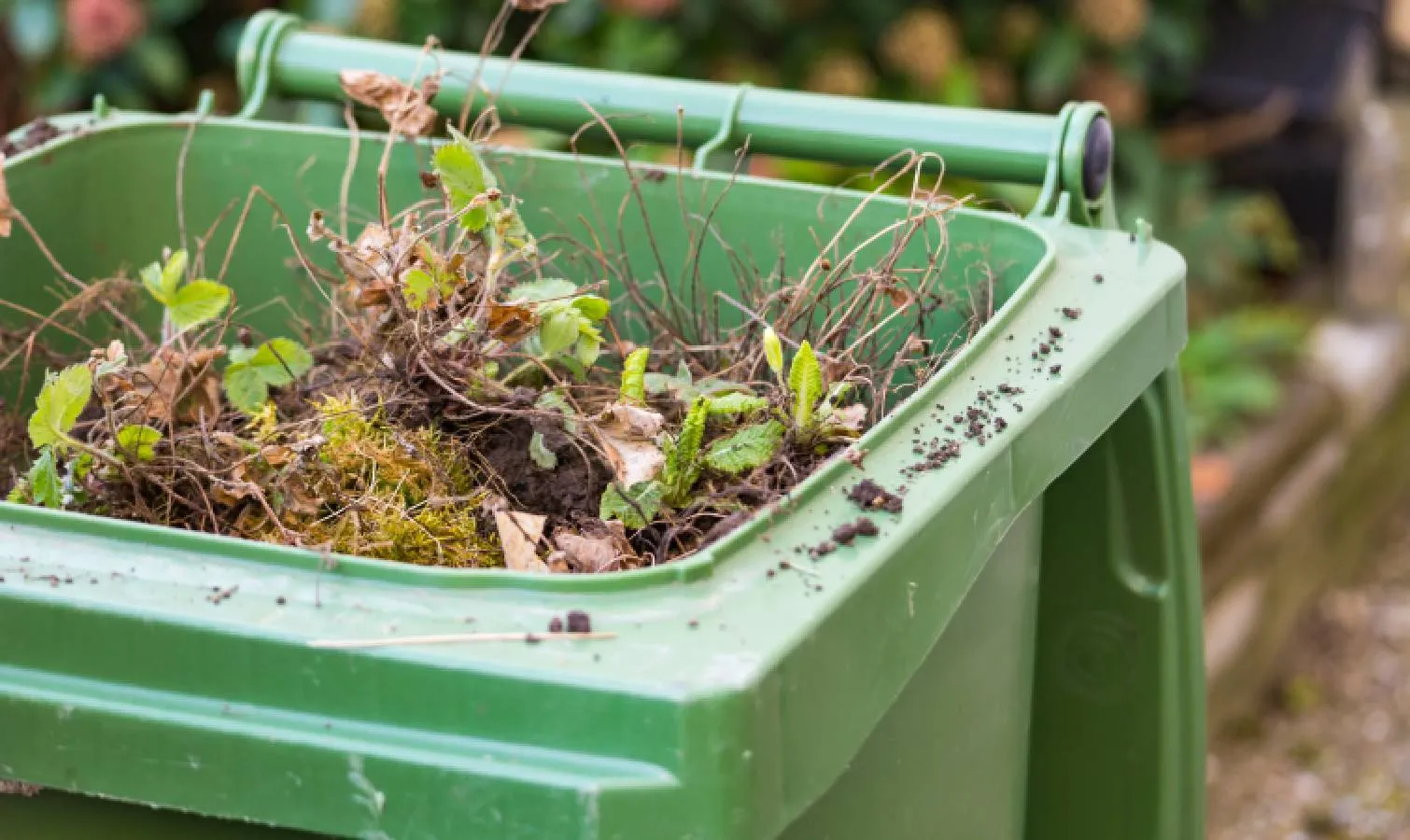
Not everyone gets a yard waste bin from their local municipality. Some areas don't offer the service at all, while others charge annual fees that make it unaffordable. Paying just for biweekly pickup of grass clippings and prunings feels excessive when budgets are tight.
Even if your city offers yard waste collection, you might not qualify. Apartments without gardens, properties with limited storage space, or homes on streets with difficult access often get excluded from the service entirely.
Yard waste doesn't belong in regular trash bins, and it's wasteful to send organic material to landfill when better options exist. Here are five practical ways to dispose of waste when you don't have a bin.
1. Mulch and leave clippings on the lawn
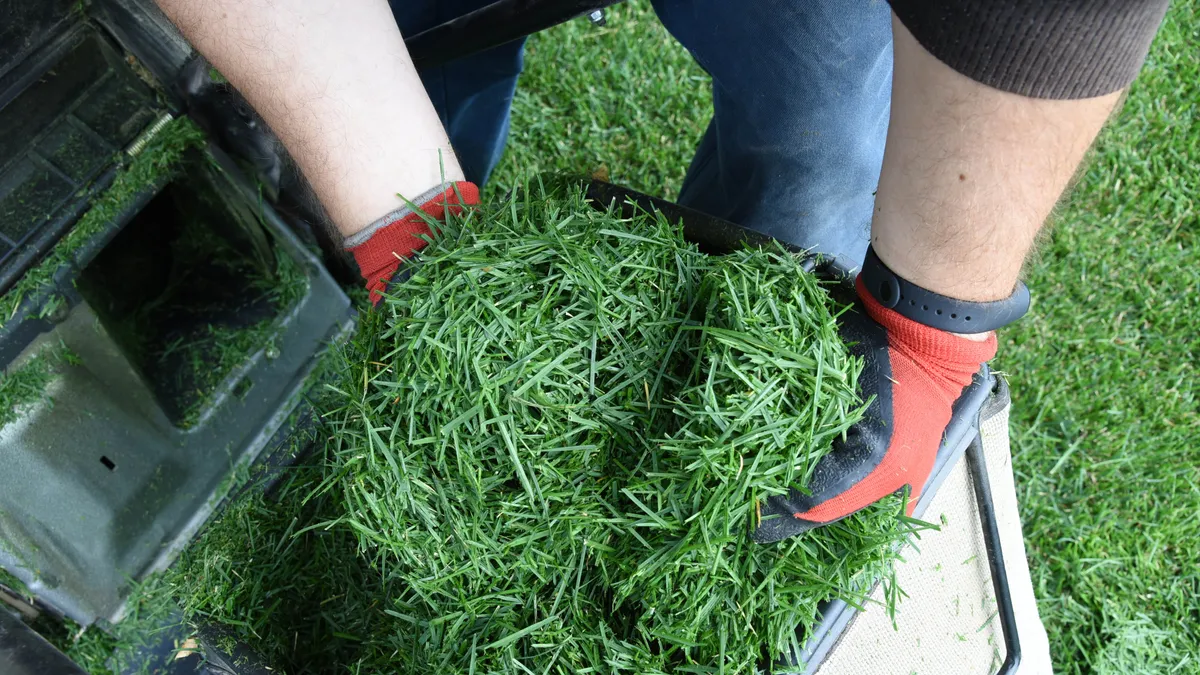
Not all yard waste needs disposal. Grass clippings can stay on your lawn after mowing, where they decompose quickly and return nutrients to the soil. This "grasscycling" provides up to 25% of your lawn's annual fertilizer needs for free.
Only bag clippings if grass is very overgrown, soaking wet and clumping, or diseased. Otherwise, let them decompose naturally.
For garden beds, use chopped leaves, small prunings, and plant trimmings as mulch around shrubs and perennials. Spread a 2-3 inch layer around plants (keeping it away from stems) to suppress weeds, retain moisture, and add organic matter as it breaks down.
This approach reduces waste volume significantly before you even need disposal solutions. Less waste to deal with means fewer trips to recycling centers or smaller compost piles to manage.
2. Start composting at home
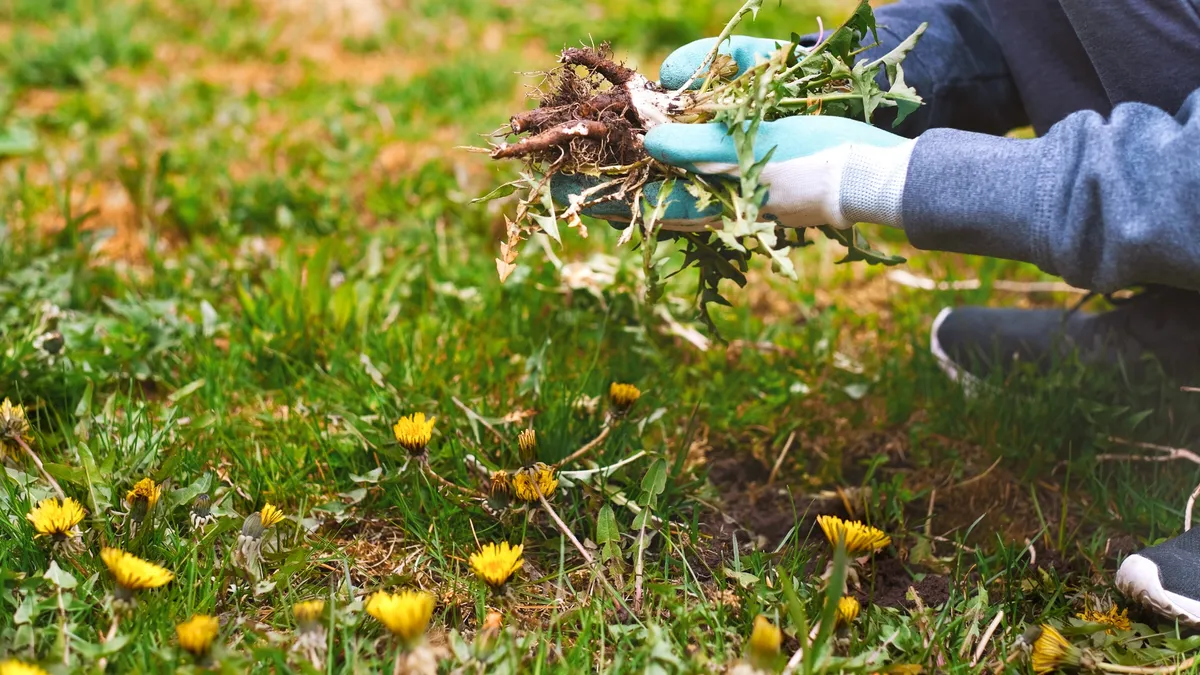
Composting turns yard waste into nutrient-rich soil amendment you can use in your garden for free. Grass clippings, leaves, small prunings, dead flowers, and soft plant material all break down into dark, crumbly compost within 6-12 months.
If you don't have a compost bin, you can build a simple heap in a corner of your yard. Compost bins range from basic plastic models to larger wooden structures. Even a designated pile without any container works if you have space.
Add the waste in layers, alternating green material (grass clippings, fresh weeds) with brown material (dry leaves, small twigs, shredded paper). Keep the pile moist but not waterlogged, and turn it occasionally to speed decomposition.
Avoid composting weeds with seed heads, diseased plants, or thick woody branches, as these either spread problems or take years to break down. Chop larger materials into smaller pieces before adding them to help them decompose faster.
3. Join a community composting scheme
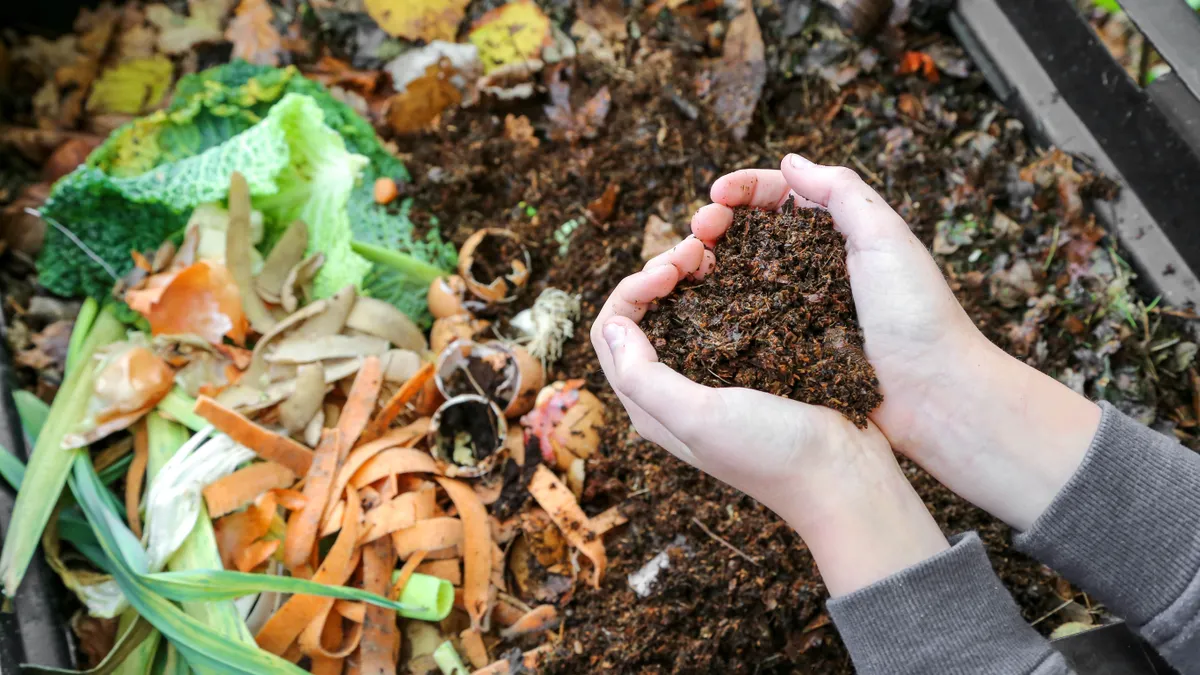
Community composting schemes let you drop off yard waste at a shared composting site, often located in parks, community gardens, or neighborhood green spaces. Volunteers manage the site, and participants can usually take finished compost for their own gardens.
These schemes work particularly well if you lack space for home composting. Apartments with tiny balconies or yards too small for compost bins benefit from shared facilities that handle larger volumes.
Find local schemes through your city's website, environmental groups, or neighborhood associations. Many municipalities maintain lists of community composting locations and contact information.
Community composting connects you with local gardeners while solving waste disposal problems. You'll likely pick up tips from other participants too, and gain access to free finished compost for your own use.
4. Take garden waste to your local recycling center
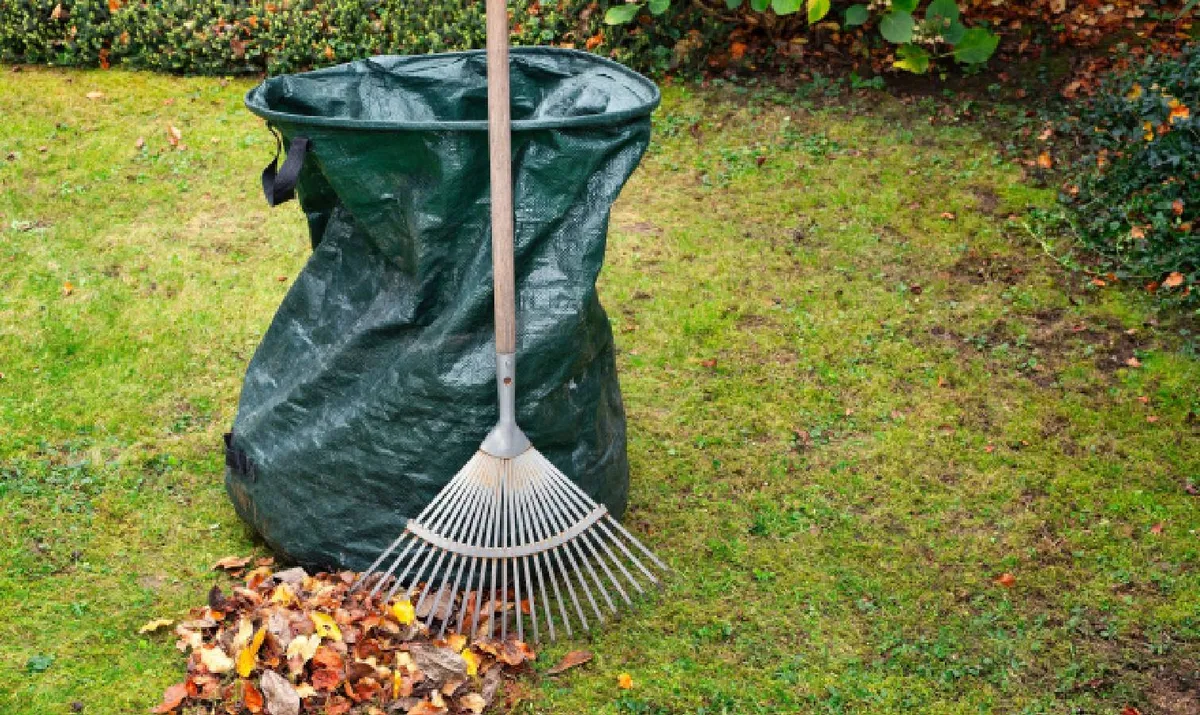
Although this varies by location, some household waste recycling centers accept yard waste for free, even if your municipality doesn't offer curbside collection. You'll need to transport it yourself, but there's typically no charge for dropping off green waste.
Check your recycling center's rules before visiting — some require booking time slots online, especially during busy spring and summer months. Most centers accept grass clippings, hedge trimmings, leaves, flowers, and small branches.
Use heavy-duty yard waste sacks or reusable bags to transport material. Loose waste blowing around your car or creating a mess makes the trip frustrating. Waste bags with handles make loading and unloading easier.
This option works well for seasonal clean-ups when you have more waste than usual, like spring pruning, autumn leaf clearing, or major overhauls that create more material than composting can handle.
5. Create a brush pile for wildlife habitat
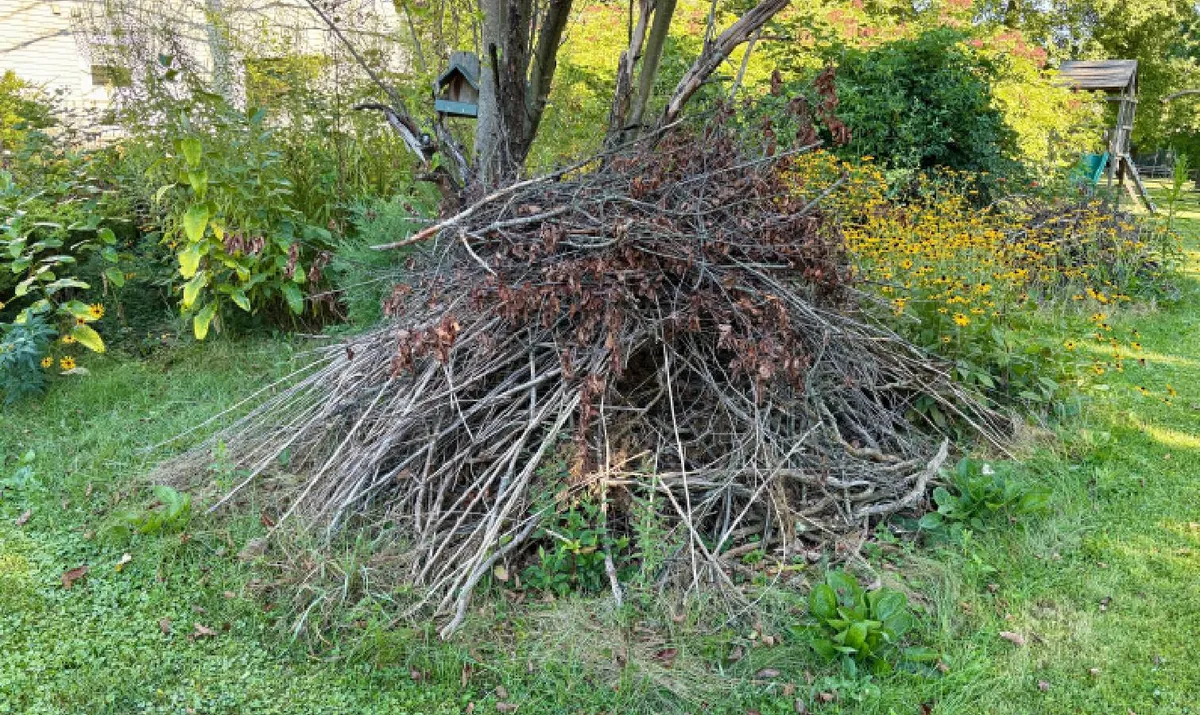
Woody yard waste like branches, twigs, and prunings can become permanent wildlife habitat instead of requiring disposal. Brush piles provide shelter for birds, beneficial insects, and pollinators while decomposing slowly over time.
Choose a back corner of your yard away from structures. Start with larger branches as a base, then add medium branches crisscrossed to create air gaps. Pile smaller twigs and prunings on top, keeping it loose rather than compact, as animals need the gaps for shelter.
Add new yard waste as you generate it. The bottom layers decompose gradually while fresh material goes on top. This attracts beneficial wildlife that help your garden: birds that eat pest insects, ground beetles, and native bees.
It's completely free, requires zero maintenance, and turns waste into an ecological benefit for your property.

Follow Tom's Guide on Google News and add us as a preferred source to get our up-to-date news, analysis, and reviews in your feeds. Make sure to click the Follow button!
More from Tom's Guide