




It can sometimes feel like cast iron is too fussy to be worth the hassle. In my years of cooking with a cast iron skillet, I've had a number of brushes with common blights such as staining and dullness. But what happens if you take your cast iron out of the cupboard to find, to your horror, that it's gone rusty?
I asked Laura Ascher, Recipe Developer at Cast Iron Skillet Cooking, for the signs that your cast iron could go rusty, and what to do if you do spot the dreaded red discoloration on the inside or outside of your skillet.
This advice also works a treat if you've spotted a skillet at your local thrift store and want to restore it from home, which is one of the cheapest ways to pick up a new daily driver for your kitchen, and requires very little effort!
How to prevent your cast iron going rusty

After cleaning, you need to dry the pan thoroughly with a towel; don't let it sit and air dry
Laura Ascher, Recipe Developer at Cast Iron Skillet Cooking
"There are several things we must do to prevent our cast iron cookware from getting rusty," says Ascher.
"We need to make sure it stays well-seasoned and completely dry after every use. A good seasoning layer acts like a natural barrier, keeping moisture from reaching the metal. After cleaning, you need to dry the pan thoroughly with a towel; don't let it sit and air dry."
I've fallen foul of this before, doing all the hard work of cleaning my skillet by hand but then leaving it out to dry. Little did I know that was about the worst thing I could do for my precious pan! Laura recommends using your stove to assist in the drying process.
"Place it on a warm burner for a minute or two to evaporate any remaining water," advises Ascher.
This is also a prime opportunity to top up the seasoning on your skillet, which is something I've become vigilant in doing after every use, and can be crucial for building that initial coating that will make your cast iron more resilient to rust and other damage.
"Once it's dry, I like to add just a drop of oil; something like avocado, coconut or flaxseed oil works great, and wipe it around the surface with a paper towel until it looks smooth and lightly glossy," recommends Ascher. "This thin layer of oil helps preserve the seasoning and prevents rust from forming."
Signs your cast iron could be prone to rust

There are usually telltale signs before your skillet starts to rust
Rust doesn't just appear out of nowhere, and there are actually common indicators worth looking out for that can indicate a weakness in your seasoning.
"There are usually telltale signs before your skillet starts to rust," says Ascher. "For example, the base of the skillet might begin to look dull, or you might notice a slight metallic taste in your food. This happens because the seasoning on your cast iron is starting to wear off. You may also see small orange spots appear after cleaning."
So, if you're seeing a dull or discolored finish to your skillet after use, that could be a crucial sign that your seasoning needs a top-up. Check out our guide on how to season a cast iron skillet for next steps.
What to do if your skillet goes rusty

So, you've found some dreaded red spots on your beloved skillet. What now?
You might be tempted to throw out the pan altogether, but according to Ascher, this isn't necessary.
"The good news is that you don't have to fully reseason your cast iron to fix it. Start by giving your skillet a good scrub, even if it looks clean. You want to remove any early rust spots. You can use chainmail or a stiff brush for this."
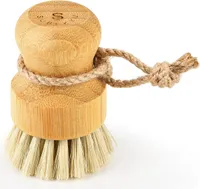
"Next, wipe it dry with a towel and place it on a warm burner to make sure all moisture evaporates. Once it's completely dry, rub a thin coat of oil over the surface, just like you would after regular cleaning, but this time, place it in the oven for a short heat cycle to rebuild that protective seasoning layer."
However, while this will ward off the immediate threat, you should still heed the warning that your skillet is sending you when rust starts to pop up.
"While this method can keep rust from spreading, it's usually a sign that your skillet is due for a full reseasoning soon," says Ascher.
So take extra care as you continue to use your skillet, and plan to do a full reseason when you get the time. This is the best way to ensure that the rust doesn't return.

Follow Tom's Guide on Google News and add us as a preferred source to get our up-to-date news, analysis, and reviews in your feeds.
More from Tom's Guide

