




5 clever cooking hacks you never knew that will slash your energy bills
As the cost of living continues to climb with no relief in sight, many households are seeking substantial ways to save energy at home to reduce their bills and make substantial savings.
Beyond the obvious habits of switching off lights when leaving a room or fully powering down appliances instead of using standby mode, you might not realize that certain everyday cooking and kitchen habits are actually driving up your energy bills.
In fact, by making these simple changes in your kitchen, you could be saving serious cash. So before you start to cook up a storm, check out these clever kitchen and cooking hacks you can do that will slash your energy bills.
1. Put a lid on it
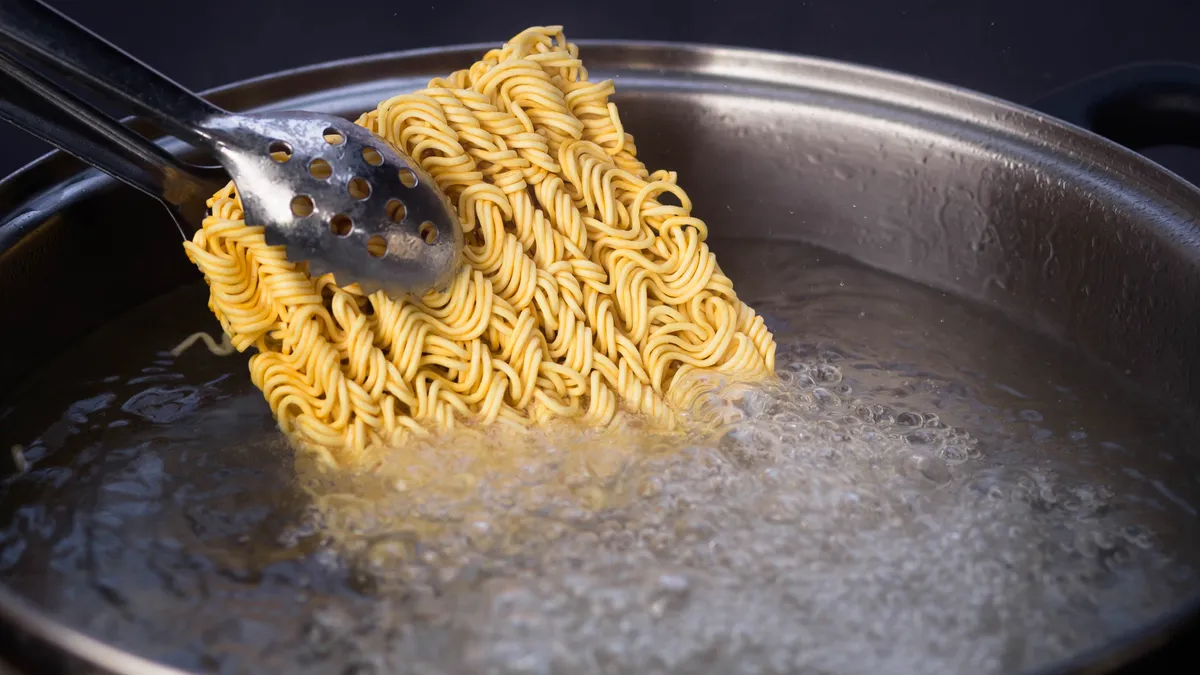
Whether you’re boiling water for pasta dishes or steaming veggies, we often leave the lid off our pots and pans. However, experts suggest that we need to be doing the opposite if we want to cut down on our energy bills.
Keeping a lid on retains heat inside more effectively, which brings water to a boil faster and uses less energy. An added benefit is that this habit minimizes the release of steam, helping to cut down the risk of condensation and potential mold issues in your kitchen. Best of all, this will help your food cook quicker — so it’s a win-win.
2. Don’t keep opening the oven door to check it

Another costly habit we have is repeatedly opening the oven door to check our food. I've been guilty of this too — I often find myself opening the oven door repeatedly to check on something, like a roasting chicken, even when there's a perfectly good glass door to look through!
Essentially, every time you open the door, the oven can lose up to 77.0 °F in heat, which uses more energy to get back to the required cooking temperature. As tempting as it might be to check on how your food is shaping up, only save those peeks for closer to the end of cooking time.
Far better to pick up one of the best smart meat thermometers, so you can keep tabs on your food from your phone — and it's far more accurate than just looking at the outside of your chicken!
What’s more, it’s recommended to turn your oven off 10 minutes before the food finishes cooking. This is because the oven still retains the same temperature, so the food will still cook without it using more energy.
3. Don’t use a bigger pan than you need
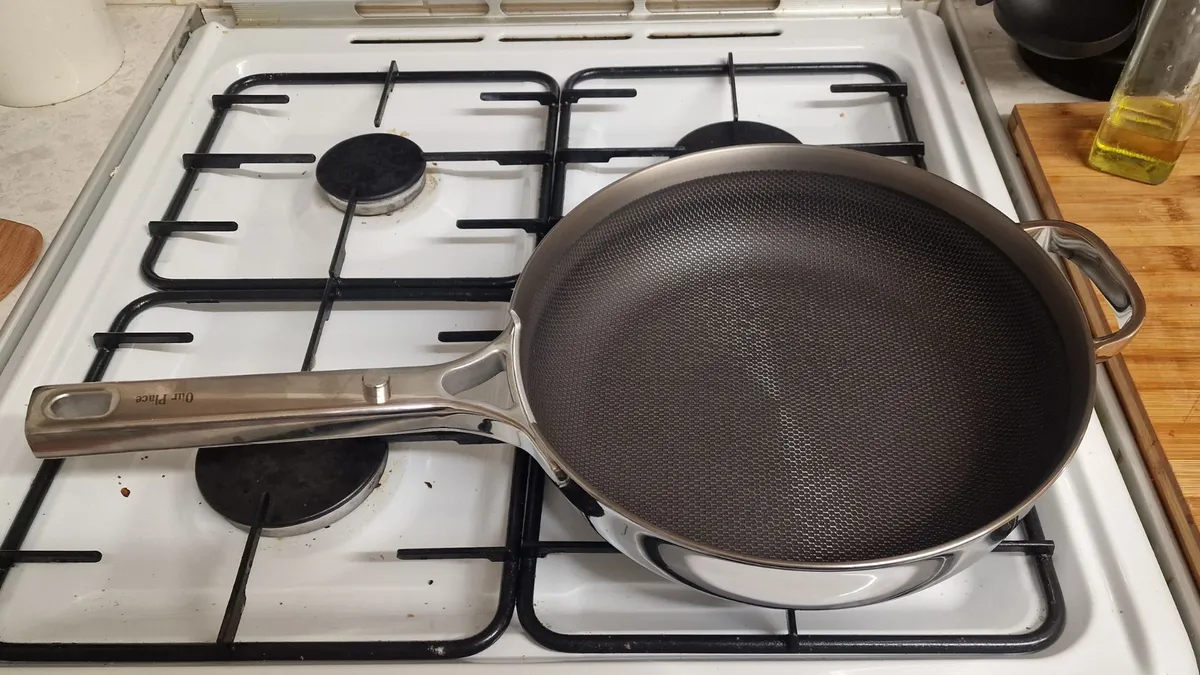
While it might be convenient to grab the first pan at hand, never use a bigger pan than you need. This is because using a pan larger than necessary wastes energy and heats the empty surface as well as the food.
In addition, always match the size of your pan to the correct-sized hob so you don’t waste energy trying to heat it. This one simple change can help to reduce your bills and save you money.
4. Upgrade your cookware
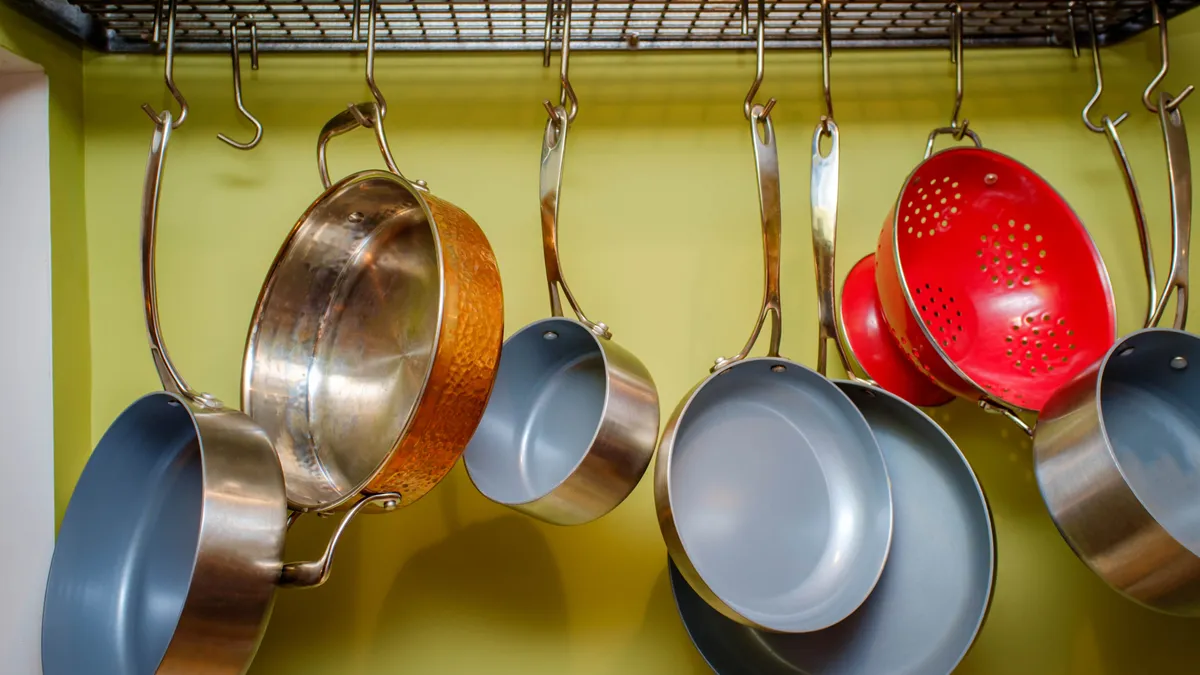
Additionally, consider upgrading your pots and pans to more energy-efficient ones that heat up quickly. Generally, cookware with thick bases, such as ceramic, cast-iron, or glass baking dishes, typically holds heat better than thinner metal pans. As a result, this will use less energy and save you on your bills.
And if you really do want to save money, a slow cooker is highly recommended as the most energy-efficient kitchen appliance available. In comparison to a standard oven (up to 5,000 watts), a slow cooker typically uses between 75 and 250 watts — reducing your energy spend. Slow cookers are always great for batch cooking, which will also save you from the task of daily cooking.
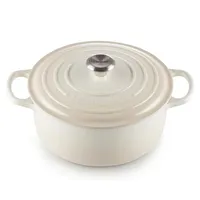
Check out why our Homes writer ditched her non-stick pans for cast iron cookware.
5. Batch cook instead
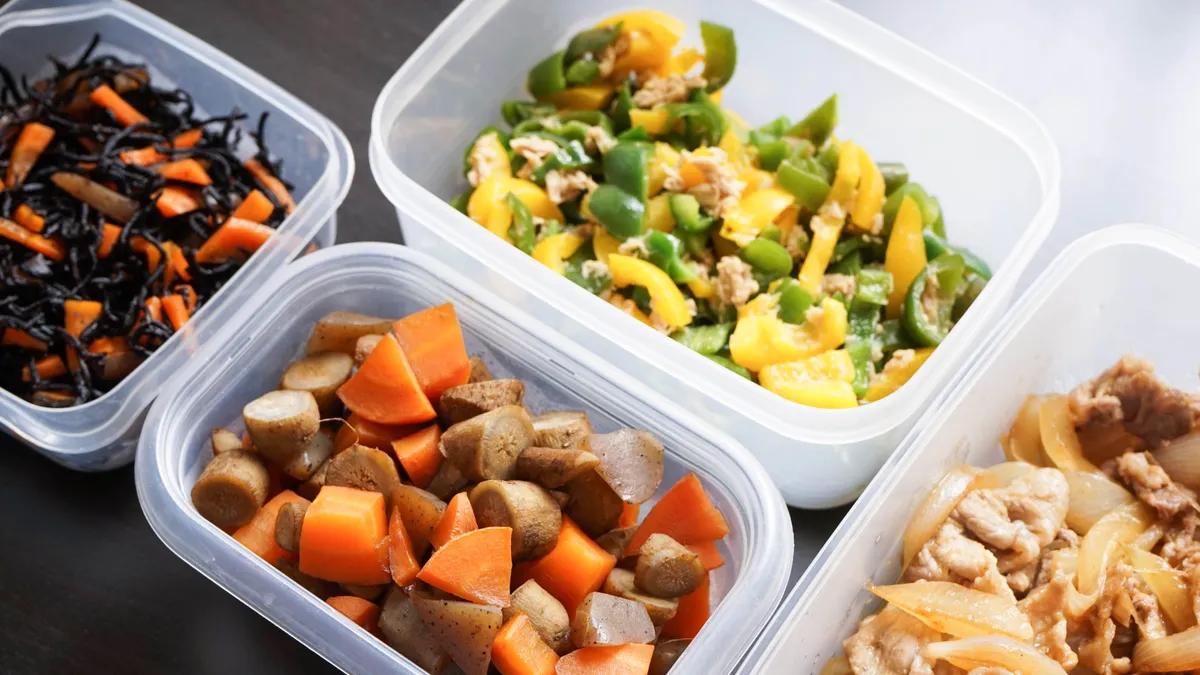
Following on from this, batch cooking is another great way to cut down on costs. This is especially true if you’re cooking up large quantities for the week, or if you simply want to freeze your leftovers for another day.
I love how batch cooking is a convenient time-saver, especially for tasty casseroles, which also helps reduce your energy consumption.

Follow Tom's Guide on Google News and add us as a preferred source to get our up-to-date news, analysis, and reviews in your feeds.
More from Tom's Guide

