Dark rooms feel smaller and less inviting than bright ones. Most people assume fixing this requires installing new windows or adding skylights: expensive, disruptive renovations. But how light moves through your home depends heavily on what it encounters after entering through existing windows.
Simple changes can double the natural light in a room. These adjustments cost little but make spaces noticeably brighter. As a bonus, the less artificial lighting you need during the day, the lower your electricity bills over time.
Here are five straightforward ways to maximize natural light in your home.
1. Add sheer white curtains

Heavy, dark curtains block natural light even when open. The fabric absorbs light at the window, preventing it from entering the room fully. Sheer white curtains allow maximum light transmission while still providing privacy during the day.
White sheer fabrics filter incoming sunlight softly without significantly reducing brightness. Light passes through the fabric and spreads throughout the room with a gentle, diffused quality. Choose lightweight materials like voile, linen, or cotton blends that are translucent enough to allow light while obscuring the view into your home from outside.
Install sheers on a separate rod from heavier drapes if you need both light-filtering during the day and blackout capabilities at night.
2. Position mirrors to reflect light deeper

Mirrors bounce incoming sunlight from windows deeper into rooms, illuminating corners that wouldn't otherwise receive direct light. Place mirrors opposite or adjacent to windows where they catch and reflect incoming light.
Large mirrors work better than small ones. A full-length or oversized wall mirror captures more sunlight and reflects it across a wider area. Position mirrors on walls perpendicular to windows to spread light sideways through the room.
Avoid placing mirrors where they create uncomfortable glare or bright spots. The goal is diffused light throughout the room, not concentrated reflections.
3. Use light colors and reflective surfaces
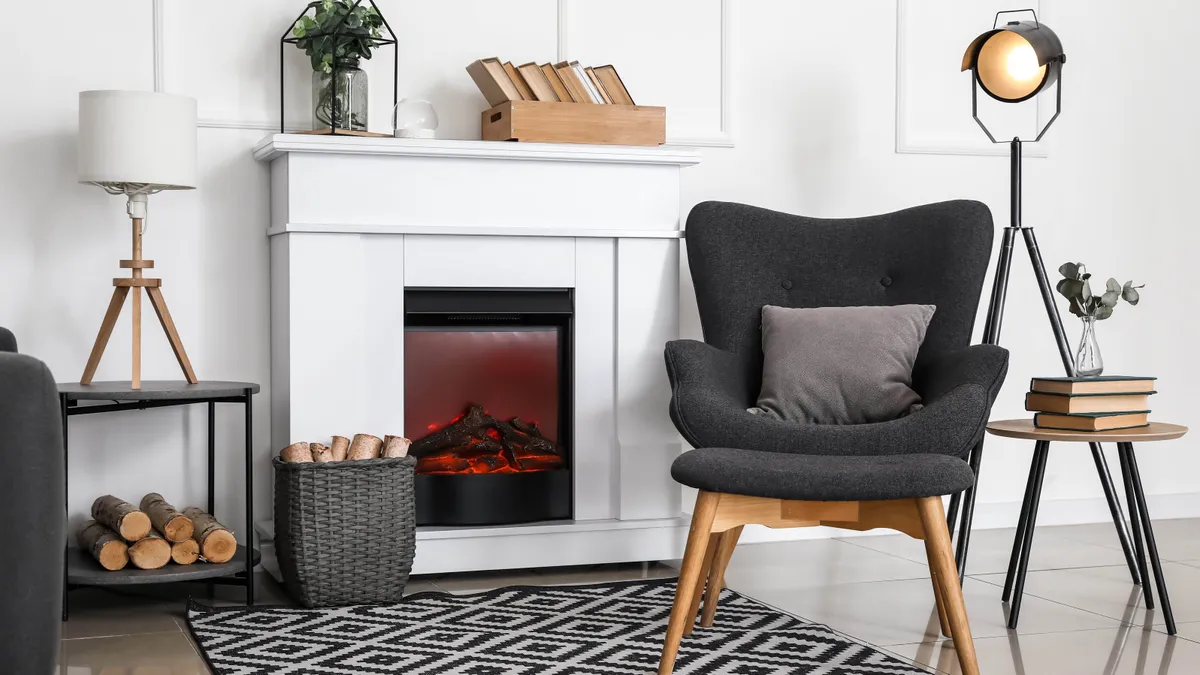
Dark colors absorb light. Light colors reflect it. Rooms painted in pale colors feel significantly brighter than identically sized dark-painted rooms with the same windows.
Paint walls, ceilings, and trim in whites, creams, soft grays, or pale pastels. Ceilings especially benefit from white paint — they cover a large surface area that either absorbs or reflects light.
Glossy and satin paint finishes reflect more light than matte. Flat paint absorbs light and makes walls darker. Satin or semi-gloss finishes on walls and trim bounce light more effectively.
Choose reflective materials for furniture and decor. Glass tabletops, metallic finishes, glossy ceramics, and polished wood surfaces all reflect light. Even small metallic accessories such as picture frames, vases, and lamp bases contribute to overall brightness.
4. Keep windows clear and clean

Windows covered in dirt or grime block significant amounts of natural light. Dirty windows can reduce incoming light by 20-40%. Clean both sides every few months using glass cleaner or vinegar-water solution.
Replace heavy, dark curtains with sheer, light-colored fabrics that filter light while maintaining privacy. Or use blinds that can be fully raised during the day to allow maximum light entry.
Declutter windowsills. Items piled on sills block light and cast shadows. Keep sills clear or use minimal decor that doesn't obstruct light flow.
Trim outdoor plants that block windows. Overgrown bushes or trees outside reduce incoming light significantly. Regular trimming ensures windows receive maximum sunlight.
5. Choose low-profile furniture
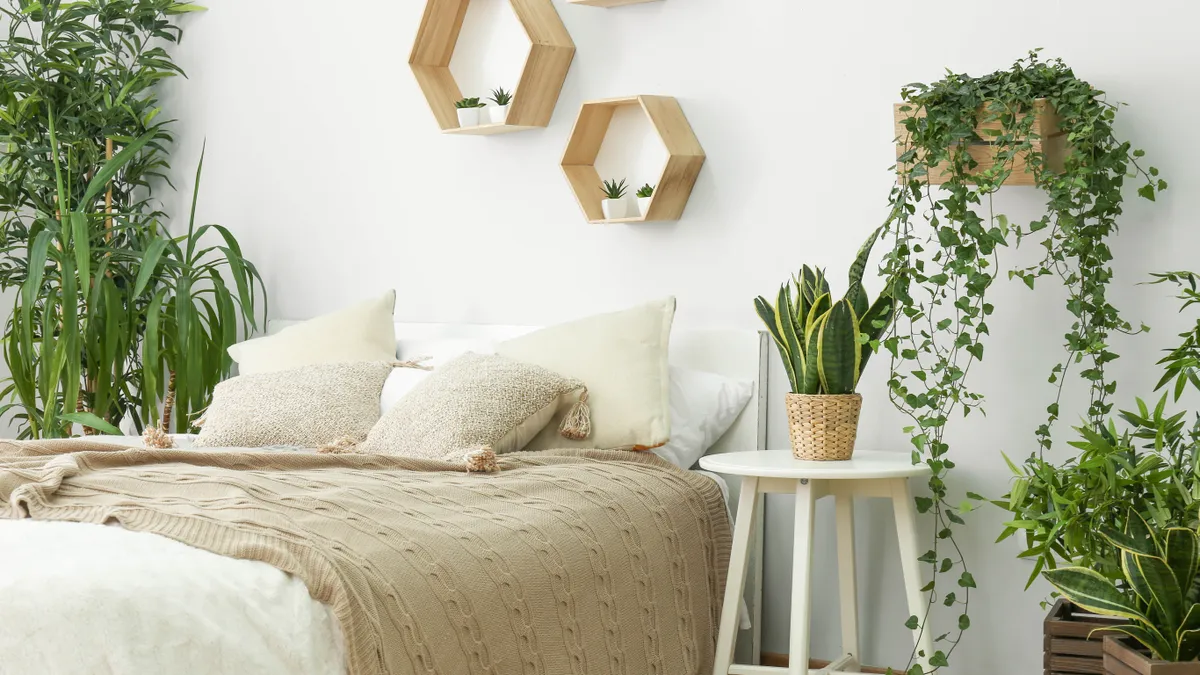
Tall, bulky furniture blocks light and creates shadows. Low-profile furniture allows light to flow over and around it, keeping rooms bright.
Choose sofas, chairs, and beds with low backs and bases. Low-slung seating allows light from windows to travel across rooms unobstructed. A high-backed sofa near a window blocks light from reaching the rest of the room.
Furniture with legs rather than solid bases helps. Pieces on legs create visual space underneath where light passes. Solid furniture extending to the floor blocks light at floor level.
Avoid placing tall furniture directly in front of windows. Bookcases and cabinets should go on walls perpendicular to windows, not blocking them.

Follow Tom's Guide on Google News and add us as a preferred source to get our up-to-date news, analysis, and reviews in your feeds. Make sure to click the Follow button!
More from Tom's Guide