For nearly two decades, the iPhone experience has revolved around apps. The advertisements declaring "there's an app for that" are still a core memory for me as a new iPhone user years ago.
According to a new report from The Information though, Apple is quietly exploring ways to bring AI agents into the App Store, and this could signal the biggest shift to the iPhone ecosystem since the App Store launched back in 2008.
At first glance, even I did a double take at what seems like a very technical idea of “AI agents” coming to the App Store. But the idea is simple that Apple might be preparing for a future where rather than opening apps, AI does it for you.
AGI inside the app store
According to the report, Apple has discussed how autonomous AI software could operate inside its ecosystem, potentially allowing AI-powered services to complete tasks across apps and services on behalf of users.
That changes everything about how the iPhone currently works. Today, our apps are destinations. You physically need to tap an icon, open an interface and complete a task manually.
But the new idea is one of AI agents theoretically doing the work for you such as coordinating your flights, hotel, dinner reservations, calendar and transportation automatically behind the scenes. The user might never even see most of the apps involved.
Offering AI agents creates a massive challenge for Apple because the App Store was built around human interaction. Every part of the ecosystem from app review to permissions to subscriptions assumes a person is actively using software in predictable ways.
What makes AI agents different
AGI means the AI can make decisions, navigate multiple apps and potentially take actions on your behalf. Of course, that raises enormous questions about privacy, security, payments and control; all areas Apple has historically treated as core pillars of the iPhone experience.
Apple appears to be positioning itself to control the distribution layer of AI on mobile devices, which is a strategy that feels very familiar to Apple.
Historically, the company has rarely been first to a category. Instead, Apple tends to dominate by controlling the platform, simplifying the experience and becoming the trusted middleman between developers and consumers.
The App Store itself became one of the most powerful marketplaces in tech history because Apple controlled distribution, payments, discovery and device integration. However, AI agents threaten all of those systems at once.
If autonomous AI becomes the primary way people interact with software, then the company controlling that ecosystem could end up controlling the next era of computing.
A move beyond Siri
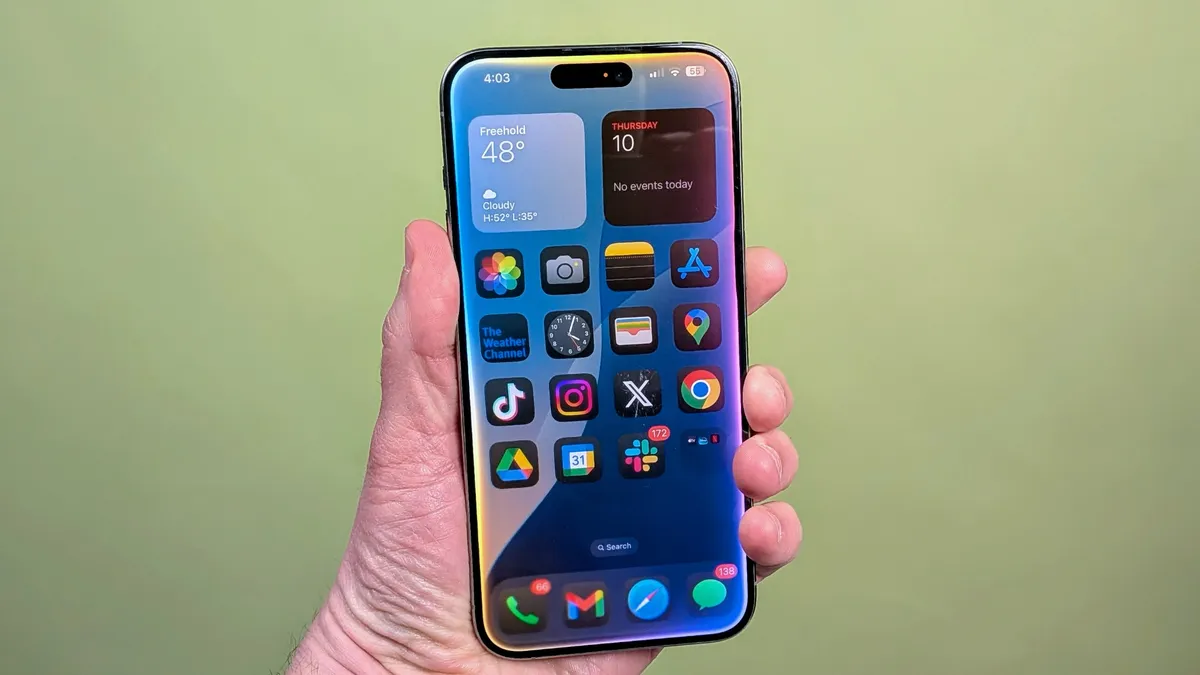
Up until now, Apple’s AI strategy looked cautious compared to rivals like OpenAI, Google and Anthropic. But Apple has also spent years building one thing competitors still struggle with, which is deep hardware and operating system integration. So, in an AI-agent future, integration may matter more than chatbot intelligence.
An AI system that can securely access your apps, calendar, messages, subscriptions, payment methods and device settings is arguably more useful than a standalone chatbot window.
This potential move points toward a future where the iPhone evolves from a collection of apps into an intelligent orchestration platform.
The takeaway
It will be very interesting to see how this strategy pans out. While AI agents could make smartphones more useful, they also introduce new risks. An AI system with permission to act across apps could potentially AI could send messages, manage accounts, make purchases and access sensitive data.
Ironically, that level of autonomy clashes with Apple’s traditionally controlled ecosystem philosophy. Beyond figuring out how AI fits into the App Store, the company could be trying to reinvent what the App Store becomes in an AI-integrated era.
Tom’s Guide will be watching this story closely as Apple’s AI strategy continues to evolve.

Follow Tom's Guide on Google News and add us as a preferred source to get our up-to-date news, analysis, and reviews in your feeds. Subscribe to Tom's Guide on YouTube and follow us on TikTok.
More from Tom’s Guide
- I tried the ‘Goldfish Prompt’ with ChatGPT — and it instantly stopped my overthinking
- I asked ChatGPT to apply Lewis Howes’ ‘Greatness’ mindset to my life — and it completely changed how I approach work
- I gave ChatGPT permission to disagree with me with this prompt — and its responses became dramatically better