By 5 p.m., I’m usually running on fumes and as tempting as ordering delivery is, it's just not practical when I'm feeding a family of five. So instead of scrolling through recipes I’ll never make, I asked ChatGPT for something more realistic: simple cooking hacks that could actually make weeknights easier.
Some were obvious like "wash vegetables and meal prep early" and others were completely useless like "salad bowls." That's a dinner I would love, but my picky eaters would think I was crazy for even attempting to call that a meal.
Yet, several of the hacks were actually quite useful. ChatGPT went beyond just giving me recipe ideas to delivering tips that make the meals better. Here are the seven that stood out.
1. Add a glass of water to the microwave to fix dry leftovers
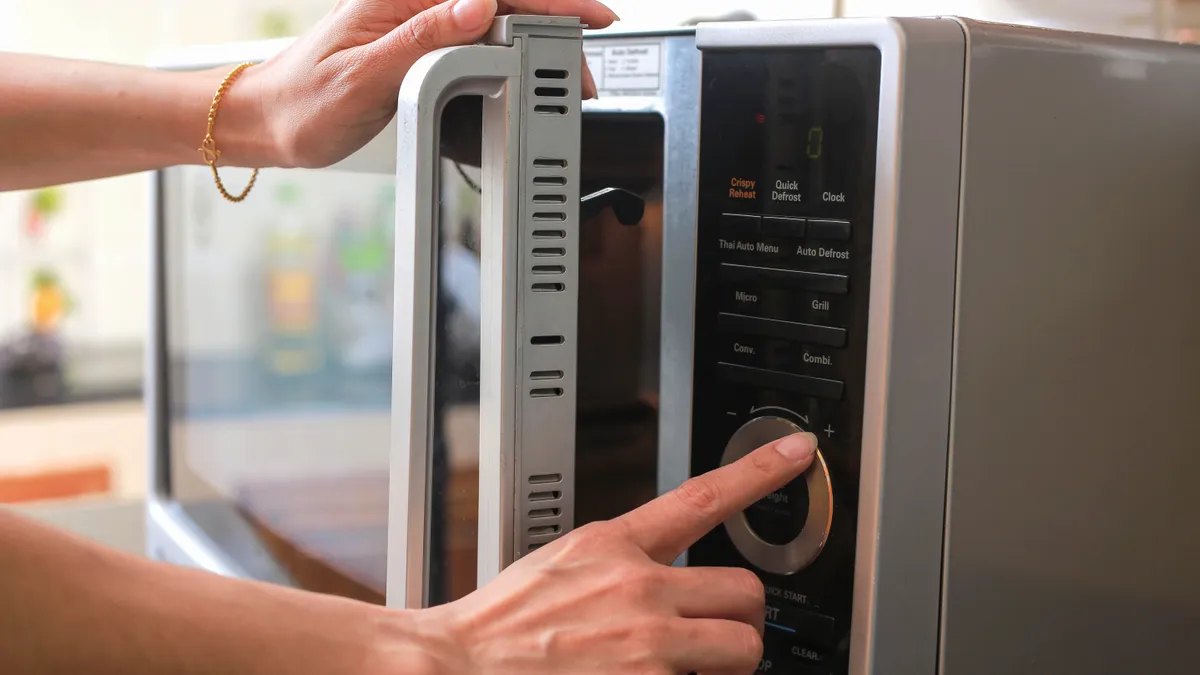
This one felt almost too simple — until I tried it. When reheating food, ChatGPT suggested placing a microwave-safe glass of water next to your plate because the steam keeps food from drying out.
It worked immediately. My leftover fried chicken stayed crispy and leftover pizza was surprisingly less-soggy. Normally I would reheat these foods in the air fryer, but this trick saves some much needed time.
Why it stuck: zero effort, instant upgrade.
2. Turn any meal into a one-pan version

I gave ChatGPT a basic dinner idea (chicken, veggies, potatoes) and used the prompt:
“Make this a one-pan meal with minimal cleanup.”
It restructured everything with cooking order, temperature, timing — you name it. Everything went into a single sheet pan. This meant less cleanup, fewer dishes and honestly, less mental effort.
Why it stuck: fewer steps = happy mom life.
3. Use a “clean-as-you-go” cooking system

I already do this by default but ChatGPT gave me an organized flow. It told me to prep ingredients and start cooking and then clean during wait times such as while water boils, food bakes, etc. This is often a time when I might scroll my phone or respond to emails, but staying focused has definitely helped make after-dinner cleanup a lot easier.
Why it stuck: It sounds basic, but having it structured like a system made me actually follow it.
4. Turn random ingredients into an actual meal

When I'm shopping, I try to think of meals while at the store, but still by Wednesday, I'll open the fridge and find nothing useful. That's where this prompt came to the rescue:
“I have these ingredients [i.e. eggs, spinach, shredded cheese and tortillas] — what can I make quickly?”
Every time, ChatGPT gave me a simple plan, like wraps that took under 10 minutes. This has quickly become my go-to move when I feel like I “have no food.” It's also extremely helpful when the kids come home from school "starving" and need a snack.
Why it stuck: It removes decision fatigue completely.
5. Cook once, eat twice (without getting bored)

I have tried meal prepping but I can't stick with it. So, instead of just meal prepping, I asked ChatGPT:
“How can I turn tonight’s dinner into a different meal tomorrow?”
It suggested turning roast chicken into tacos the next day. They were amazing. And then pasta one day turned into baked pasta leftovers the next. Ground beef became taco bowls and more. This made leftovers feel intentional and completely new, rather than repetitive.
Why it stuck: This one saves time without feeling like we are actually eating leftovers.
6. Make meals picky-eater friendly without starting over

This one hit especially hard for me. My five-year-old would eat chicken nuggets for every meal if he could. So I asked ChatGPT:
“How can I adjust this meal for picky kids without making a separate dinner?”
It suggested small tweaks such as keeping the ingredients seperate instead of mixed, offer sauces on the side and simplify seasoning for one portion. For example, instead of fried rice, he just gets plain rice with soy sauce on the side. Suddenly dinner felt less like a negoation.
Why it stuck: Less stress at the table.
7. Generate a 15-minute dinner on demand

On nights when everything feels impossible and I have to get my kids to soccer practice, gymnastics and piano, this one was a true game changer. I used the prompt:
“Give me a 15-minute dinner with minimal cleanup.”
I was truly suprised by what ChatGPT could spin up given the time restraint. It offered quick, realistic ideas using common ingredients we already have. And when it suggests an ingredient we don't have, it always has a quick way to pivot.
And more importantly, it gives me a starting point, which is usually the hardest part.
Why it stuck: It gets me out of “what do I even make?” mode.
Bottom line
Leaning on AI to make common, every day problems easier is one of the best ways I've found for tools like ChatGPT, Claude and Gemini. And, don't get me wrong, AI won't turn you into a chef overnight, but it may make cooking feel a lot less overwhelming and give you new ways to make your family happier with the meal selection.
For me, the real value isn't the recipes, frankly, you can find them anywhere on the web, but the small, practical tweaks that save time, reduce cleanup and make dinner feel doable again. And on a busy weeknight, that’s more than enough.

Follow Tom's Guide on Google News and add us as a preferred source to get our up-to-date news, analysis, and reviews in your feeds.
More from Tom's Guide