There is a golden rule when it comes to good toilet habits, and all plumbers agree. There are only three things you should flush down a toilet — pee, poo and paper.
According to Bathroom City, our sewage systems are only designed to carry what are referred to as the ‘3 P’s’, and anything else should be disposed of elsewhere. If not, you could be faced with blocked pipes that cause your toilet to overflow, and a hefty bill to put it right.
What’s more, apart from an overflowing toilet damaging your floors, sewage can back up and be a breeding ground for bacteria. While pipes can burst or crack with the added pressure of a blockage.
Rather than face the consequences of a blocked toilet, it’s far better to prevent it from happening in the first place. So check your habits and ensure you never flush these 11 items down your toilet.
1. ‘Flushable’ wipes and paper towels

Check before you flush. Eddie Linares, a virtual plumbing assistant at American Home Shield, advises being wary of items labeled ‘flushable’, such as paper towels and wipes. “They don't break down like toilet paper, leading to potential clogs in your plumbing system and the sewer lines, which can lead to expensive repairs,” he says.
Andy Ellis, bathroom expert at Vidalux, also agrees and says they can get tangled with other waste and cause blockages.
2. Oil or grease
While it’s more likely you’ll pour oil or grease down your sink, which should also be avoided, some people have a habit of pouring fat down their toilet. “Over time, the grease or oil will solidify, causing clogs. Even small amounts of oil can contribute to larger clogs in the sewer system if multiple people dispose of it improperly,” explains Linares.
3. Sanitary products and diapers

These products are designed to absorb, and if they’re flushed down the toilet, they will expand, being a very likely cause of blocked pipes. Dispose of them in a sanitary or diaper bin.
4. Q-tips and cotton pads
Q-tips and cotton pads don’t break down in the same way as toilet paper and are not safe to flush. Dispose of them in your bathroom trash instead.
5. Dental floss

Although dental floss can clean your teeth, it’s not good for your plumbing. Apart from clogging pipes, by catching and holding onto other debris, if you have a septic tank, it can damage the system if it gets caught around the motor.
6. Hair
Just like dental floss, hair can clog your pipes, and as it never dissolves, it’s an ongoing issue. Rather than disposing of the hair caught in your comb down the toilet, pop it in a trash bin.
7. Medication

Unused medication should not be flushed away. Wastewater treatment plants are not designed to remove pharmaceuticals from water, and disposing of pills in this way can degrade water quality and pose a public health risk. There may be a free facility to dispose of unused medications in your area.
8. Cat litter
Cat litter expands in water and is not suitable to flush down your toilet. Waste Water Transport Services, also claims that even cat litter described as ‘flushable’ shouldn’t be disposed of in this way, as “most toilets don’t use enough water to move the litter along properly in your pipes”.
It also states that cat waste from the litter box should not be flushed, as the litter dehydrates it, and toilets are designed to flush water-soluble waste.
9. Food

Human waste is essentially broken-down food that has been digested, and plumbing can cope with this matter. However, leftover food hasn’t been digested, and although it will break down eventually, it’s more likely to cause blockages before this happens.
10. Chemicals
Never flush chemicals or solvents down the toilet. They can react with substances in the sewage system, causing corrosion and environmental harm. Instead, dispose of them properly at your local designated site.
11. Too much toilet paper

Although toilet paper is flushable, using too much can cause blockages, especially if your toilet cistern is small and has a lower water volume. Therefore, even using too much toilet paper can cause unwanted clogs if it's used unwisely.
What to avoid if your toilet gets blocked?
Linares advises against using chemical drain cleaners to clear a blockage, as he says they are corrosive and can cause damage to your plumbing system. Instead, he recommends calling out a plumber.
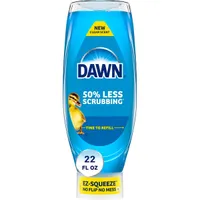
However, for general maintenance, he recommends using Dawn dish soap. “It has good grease-cutting properties that can help maintain drain health without any harsh, potentially damaging chemicals,” and he adds, “Simply replacing other toilet and sink cleaners with Dawn is a simple way to keep your drains running smoothly.”
You might also be interested in reading Cleaning pros share how often you should clean your toilet — and you'll be surprised.

Follow Tom's Guide on Google News and add us as a preferred source to get our up-to-date news, analysis, and reviews in your feeds.
More from Tom's Guide