The Nintendo Switch 2 arrived in the middle of a geopolitical storm last year when President Trump unveiled plans for universal reciprocal tariffs the same day the console was announced.
What followed was a delay and huge stock shortages as the Japanese gaming giant attempted to navigate the supply chain costs when the console finally launched in June.
Nintendo's follow-up to the phenomenally popular original Switch arrived with a price hike that immediately drew concern from gamers.
Seven months on, and the storm around consumer electronics has only worsened as AI-driven demand has caused the price RAM to skyrocket. Now, Nintendo's president, Shuntaro Furukawa, has shared that the company is monitoring the situation closely and a further price rise isn't out of the question.
In an interview with Kyoto Shimbun, reproduced by VideoGamesChronicle, Furukawa explained that the U.S.'s current 15% tariff on Japan caused Nintendo to project losses of tens of billions of yen for the fiscal year.
Although Furukawa didn't rule out raising prices, he also noted the company is trying to launch a new console lifecycle and needs to drive adoption. After all, you can't gain a foothold with your new product if nobody is prepared to buy it right away.
“While it’s difficult to accurately gauge the future impact, our basic policy is to recognize tariffs as a cost and pass them on to prices as much as possible, not just in the US,” he said.
“On the other hand, this is a crucial period for our game business as we promote the adoption of new hardware and maintain the momentum of our platforms. We are working on this while carefully considering the situation.”
Nintendo price hikes — what you need to know
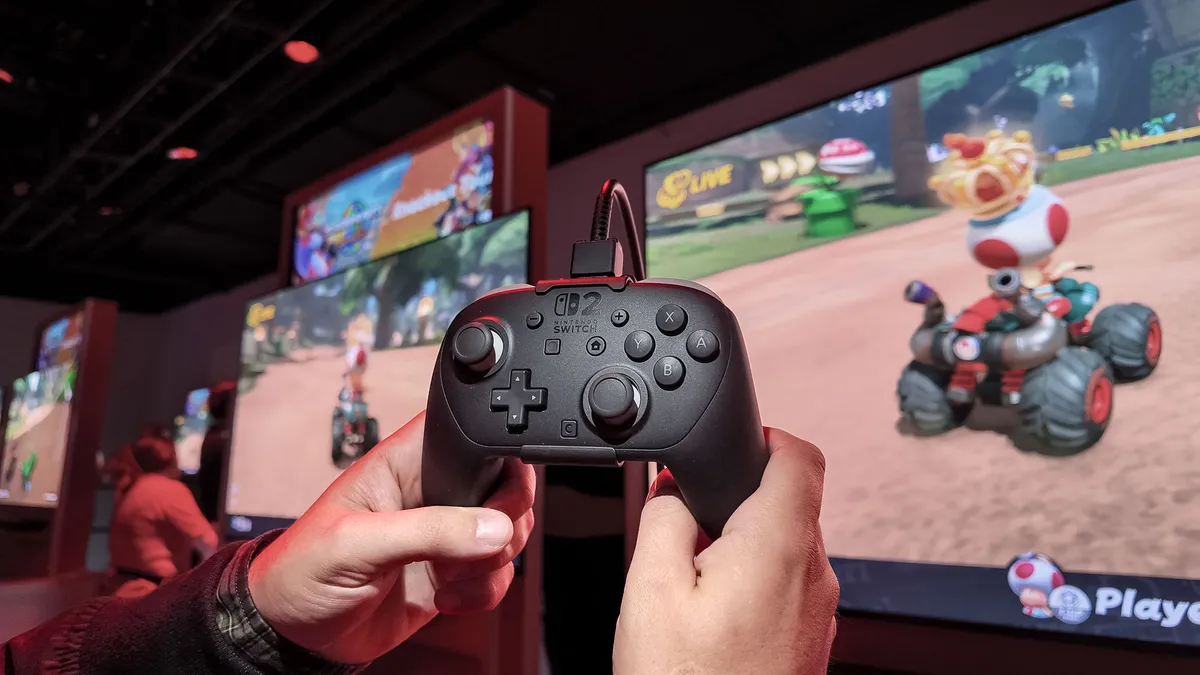
The standard Switch 1 increased to $340 from $300, the Switch Lite increased to $230 from $200 and the Switch OLED increased to $400 from $350.
If the current one-two punch of tariffs and memory shortages continue, it would seem all but certain that the Switch 2 price will increase from $449 / £395 / AU$699 in the future. And not just for U.S. customers, but likely for global markets as well.
Nintendo's rivals Sony and Microsoft have both already increased prices on their gaming hardware and the price of every other Nintendo console apart from the Switch 2 went up in August. That hike also included Nintendo Switch 2 accessories like the Joy-Con 2 and Pro Controller as Nintendo responded to "market conditions."
The standard Switch 1 increased to $340 from $300, the Switch Lite increased to $230 from $200 and the Switch OLED increased to $400 from $350.
Nintendo, like many other companies, will have built up a stockpile of components and inventory to try and protect itself, but there's only so long that can last.
“We procure from suppliers based on our medium- to long-term business plans, but the current memory market is very volatile,” Furukawa said.
“There is no immediate impact on earnings, but it is something we must monitor closely.”

Follow Tom's Guide on Google News and add us as a preferred source to get our up-to-date news, analysis, and reviews in your feeds.
More from Tom's Guide
- 14 games we can’t wait to play in 2026 for PS5, Nintendo Switch 2, PC and Xbox — GTA 6, Marvel's Wolverine, 007 First Light and more
- I finally tried Gaming Copilot in the Xbox app — and its game recommendations surprised me
- LEGO's first Smart Brick sets are now available for pre-order — and yes, they're all Star Wars