




Netflix is about to lose James Cameron's first, and arguably best, blockbuster. Long before the hunt for unobtanium in Pandora, more than a decade before Jack drew Rose, James Cameron debuted his career with this genre-bending film that still holds up over 41 years later.
"The Terminator" (1984), which pits a cyborg assassin (Arnold Schwarzenegger) against waitress Sarah Connor (Linda Hamilton), is one of my favourite rewatches. Recently, it's begun to hold special meaning to me as well. I’ve been thinking and writing about the future of AI, a thread running through the fabric of the story. So with the sci-fi classic about to leave Netflix, it was time to revisit this rare gem of a film before its imminent departure from the Netflix library on Feb 1.
A 'hidden gem' that still holds up
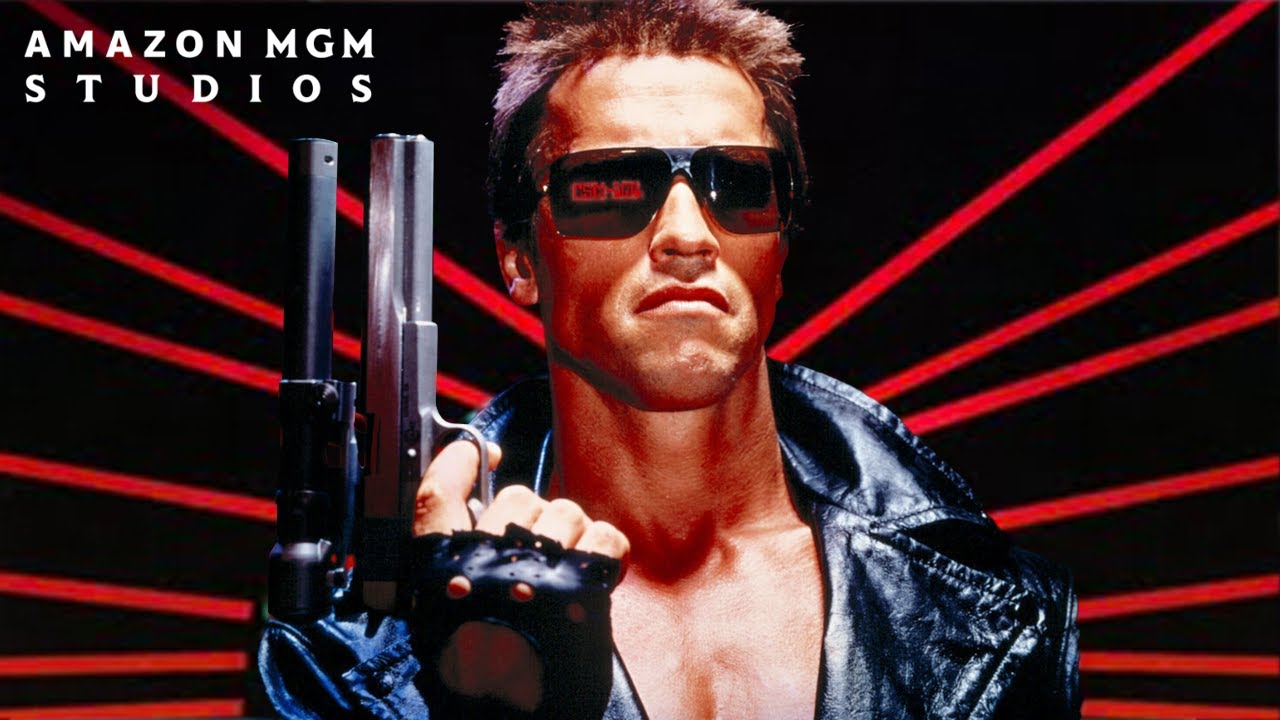
I don’t use ‘rare gem’ lightly, but "The Terminator" is more than just shoot-em-up scenes and classic lines such as “I’ll be back.” It’s more than Schwarzenegger‘s coming-out to prove he could act in the right kind of role. It manages to be both slasher-horror and time-travel tale, a dance on the edge of horror spiced with a heart-warming love story. That’s no easy feat when you’re a relative no-name director/writer, which Cameron was at the time.
Cameron accomplished so much with so little. He had star wattage in the cast, including peak Lance Hendriksen, but no one knew how "Ah-nold" would transcend space and time to look as robotic as anything coming from Boston Dynamics today. So yes, the visual effects could be stop-motion cheesy, but Cameron turned a time-travel story into one of my favourite action movies of all time.
'Halloween' meets heartache: 'The Terminator' succeeds because it defies genre
"The Terminator" is widely considered a sci-fi classic, but it transcends genre. It's also equal parts horror and heartbreak.
The seed of the film’s story came to Cameron in a dream. In an interview with Entertainment Weekly, he recalled how he dreamt of a “metal death figure coming out of a fire. And the implication was that it had been stripped of its skin by the fire and exposed for what it really was.” After the dream, he drew the image, and that final look didn’t stray far from Cameron's initial sketch.
In the same interview, Cameron also shares how "The Terminator" riffs on themes that have cropped up in several of his other films, including "Titanic." He highlighted how it explores “our love/hate relationship with technology, our tendency as a species to move in a direction that might ultimately destroy us…”
For me, I had always been hooked right from the opening sequence after the credits. When the “one day pattern killer,” as the police call him, crackles into view as he travels back to 1984, I have no clue what’s going to happen next. All I l know is that a man-versus-machine dystopia is forcing someone's hand to time travel.
Truthfully, I love the lack of plot points in the first hour or so of "The Terminator." Few films make you wonder who is killing whom for what reason for longer than 20 minutes. What Cameron did with the pacing of this film is frame a story we could relate to: When a waitress named Sarah Connor watches news footage of other women named Sarah Connor who were suddenly murdered, we feel her confusion. Like her, we want to know why this heavyweight assassin is killing these women. But I didn’t care that it took 50 minutes for us, the viewer, to find out why she’s being hunted.
Once Kyle Reese, sent from the future by the Resistance, proclaims his protective duties to Connor, the puzzle pieces stitch together with a grand "A-ha!" moment. He’s been sent here to ensure Connor survives because she’s the mother of the Resistance’s leader, John Connor. The cyborg wants to kill her in what one of the cops grossly dubs “a retroactive abortion.”
Again, "The Terminator" defies sticking to one genre. It borrows from slasher films in how the cyborg is set loose on Connor, with every gun at his disposal. It’s all reminiscent of Mike Myers and Jason Vorhees. But among the horror, Cameron also gives us enough head-scratching concepts on time travel to rival the entire "Back to the Future" trilogy.

What is clear to me on this most recent rewatch is how the chemistry between Reese and Connor carries a welcoming rhythm, countering the standard chase-em sequences. There’s an especially poignant moment involving a photo that captures the essence of what Cameron wanted to share: love and courage can inspire us to rise against the oppression we face. And sometimes that oppression comes in the form of laser-gunned drone robots in 2029’s wasteland.
"The Terminator" often gets overshadowed, and rightfully so to some film fans, by its 1991 sequel, which is set when John Connor is 10. "Terminator 2: Judgement Day" deserves its own flowers, of course, but let’s just say the later sequels and TV series didn’t live up to the franchise’s high expectations. That’s no fault of Cameron, who wasn’t heavily involved with any project after "T2," but blame could be levelled on the hubris of Terminator franchise producers who couldn’t dare see the brand fade.
Either way, today’s iterations leave a copper taste in my mouth. The OG "The Terminator," for me, will always be my comfort food of an action flick, a two-hour escape into a high-stakes battle between man and machine and 80s perms. For such a murderous movie, for so many shotgun blasts to the chest, Cameron’s debut reminds me why I love movies: they can be fun and intelligent and engaging, and the best ones excel at all three.

Follow Tom's Guide on Google News and add us as a preferred source to get our up-to-date news, analysis, and reviews in your feeds.
More from Tom's Guide

