Source: bestofmedia | Keywords: pma, dslr, camera | Themes: Digital Cameras
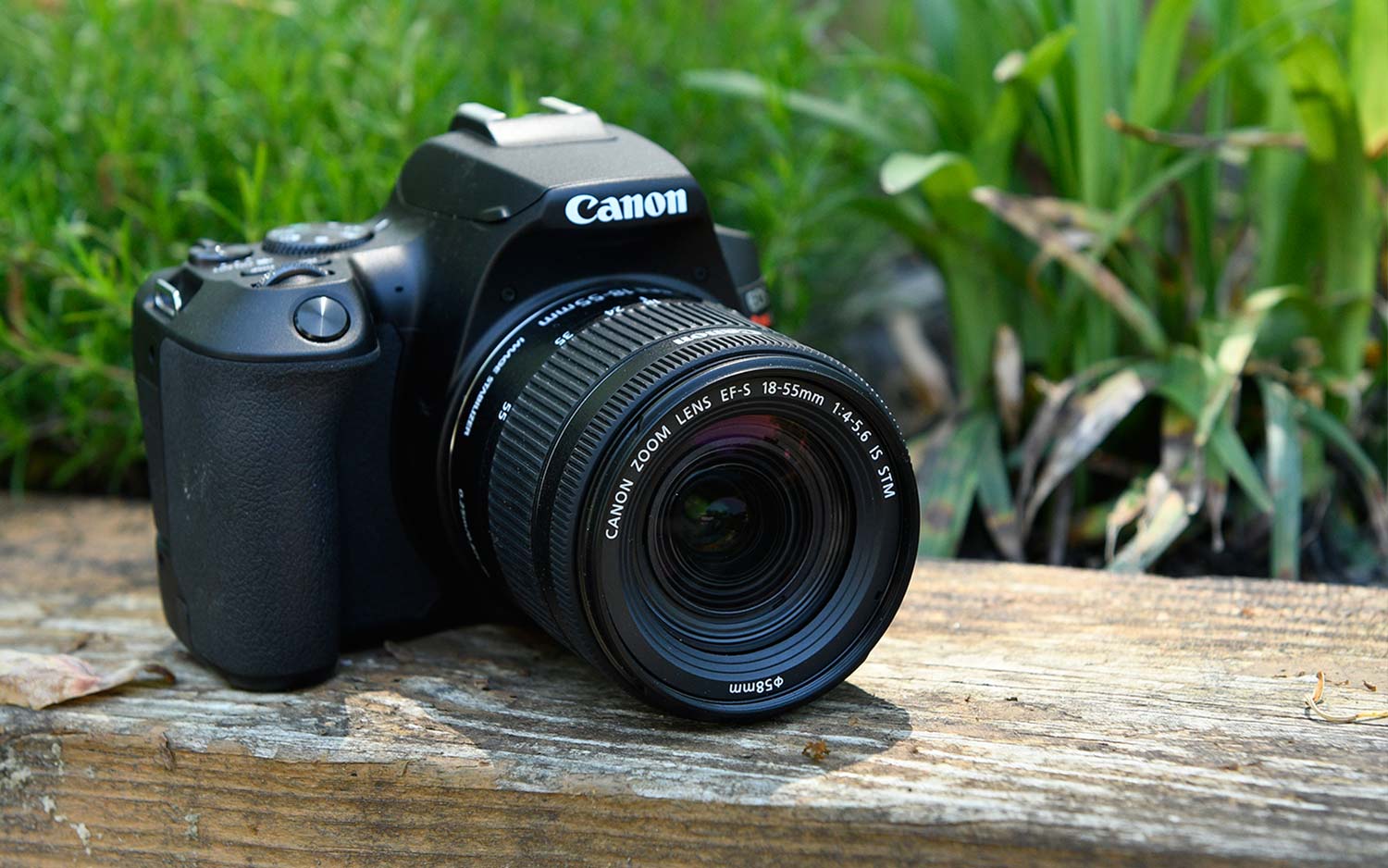
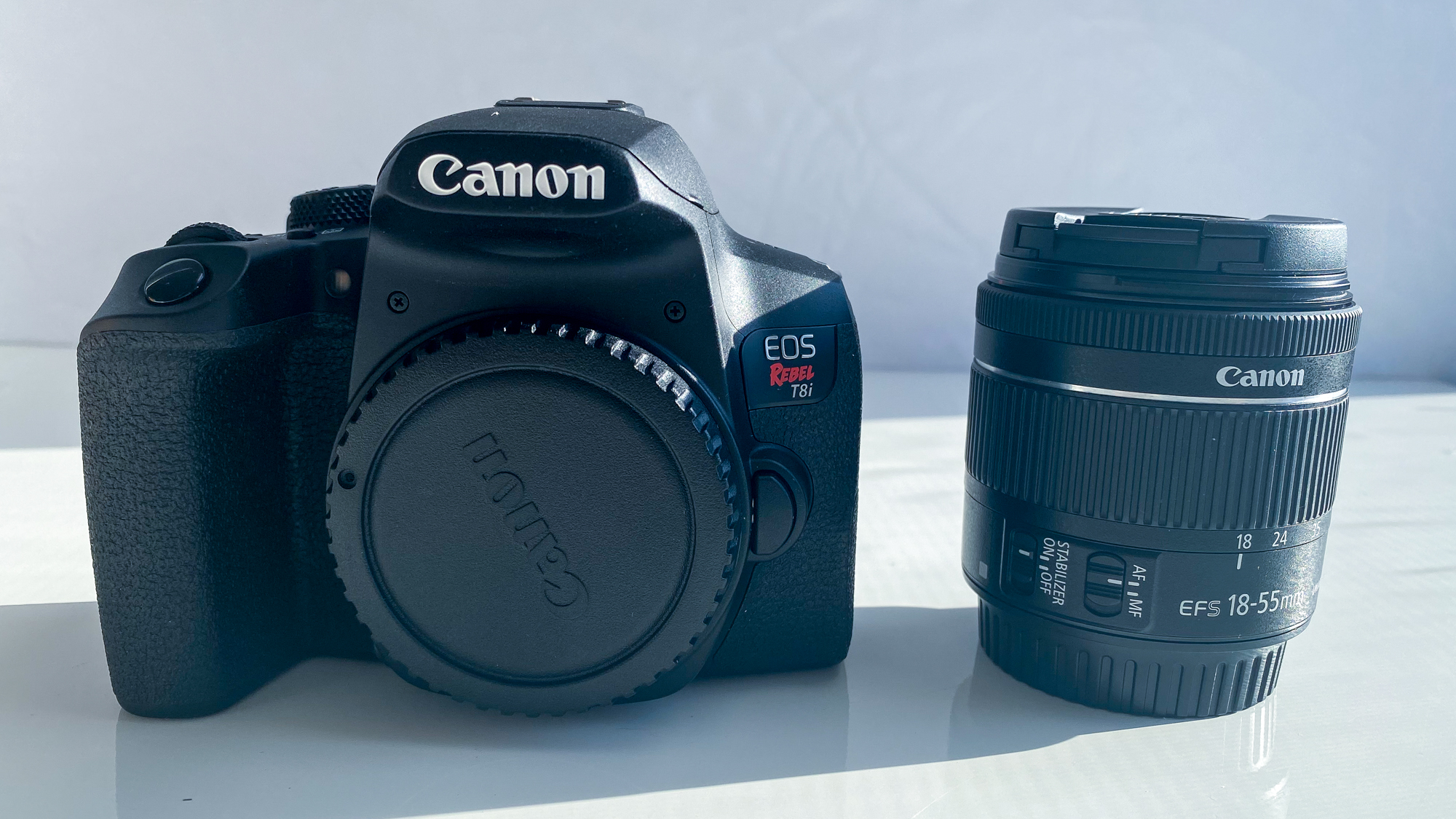
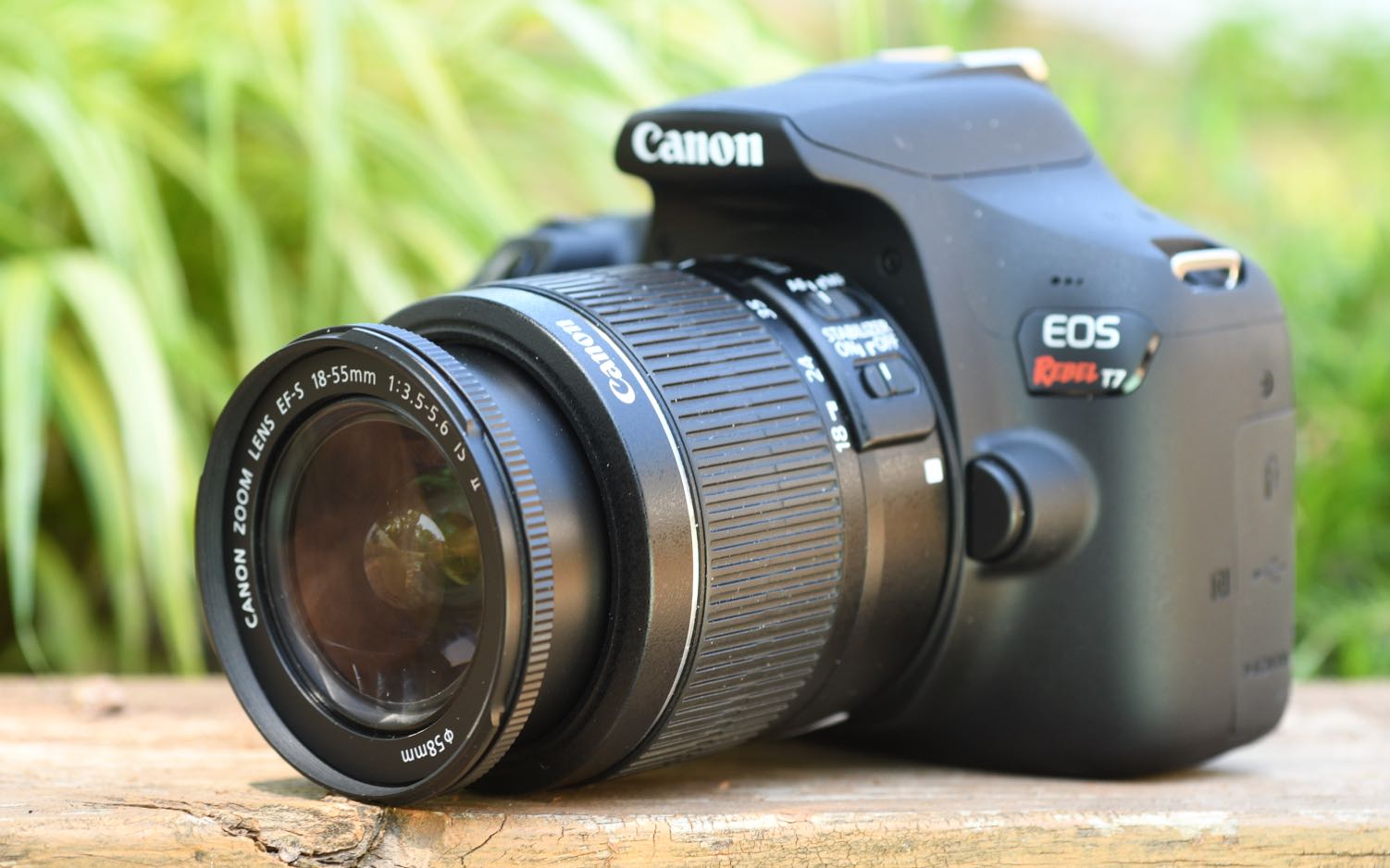
2. Canon Digital Rebel XSi
The Canon Digital Rebel XSi features a 12.2 megapixel resolution captured by a CMOS image sensor, a 14-bit analog to digital signal converter, auto optimization for problematic lighting situations, Canon’s Digic III image processor, noise reduction technology, the ability to shoot up to 3.5 frames per second, a self cleaning system, and a 3” LCD display with Live View.
The 14-bit analog to digital signal converter is particularly eye-catching, it provides 14 bits of color data for each color channel. In other words, 16,384 colors per channel. When the red, green, and blue color channels are combined, that’s a total of 4.3 trillion colors. Yes, that’s more than your eyes can see, and more than your computer can “see” as well. Still, the ability of the camera to “see” these colors enables it to produce extremely accurate color reproduction.
The 3” LCD screen features a wide color gamut, seven brightness settings for easy viewing under a variety of shooting conditions, and a wide viewing perspective in all directions. Although the LCD screen on a point and shoot camera is constantly exposed to a potential image, that’s not the case with an SLR, where the path of light from the lens is normally blocked until the picture is taken. The Live View feature of the Digital Rebel XSi works around this issue, to provide the photographer with a live preview of the shot on the 3” LCD display.
The Digital Rebel XSi’s self cleaning system works by shaking dust particles off of a filter near the image sensor. The dust is then trapped by an adhesive, preventing it from causing further problems. Cleaning is engaged each time the camera is powered up, shut down, or cleaned manually via the "clean now" function.
The Canon Digital Rebel XSi will be available in April, in black and silver models, for $899. There’s also the option to purchase at $799, if you’d prefer to buy just the camera body, and use your own lens. The Digital Rebel XSi is a very solid entry level Digital SLR, with a high pixel resolution, and tools users new to SLRs will find useful, but not so overpowering that they’ll interfere with your ability to shoot photos with complete control over the process.
- Previous page Introduction
- Next page Nikon D60
Google Ads
Comments
- 1 / 2
- Next
-
Plus what about the Pentax K20D and K200D? Those are two very noticeable camera.
Oh, and the Casio EX-F1 is NOT a digital slr, its just a high end point and shoot.
1/1.8" = 37.63 sq. mm
APS-C (Canon) = 328.56 sq. mm
Also, keep in mind that the super high frame rates it produces are at extremely low resolutions (336X96 @ 1200 fps).
Again, I'm rehashing what others have said, but if you're going to do a roundup of dSLRs, why wouldn't you include the new Pentax and Sony models? If you were to leave one out, certaily the Samsung could have been dropped since it is just a re-badged Pentax.
This article is obvious an Press Release for Casio, the pictures that apear in the front page of the site is for the casio. Which obviouslly is not a DSLR, and neither casio name it a DSLR. So I think the problem is clearly with Toms Hardware, which Day after day have became a SIte for PROPAGANDA of PRESS RELEASE from who pays more.
MAybe people should digg this article as the last example of the slow death of Toms Hardware
| husky91 : As others have said, the Casio is not a dSLR. It has a 1/1.8" sensor similar to other point and shoot cameras. A typical APS-C SLR such as the Canon or Nikon has a sensor that is about 10 times larger than the Casio.1/1.8" = 37.63 sq. mmAPS-C (Canon) = 328.56 sq. mm... |
Sensor size is irrelevant to what makes a camera a SLR.
"And there?s dual support for image stabilization, provided by Nikon?s new VR (Vibration Reduction) image stabilization lens, and Nikon?s proprietary VR camera image stabilization technology."
That's odd. I have not seen any mention anywhere else of Nikon using in camera stabilization on the D60 or on any of their dSLRs. And having a Nikon with in camera stabilization would be HUGE news for Nikon lovers/fanbois/etc... Wonder how many other errors on specs there are. And strating to wonder if the author was even at PMA and handled any of the cameras.
The fact is this writer knows nothing about cameras and did not even do the due diligence a good reporter would have done. Tom's Guide would have done a better service to its readers by inserting a link to qualified coverage, as done by Digital Photography Review. This article does the readers a disservice because it is simply full of misinformation.
"That's odd. I have not seen any mention anywhere else of Nikon using in camera stabilization on the D60 or on any of their dSLRs."
They are packaging an 18-55 VR lens with the body.
I read a lot of information about dSLR cameras, and this is the worst article that I read!
1. The camera dust reduction method aren't very effective. In fact, some dust reduction systems increased the amount of dust in the sensor according to some tests. That's why a lot of semi and pro dSLR cameras doesn't have dust reduction systems, and Nikon refused to introduce this kind of system in the entry-level dSLR until the D60.
2. In my opinion, the most important characteristcs of a dSLR camera is the low noise on high ISO without destructive noise reduction (that means a big sensor with a crop factor of 1.6x or bigger), the interchangeable lens and the optical Trought-The-Lens (TTL) viewfinder (not electronic, please).
3. A bigger zoom means a lot of optical distortion. That's why prime lens (fixed focal length) have a better image quality than zoom lens. And the zoom doesn't mean anything if the focal length isn't provided: a 15-45mm lens is very different from a 80-240mm, but both lens have a 3x zoom.
4. If you want to make movies, don't buy dSLR!
5. If you want a non-dSLR ultra-zoom, the best is the Panasonic FZ18, with 18x optical zoom (28-504mm) and low optical distortion. But like the others very-small-sensor cameras, the high-ISO performace is very bad.
6. If you really want to buy a entry-level dSRL with a lens kit:
Sony has a bad high-ISO performance
- Canon don't have the best high-ISO performance, but it have the most sharp image (low noise reduction) and a lot of good lens.
- Nikon uses the Sony sensor and have a smooth image (high noise reduction) and the body are too small, but it has the best flash metering and the very cheap 55-200mm VR lens.
- Panasonic/Samsung have the best anti-dust reduction system.
- Pentax provides more features (like shake-reduction in the sensor and a weather sealed body), but we don't know about the future of this brand.
True they are packaging a VR lens with the body as a kit but the wording of the article says "And there's dual support for image stabilization, provided by Nikon's new VR (Vibration Reduction) image stabilization lens, and Nikon's proprietary VR camera image stabilization technology." I read that as the author saying there is both VR on the lens (true) and the camera (Which I have not seen mentioned anywhere including the Nikon website)
"I read that as the author saying there is both VR on the lens (true) and the camera (Which I have not seen mentioned anywhere including the Nikon website)"
They may be refering to an additional scene mode that provides "digital image stabilization," a.k.a. high-ISO.
@rocharh
#3 - I figure the zoom race is the new megapixel race. It's won't be "who has the most megapixels" anymore. It's going to be "who has the most megapixels and the most zoom," both at the expense of quality. We haven't seen any drastic increases in quality since the 6-megapixel era. Almost all of the blame lies with marketing, too. If we could just stop trying to reinvent this wheel over and over again, we might actually be able to make it work well in the first place.
#5 - I find the FZ8 to be a better camera than the FZ18. A 12x optical zoom, you do have less zoom, but less distortion, and a lot better corner-to-corner sharpness throughout the full range. And the range is still plenty large.
But in fairness, both cameras have class-leading lens designs. I just don't find the extra telephoto useful. The extra wide is certainly nice, though.
#6 - I've always found Canon to provide the best noise levels. There's no entry-level SLR that can beat the XTi at ISO 800 or above. Even some prosumers can't touch it.
I've also found that, excepting the occasional Nikkor VR glass, Canon typically has the best optical stabilization systems. Sensor-shift stabilization systems like those in Olympus, Sony, and Pentax just don't work.
And Pentax has been around forever, and I think they'll be around for a long time to come. Pentax lenses are of a competing quality with Leica and (true) Zeiss, and their cameras offer an amazing amount of features and quality for their lower price tag. The only disadvantage is accessories are a little difficult to come by, but it's the same with Olympus and Sony. And we know that's not enough to stop them.
- 1 / 2
- Next
-