There are a lot of different methods you can use to get better at running — the simplest of which is to run more (within reason) — and as a marathoner, I’m always looking at ways to improve.
Strength training for runners is a key aspect of this, because it can boost performance and injury resilience, so it’s something I’ve been trying to make a consistent part of my own routine.
I’ve become quite good at doing regular, if short, workouts with weights, but one area I’ve yet to really explore is plyometric training, which can be hugely beneficial for runners.
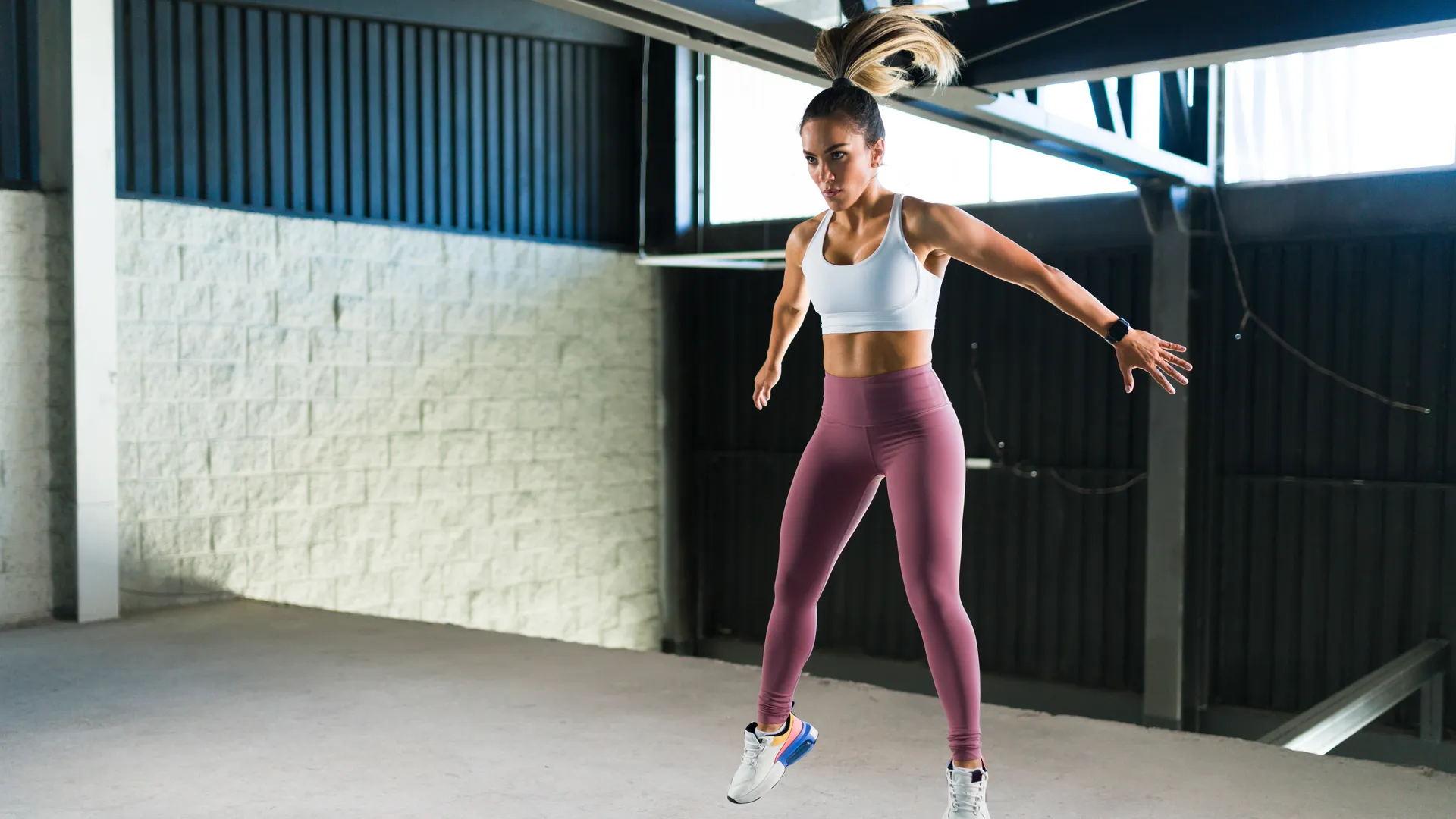
Plyometrics, or jump training, can increase your strength, power and efficiency as a runner, all things that will make you faster over any distance.
How to do plyometric training for runners
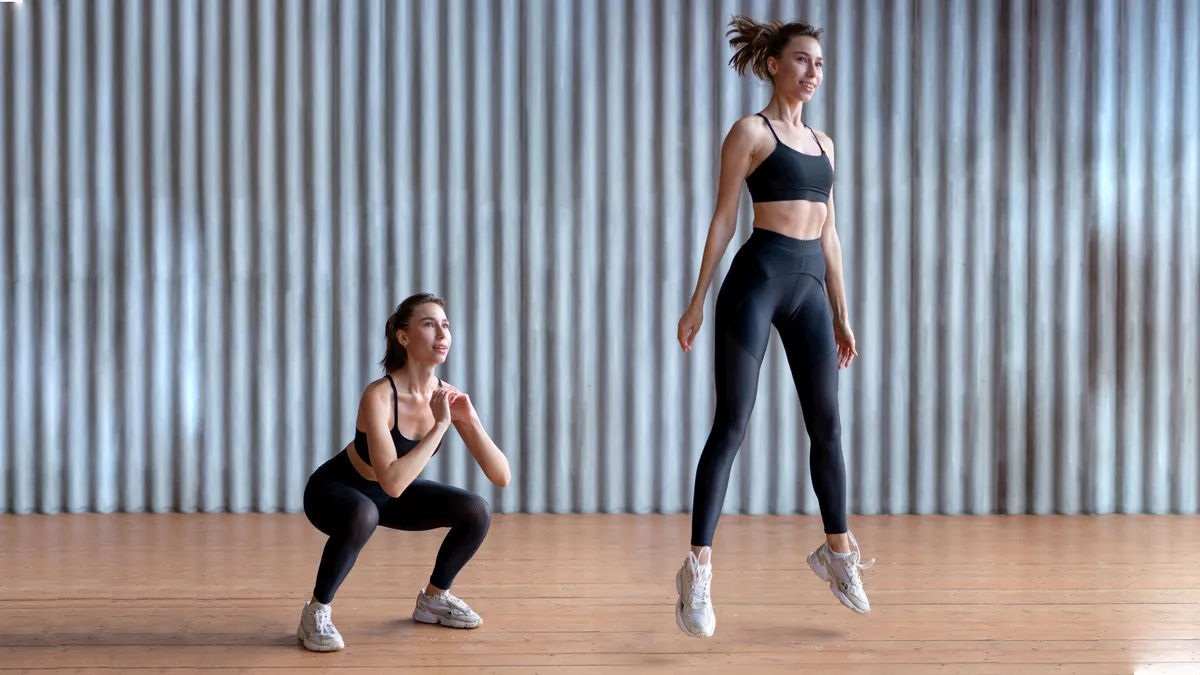
You don’t need any weights or other equipment to get started with plyometrics, and I dipped my toe into the waters with a 10-minute session in my garden after an indoor bike ride, so I was already warmed up.
I’ve also done single plyometric exercises before runs as a way of warming up the muscles for a session, and it’s not hard to add the moves into a wider workout.
The most famous plyometric exercises for the lower body are box jumps, but I don’t have a suitable box at home, so I built my workout around moves I’ve done in the past with runner workouts.
These included pogo jumps on both one and two legs, squat jumps, and broad jumps. I did three sets of each move in a circuit, along with kettlebell swings as an extra exercise I enjoy.
I’m not a personal trainer, and this was just pieced together from exercises I’ve tried before, so for a more detailed plyometrics session for beginners from a qualified source, you could try this 12-minute workout from fitness trainer Julia Reppel.
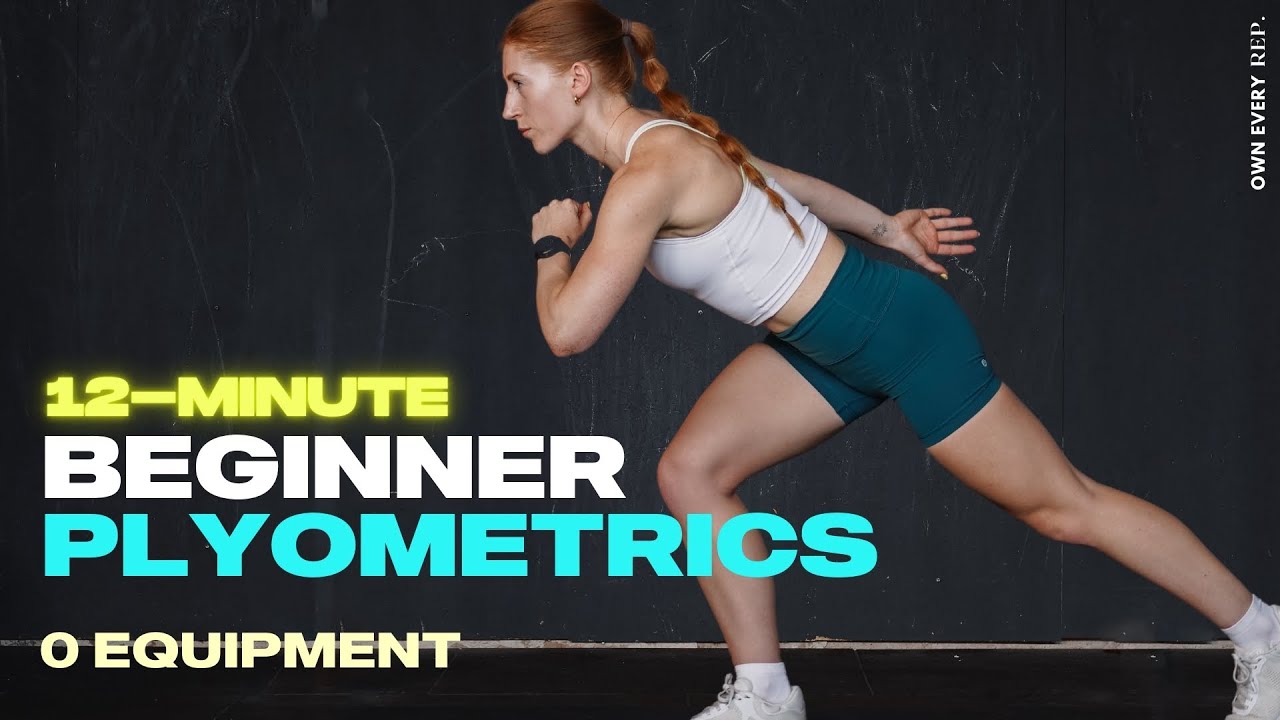
Plyometrics is a high-impact form of exercise, so it’s best to ease into it carefully if you are a beginner.
However you get started with it, I think plyometrics is a great addition to any training routine — here are my main takeaways from my session.
Plyometric training is fun and great to do outside
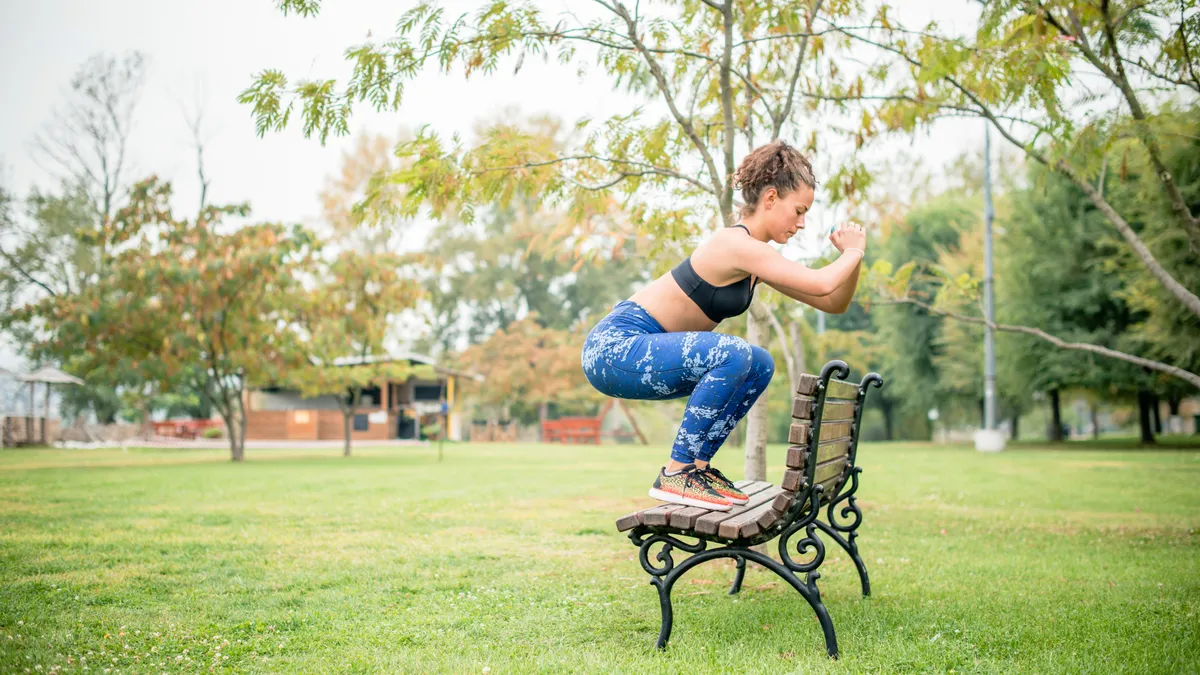
When was the last time you did a lot of jumping around? I have two small kids, so I do get the opportunity to do this fairly regularly, but even so, doing the workout was a reminder that jumping around is fun.
Plyometric training is invigorating in a way that I find slowly grinding through a set of reps with weights isn’t, and any time exercise is enjoyable, it's more likely you’ll keep doing it.
I did my workout outside too, which is great when the weather’s good, and also important because I could do the jumps on grass.
You want a surface with some give for plyometrics to reduce the impact of the moves, so grass or dirt is perfect when the weather permits, or a yoga mat in the gym when it doesn’t.
You need a stable shoe with good grip

Most of the best running shoes available right now have very high stacks of soft foam in their midsole, which is great for delivering comfort on the run, but can be unstable when you’re jumping around in your garden.
I used a relatively low stack and firm shoe for the workout to provide more stability when landing the broad jumps in particular.
You also want a shoe with good grip, especially if you’re training on grass like I was, because you might slip when landing a big jump otherwise.
Each jump is important

I was doing sets of 10-20 jumps for each exercise and found it important to focus on committing to each jump to get the most out of them.
Especially with the pogo jumps, you can speed through reps quite half-heartedly, but if you want to maximize the benefits of plyometrics, you’ve got to commit and really engage your lower body muscles with each leap.
It ramps up your heart rate quickly

Jumping around really gets your heart going and burns calories quickly, too. My heart rate hit a peak of 144 bpm during the session, and I averaged 128 bpm, whereas in the hour-long easy cycle I did beforehand, I averaged 108 bpm.
This shows the intensity of a plyometrics session, which is why you have to be careful not to overdo it, but also that the benefits extend to boosting your cardiovascular fitness, along with your lower-body strength and power.
You have to focus on landing softly
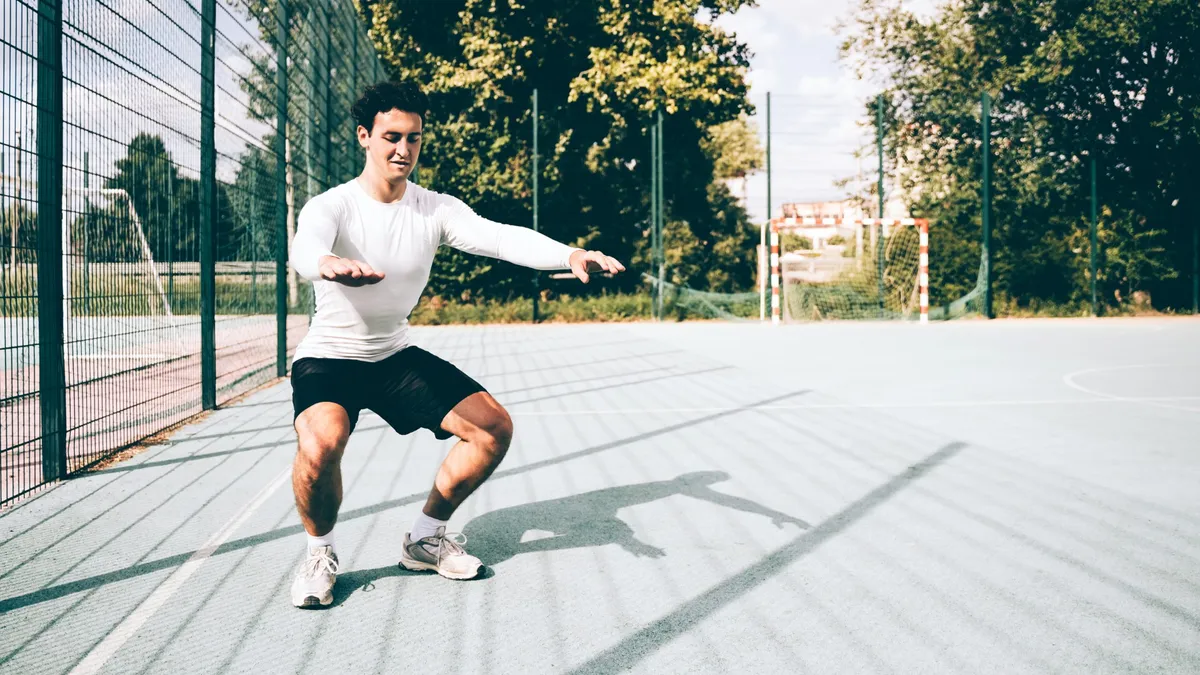
I’ve mentioned it a few times, but I’ll say it again – plyometrics is a high-impact way to exercise, and especially if you’re already doing a lot of high-impact running each week, you have to be careful with adding it into your routine.
Along with judging how much you do carefully and working on a surface that isn’t too firm, it’s important to focus on landing softly with bent knees in a shallow squat.
Follow Tom's Guide fitness on Instagram for more workouts, routines, tips, and tricks.

Follow Tom's Guide on Google News and add us as a preferred source to get our up-to-date news, analysis, and reviews in your feeds. Subscribe to Tom's Guide on YouTube and follow us on TikTok.
More from Tom's Guide