When you think of ab workouts, planks and sit-ups probably come to mind, and while these exercises are great when it comes to working your outer "six-pack" muscles, for building anti-rotational strength in your deep core, I opt for the Pilates bird dog crunch. Read on to find out how to do it and the variations to try.
As a reminder, what works for me might not be right for you and your body. If you’re a complete beginner, you’re pregnant or postpartum, or you’re dealing with a specific injury, this might not be the right exercise for you. Always check in with a qualified professional before trying something new.
How to do the Pilates bird dog crunch
To do a bird dog crunch, you’ll need to have mastered the bird dog first. You can read more about how to do a bird dog before you begin. The bird dog crunch takes things one step further, adding a crunch element to challenge your balance, spinal articulation and deep core compression.
I’ve been practicing Pilates for the past 15 years, and as with all Pilates moves, the key to the bird dog crunch is to move slowly and with control. Keep your core engaged throughout — to do this, think about sucking your belly button into your spine and really bracing your abs.
You won’t need any additional equipment for this move, but using one of the best yoga mats can help soften the impact on your joints.
- Start on all fours. Make sure your wrists are stacked underneath your shoulders, and your knees are aligned with your hips. Squeeze your core and find a neutral spine — your back shouldn’t arch or dome in this move.
- Take a breath in, reach your right arm forward and extend your left leg back away from your body. Keep your hips completely level — imagine you have a headlight on each hip, the lights should stay shining down on your exercise mat.
- From here, exhale, scoop in your abs, round your back and bring your right elbow to touch your left knee underneath your torso.
- Inhale, and extend both your arm and leg back out to a straight line.
- Release and repeat on the opposite side.
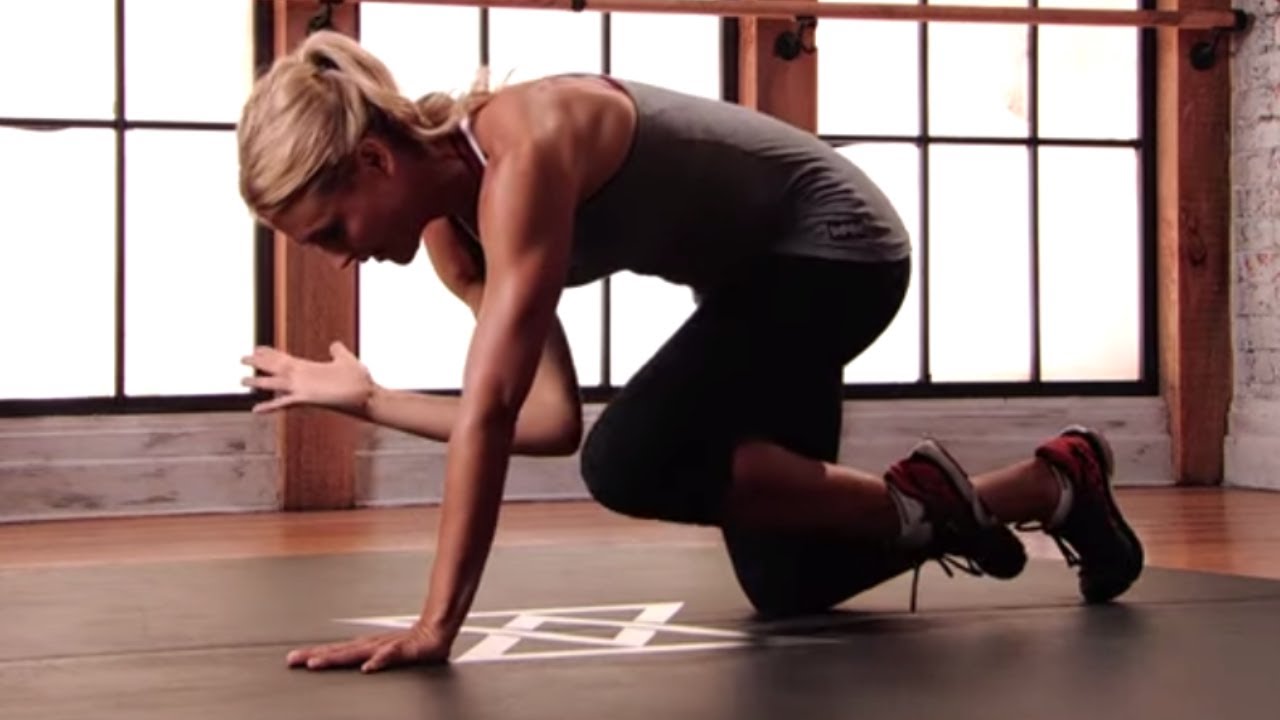
Remember, it’s natural to feel wobbly in this move — you’re asking your body to balance and move at the same time. Start by going as slowly as possible and focusing on your form. Squeeze your glutes to keep your leg extended and think about reaching your arm as far away from you as possible before and after the crunch.
What are the benefits?
Building balance and coordination
This move is a real challenge to your balance and coordination, as you’ll be moving two limbs simultaneously, while balancing on the remaining two. It forces the deep stabilizer muscles in your core to fire, but also works on your brain’s ability to sense where your limbs are without looking at them — something we call proprioception.
One easy way to understand this is to hold your hand up to your face in the dark — your brain can’t see your hand, but it knows that it is there. This is especially important as we get older, as building balance and coordination can prevent falls.

Targeting your deep core
Your deep transverse abdominis and obliques work together to keep your torso stable in this move. It’s especially hard, as your body naturally wants to tip as you balance on one arm and one leg. This deep core strength is essential for protecting your spine and building functional strength in your core. You’ll use this anti-rotational movement during everyday activities like lifting a heavy bag of groceries into the car or lifting a toddler from their crib.
Reducing lower back pain
Finally, unlike the standard bird dog, which focuses on keeping your back flat and stable throughout, the crunch variation adds flexion of the spine as you crunch your elbow towards your knee below your torso. To do this, you naturally curve your back, which helps improve the flexibility of the muscles in the spine.
What are the progressions?
Once you’ve mastered the bird dog crunch, here’s how to increase the intensity:
- Add weight: Hold a light dumbbell in the reaching hand or wear one of the best ankle weights on the reaching leg. This increases the load on the body and forces your stabilizers to fire to prevent your back from arching. Check out the best adjustable dumbbells for working out at home.
- Try working the same side: For this variation, try to lift the right arm and right leg simultaneously. Then take things one step further and perform a crunch on the same side.
- Try the hovering bird dog: For this variation, hover the knee that isn’t extended a few inches off the mat, so that you are in a bear plank position. Then extend the opposite arm and leg.
Follow Tom's Guide fitness on Instagram for more workouts, routines, tips, and tricks.
Follow Tom's Guide on Google News and add us as a preferred source to get our up-to-date news, analysis, and reviews in your feeds.

More from Tom's Guide
- Not sit-ups, planks, or crunches: I do this simple Pilates exercise every single day to build a strong and stable core and work on my hip flexor mobility
- Not sit-ups or lunges — I use this simple Pilates exercise to sculpt strong obliques, inner thighs and hip stabilizers
- 'I’m a Pilates instructor, and I recommend these 5 core exercises to help older clients build strength and improve posture'