




A mattress is more than just a piece of furniture. This hardworking essential is put through the wringer each and every night to deliver the comfort and support your sleep needs. And that means mattresses need to be replaced more often than you might think.
Here at Tom's Guide, we've tested 140+ of the best mattresses for every sleep style, so we've seen firsthand how beds age. What's more, we know just what it's like to sleep on a mattress that needs replacing. Think sore shoulders, aching hips, and unexplained smells.
As a general rule, a mattress needs to be replaced every seven to 10 years. However, sticking to this milestone might mean missing signs that your bed needs to go... or tossing a perfectly good mattress. We'll break down the signs your mattress, bedding or topper needs replacing — then head to our mattress sales page for deals from Saatva, DreamCloud, IKEA, Amazon, and more.
How often should you replace your mattress?

The average mattress needs to be replaced every seven to 10 years. But it's a little more complex than that in reality.
There are many types of mattresses on the market at all sorts of price tags. How long a mattress lasts depends greatly on the composition of your bed and the quality of its materials.
The mattress warranty can give an indicator of how long your mattress will last, with 10 years the industry average (offered by everyone from IKEA to Tempur-Pedic.) But don't take the warranty too literally: a lifetime warranty doesn't mean your bed will last forever.
Memory foam: 7-10 years
Hybrid: 7 years
Latex: Up to 25 years
Innerspring: 5-7 years
Memory foam mattresses
The best memory foam mattresses tend to have an excellent lifespan of 7 to 10 years. High density foams can withstand the pressure of every day use and with no springs, there are fewer elements to break down. With good care and regular rotation (roughly every six months) a well-built memory foam mattress might last you over a decade.
Eventually, even with the best care, memory foam will start to show dips and sags. This will happen more quickly on cheap all-foam beds that use less dense foams.
Hybrid mattresses
The best hybrid mattresses use springs and foams to create a blend of comfort and support. However, this complex build gives them a shorter lifespan than all-foam alternatives. A good hybrid will last around seven years with proper care.
This is because mattress springs lose their tension over time. You might notice they stop bouncing back and might even start squeaking. However, the quality of the springs has a big impact on the lifespan of your bed. A reinforced, low-gauge spring can deliver support for 10 years+.
Latex mattresses
If you're after maximum lifespan out of the box, consider one of the best organic mattresses made with natural latex. A hardy latex mattress can last for up to 25 years.
Natural latex foams are durable materials and they take longer to show the same dips and sags of other types of foam. But check whether your mattress is made with Dunlop or Talalay latex — Talalay is softer and so may not last quite as long as a bed made with Dunlop latex.
Innerspring mattresses
Traditional innerspring mattresses are likely to wear out the fastest, lasting between five and seven years. Made mostly from springs, which lose tension with use, the thin comfort layer between you and the coils means you feel the degradation faster than with a hybrid. (Look out for poking springs as well.)
The bad news is, if your innerspring mattress needs replacing, you might struggle to find a new one. These beds are being phased out in favor of hybrids but retailers such as MattressFirm and IKEA often have an affordable selection. And there's one significant exception to the innerspring's short lifespan...
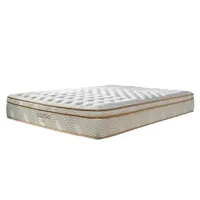
3 signs it's time to replace your mattress
Replacing a mattress can be a bit of a frog-in-hot-water situation. Instead of a sudden break down or new pain, you're more likely to experience a slow degradation that you get used to. But you want to replace your mattress before it starts ruining your sleep — these are the signs to look for.
It's sagging or showing dips
The surest physical sign that your mattress is past its prime is if there's a dent in it that simply won't go away. This is likely to be most prominent in the areas where you usually sleep, as the repeated pressure from your body causes the materials to break down.

Rotating your mattress on a regular basis can slow down the wear and tear process. We recommend rotating every six months. Some mattresses also require flipping but most modern mattresses have a structured build that only works one way up.
If you've noticed a you-shaped indentation, sagging, or lumps in your mattress, it's time for replacement. Look out for sinking edge support as well. If you used to be able to sit on the edge of the bed and now you roll straight off, it needs to go.
You're waking up in pain
How you feel in the morning can be a clear sign your mattress needs replacing. Started waking up with fresh aches? Feel tired even after what seems like a good night's rest? Sleep better on any other bed? An old mattress might be to blame.

Even if your mattress looks like it's still in good shape, as the interior materials age, your comfort suffers. The support layers might no longer hold your spine evenly, which can lead to back pain. Or the cushioning might be wearing thin. resulting in joint pain.
Choosing a new mattress that best suits your sleeping style should result in pain-free sleep. But be sure to pick a model with a long risk-free mattress trial so that you can test it thoroughly at home.
It's looking the worse for wear
Finally, if your mattress looks worse for wear, it's probably time to find a replacement. While superficial damage can be just that — superficial — it's often a sign that the beds best days are behind it.
Tears and holes in the cover are a warning that the inner materials are wearing out through use. And even with one of the best mattress protectors, unsightly stains can indicate mold growth or dust mites. (Or, in the worst case scenario, bed bugs.)

This degrading quality can impact your sleep comfort and can also trigger allergic reactions. Noticed you start sneezing or itching at night? The problem might lie in your bed.
Cleaning your mattress every six months and regularly vacuuming your mattress will help prolong its lifespan. But sadly even the best cared-for bed will run out of steam sooner or later.
And while regular use contributes to the breakdown, damp and dust from the bedroom can also damage your mattress. That's why you need to keep an eye on your rarely used guest bed.
How often should you replace your bedding?
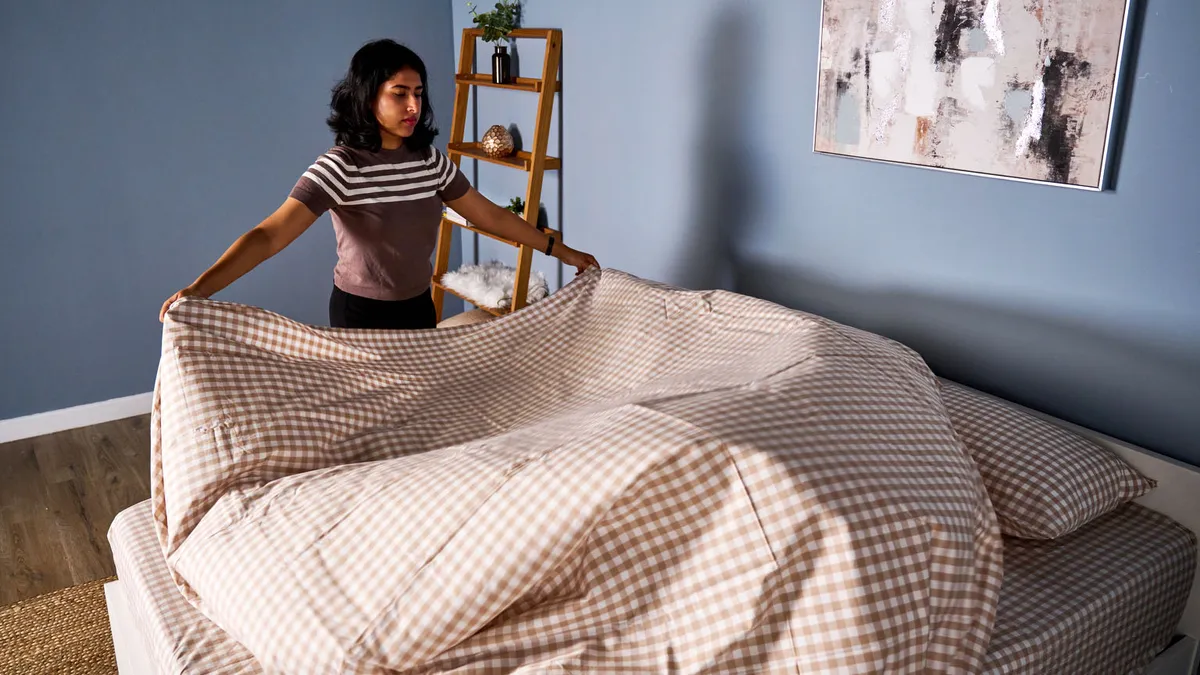
To maintain a healthy sleep environment and keep your mattress in good condition, regularly laundering and replacing your bedding is essential.
Starting with a mattress protector. In general, a mattress protector will last for around two to five years. But if yours comes with a long warranty then you should get more use out of it. For example, the Purple Waterproof Mattress Protector comes with a 10-year warranty.
Mattress protectors are essential to keep body oils, sweat and spills from ruining your mattress prematurely. And they can be a cheap buy: brands such as Linenspa and IKEA offer protectors for low prices.
Mattress protector: 2-5 years
Duvet: 5 years
Bedsheets, pillow cases and duvet cover: 5-7 years
We recommend changing your bedsheets every week to keep them fresh. With care, your sheets should last for roughly five to seven years. Although cheaper materials might start wearing out faster.
Your duvet or comforter should be replaced every five years but fill makes a big difference. A polyester fill duvet might go flatter quicker than a quality (responsibly sourced) down duvet.
As for your pillow, that's likely to need replacing sooner than you think. We've spoken to the experts and they recommend changing your pillow every two years. This ensures you have the best pillow for your sleep needs.
If you're after long-lasting bedding that feels great to sleep on, we have a recommendation for you...
How often should you replace your mattress topper?
Mattress showing its age but you're not quite ready to invest in a replacement? The best mattress toppers can add new life to an old bed, keeping you sleeping in comfort until you're ready to upgrade.
Mattress toppers are a great stopgap solution but you need to keep in mind that a topper won't last forever. And while they can cover flaws, they won't fix an old bed. If your mattress has serious sagging, you shouldn't try to mask it with a topper. Trust us, your back pain won't be fooled.
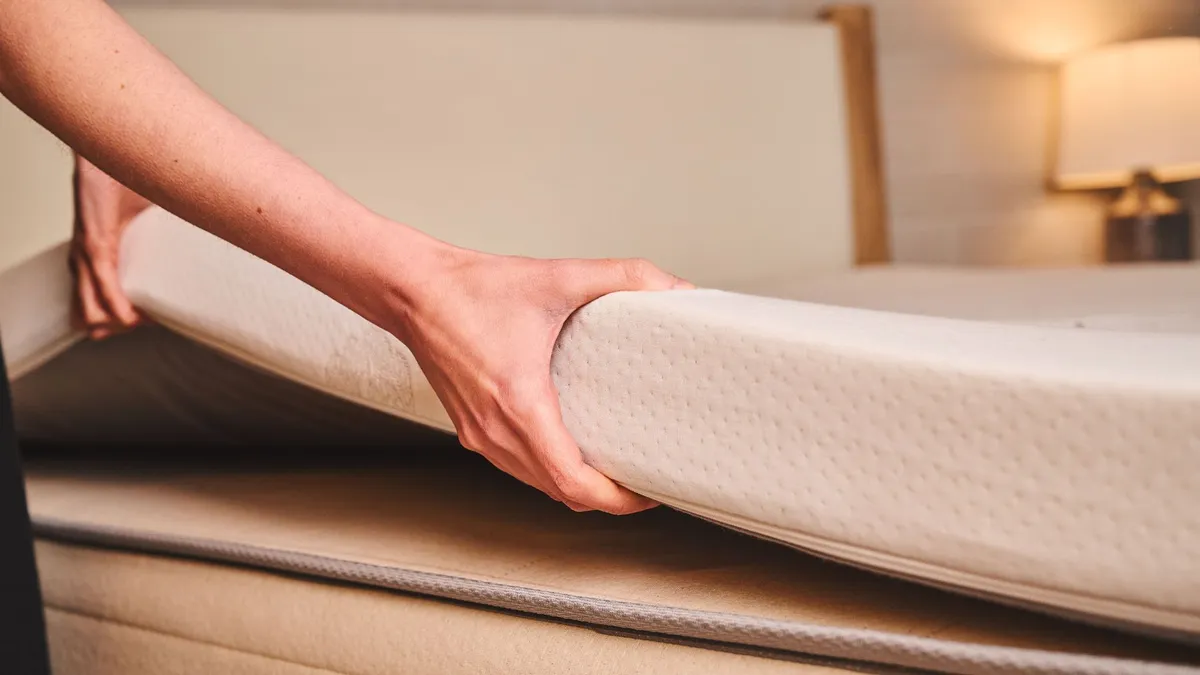
So how long does a mattress topper last? As with mattresses, it depends on the materials. Memory foam toppers are the most popular, and on average they last between two and five years. Latex toppers can last between five and 15 years, while wool toppers are good for around 10 years. Watch out for toppers filled with feathers or down, though, as their average lifespan is between one and two years.
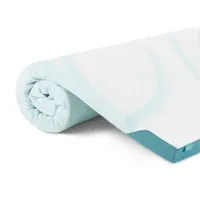
As with a mattress, look out for dips, tears, and stains that indicate your topper needs replacing. If you want a mattress topper that'll last a long time, however, we think this is a strong option:
Our top tips on how to choose the best mattress for your sleep

Sooner or later you'll have to invest in a new mattress. But is it's been nearly a decade since you bought a bed, you might be wondering how to get started.
Mattress shopping depends on factors such as your sleep position, your body type and, of course, your budget. Our guide to how to choose a mattress can set you in the right direction, but here are the three main things to consider:
- Your sleep style: The best mattresses for side sleepers are often softer, while firmer beds tend to be best for back and stomach sleepers. Medium-firm beds are good all-rounders that will suit most people.
- Mattress type: The main mattress types are memory foam, hybrid, latex and innerspring. Each type delivers different styles of comfort. Memory foam tends to have a body-hug, hybrids are more responsive, latex tends to be firm, while innersprings have plenty of bounce. Latex and hybrids are also the most expensive, while foam and innerspring skew cheaper.
- Sleep trial: Don't buy a mattress without one. It can take up to 30 days or more to decide whether a mattress is the right fit for you, and most reputable mattress brands will give you a lengthy risk-free sleep trial. During this time you can test the bed at home and see if it's actually right for your sleep. A 90-day trial is at the lower end while some brands such as Saatva and DreamCloud offer a whole year to test.

