For the last year, PC builders have been force-fed a very specific narrative about why buying a computer required a second mortgage. We were told that the AI data center boom was sucking up all the memory — resulting in 500% price surges.
And when news of a class action lawsuit against Samsung, SK Hynix and Micron broke in June, I was jubilant but fully expecting it to go nowhere, as this AI build-out was a good cover and the case hung on a “well, they’ve done it before” kind of prosecution.
But after a motion to dismiss got denied by the judge, who compared their synchronized supply starvation to “hawks flying in formation,” and the devastating new leaks about alleged GPU and memory shortage engineering, it’s becoming clear that something stinks.
This whole “RAMageddon” crisis is starting to feel like a deliberate squeeze rather than natural market evolution, and the fact that this entire artificial house of cards is currently collapsing under federal scrutiny is my definition of hopecore.
Meet the memory cartel: ‘Hawks flying in formation’
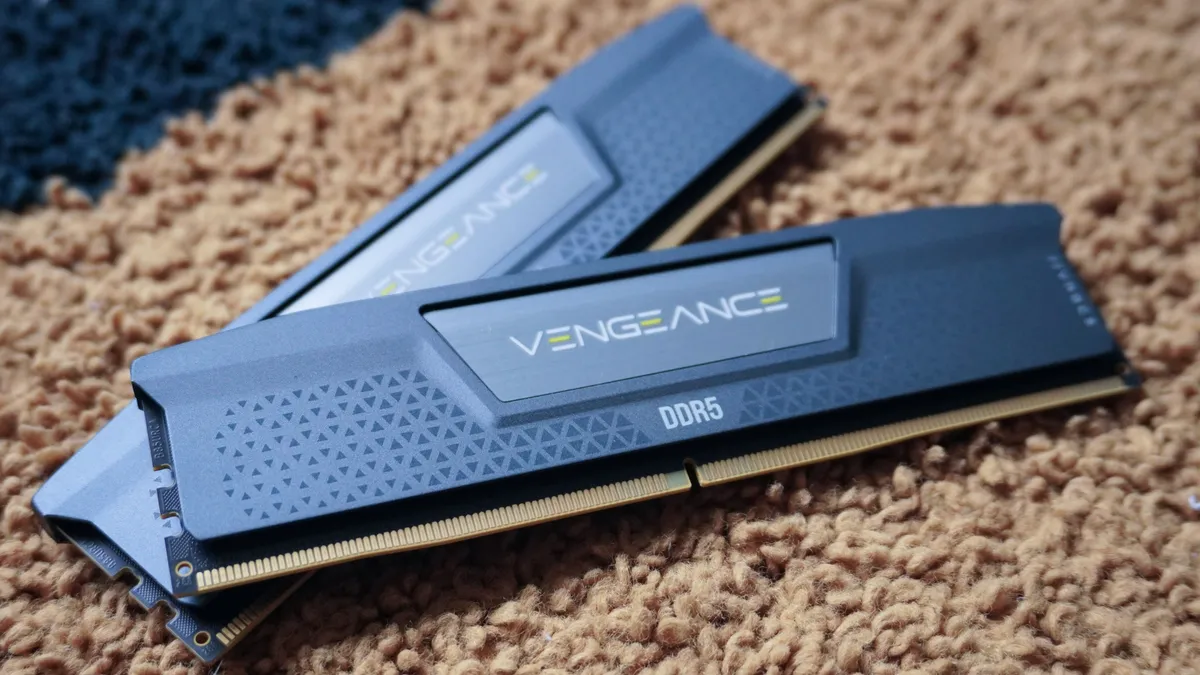
The big three memory makers — Samsung, SK Hynix and Micron — have been fighting this massive antitrust lawsuit alleging they formed an illegal oligopoly to artificially inflate DRAM prices.
Their defense was entirely predictable: they filed a motion to dismiss, claiming that their identical supply cuts were just the natural, independent reactions of companies surviving in a changing market.
And this week, Judge Noël Wise completely rejected that defense.
Judge Wise (which is a very apt last name) explicitly states that the plaintiff’s evidence is highly plausible following a staggering 500% price surge. The ruling highlighted that this wasn’t just a case of market leader leading and other following; it was a highly coordinated structural shift.
According to the court’s findings, the big three allegedly halted consumer DDR4 manufacturing and restricted general DRAM supply under the guise of an HBM (High Bandwidth Memory) data center pivot, while simultaneously adopting identical, highly unusual vetting procedures to verify end-customer demand.
Like my nephew who just got into playing Among Us says: "sus".
The Judge cited past legal precedent describing oligopolies as competitors watching each other “like hawks,” but noted this goes far beyond observation — ruling their synchronized supply starvation resembles “hawks flying in formation.” The companies now have until December 7 to officially respond to the complaint.
The circular financing house of cards
While the memory giants were allegedly fixing the RAM market, an entirely different kind of market manipulation has been allegedly happening on the GPU front.
In the fallout of former Nvidia CEO Jensen Huang’s resignation, a damning new report alleges that the AI hardware shortage wasn’t driven by insatiable demand, but by an attempt to hide a massive oversupply. According to the leaks, Huang feared that Nvidia had over-ordered from TSMC and was about to be stuck with a mountain of excess enterprise silicon.
Instead of letting the market naturally correct (which would have dropped GPU prices), it’s alleged that Huang engaged in a massive “circular financing” scheme. Nvidia used its own capital to fund smaller neocloud AI startups, effectively paying them to absorb Nvidia’s excess GPUs.

It was an artificial demand loop, convincing the broader market that the AI hardware frenzy was still booming and keeping margins astronomically bloated across the industry.
Notably, the leaks vindicate current interim CEO Colette Kress. Rather than co-authoring the shortage, Kress, in her role as CFO, reportedly viewed the circular financing practice as highly toxic, actively challenging Huang’s bets and urging him to slow down.
The RAMageddon Reset: is the crash finally here?

This is why the RAMageddon Reset matters, and why you should absolutely refuse to pay inflated prices this Black Friday.
The exorbitant cost of PC gaming in 2026 wasn’t driven by an unstoppable technological revolution — more and more, it’s becoming clear that it was driven by white-collar collusion. But that era is over.
Smuggling rings and circular financing deals are being exposed and dismantled. And now, a federal judge is forcing Samsung, SK Hynix and Micron to answer for their synchronized price gouging.
The artificial floor holding up the PC hardware market has been kicked out from underneath their feet. As these companies scramble to avoid massive federal antitrust fines and DOJ indictments, they will be forced to flood the market with the supply they have been hoarding.
Hold the line, keep your wallet closed, and watch those prices fall. My prediction is still in play.

Follow Tom's Guide on Google News and add us as a preferred source to get our up-to-date news, analysis, and reviews in your feeds.
More from Tom's Guide
- Did the AI bubble just pop? $2 trillion reality check hits Nvidia, Meta & SpaceX as Wall Street panics, signaling a potential end to RAM crisis in 2027
- Sam Altman just renamed himself ‘Ram Altman’ in U.S. Midterms aftermath — the panic is setting in, but is the AI bubble starting to crack?
- I tested the world’s largest flat super ultrawide monitor that’s like having two 27-inch screens side by side — and it’s a game changer for multitasking