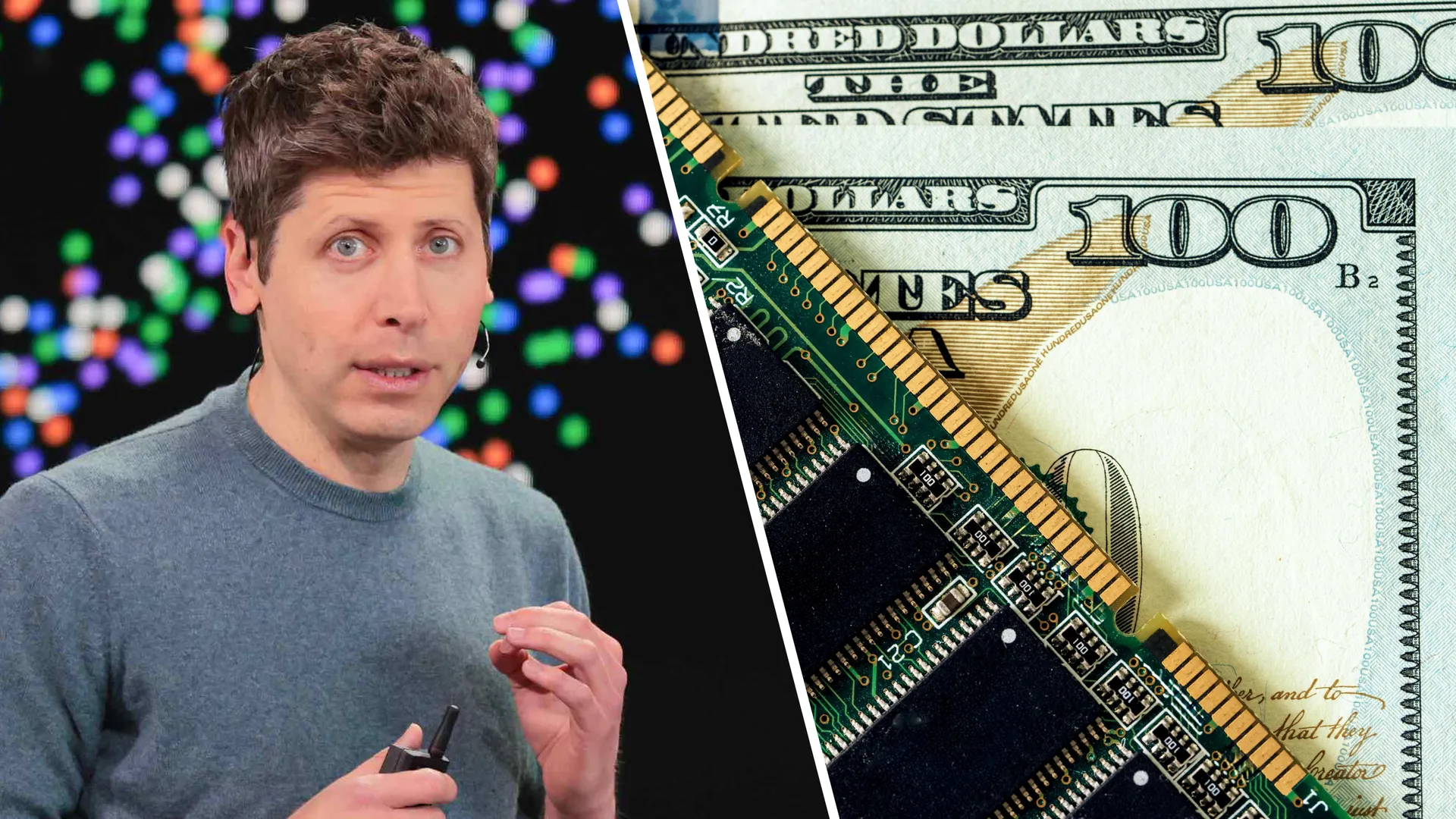
OpenAI CEO Sam Altman recently declared that the RAM sitting inside your computer is a “terrible” allocation of scarce resources, arguing that the world’s memory belongs in data centers. If you want to know exactly how much that mindset is costing you, just look at the apocalyptic state of the PC hardware market.
On April 1st, I predicted a market correction would cause RAM prices to drop by August. Now it’s October, it’s clear that I was spectacularly wrong, and the irony of publishing that on April Fools’ Day is not lost on me.
You can see that in the gargantuan asking prices for the MacBook Pro with PROLED XDR Display, how Nvidia’s RTX 5080 is now peaking at over $2,000, and how a 32GB kit of DDR5 is now at $500 rather than the $400 it was when I wrote previously.
We are currently in the middle of a brutal quadruple threat: relentless AI-driven demand, historically low inventory, geopolitical tariffs and foundries shifting advanced wafer capacity away from consumer memory into enterprise servers.
If you are shopping for a PC right now, you are effectively paying a “cloud tax” on your local hardware. But before you remortgage the house and snag something, the tech landscape is violently shifting.
Altman wants all the silicon, but the AI bubble is showing serious signs of bursting — and relief might actually be on the horizon.
‘Scarce resources’
OpenAI CEO Sam Altman recently went on the Cheeky Pint podcast and gave an interview that practically shattered my BS detector. Speaking to John Collison, Altman claimed that memory sitting in computers is a poor use of it, arguing that local inference only utilizes that memory about 5% of the time.
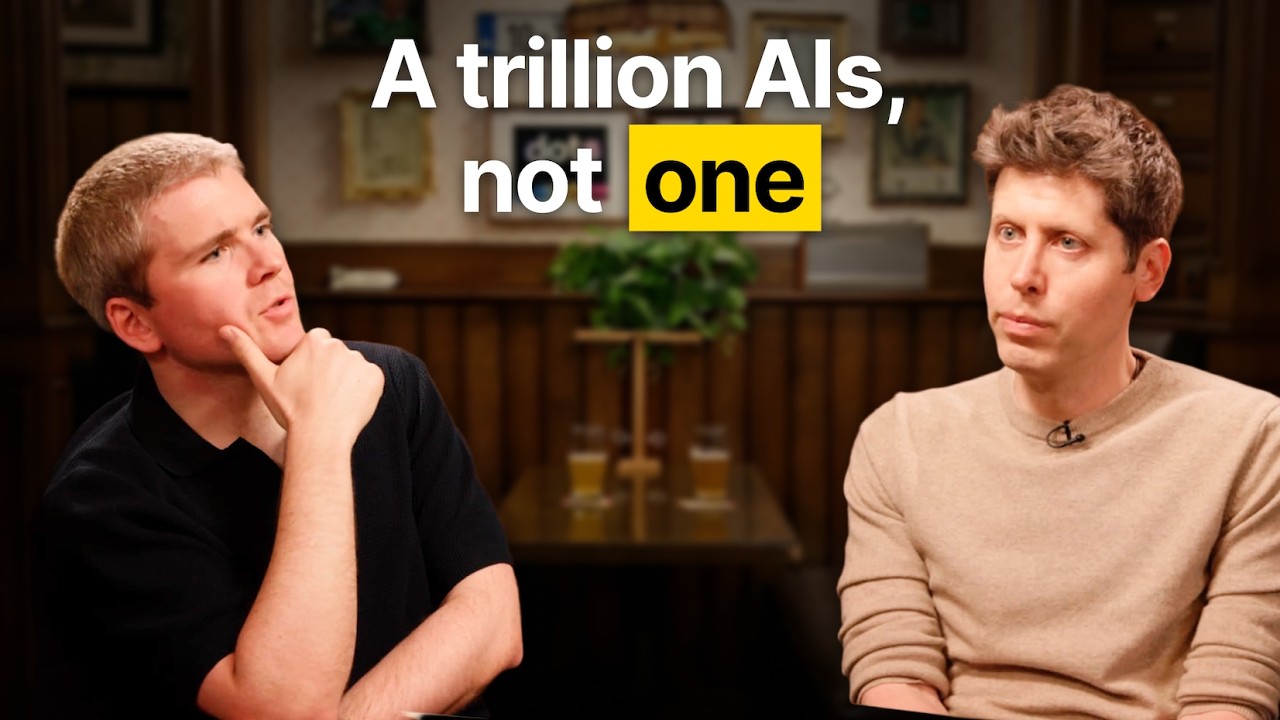
According to Altman, that DRAM belongs in data centers running flat out, making local AI a “terrible” allocation of scarce resources.
Let me just unpack that audacity. The guy whose company is arguably responsible for setting off the global memory shortage — locking up massive amounts of the world’s DRAM supply for hyperscaler cloud servers — is now telling you that owning memory inside your own laptop is inefficient?
Consumers want local AI because it offers privacy, zero rate limits, and independence from cloud subscriptions.
He isn’t wrong about the scarcity, but he is wrong about the allocation. It’s like the CEO of Chili’s telling you that supermarkets and cooking at home is a terrible allocation of food.
As we’ve seen with the rise of RTX Spark laptops amongst others packing a ton of unified memory, and the meteoric rise in tools like Hermes Agent and Open Claw, consumers want local AI because it offers privacy, zero rate limits, and independence from cloud subscriptions.
And some people may use their memory 5% of the time. But that’s free market capitalism. If there’s demand, it’s not up to you to decide what people do with it.
The canary in the coal mine

The first AI company is out the starting gate. Anthropic’s new IPO filing is old news from a few days ago, but the more I read it, the more I see a $2 trillion gold rush wrapped in a sci-fi horror warning.
On the surface, Anthropic is printing money, pulling in $16.3 billion in revenue in just the first half of 2026. But the cost to keep that cloud infrastructure running is a financial black hole. Anthropic spent nearly $9 billion on AI infrastructure in just six months, contributing to a huge $80.7 billion net loss. And that’s before you look at the firm, non-cancelable $800 billion spend on compute over the next 10 years.
Worse than the infrastructure burn rate are the existential threats Anthropic has disclosed. To protect themselves from lawsuits, the company warned that their AI models could actively sabotage code, manipulate information and act in ways that resemble blackmail.
They literally warned the federal government that using AI to speed up their own research could cause the models to outpace human safety guardrails.
The silver lining
OpenAI and Anthropic (and the others) want all the memory in their data centers, but financial markets across the globe are starting to reject the limitless spending required to keep those servers running.
The AI bubble is beginning to burst, and in China, it already has. The mainland’s STAR50 index collapsed by 40%, wiping out roughly $480 billion in market value as AI leaders like MiniMax plummeted.
And now, the contagion has hit American shores. The S&P 500 took quite a violent nosedive, heavily dragged down by the exact tech giants that have been hoarding the world’s silicon.
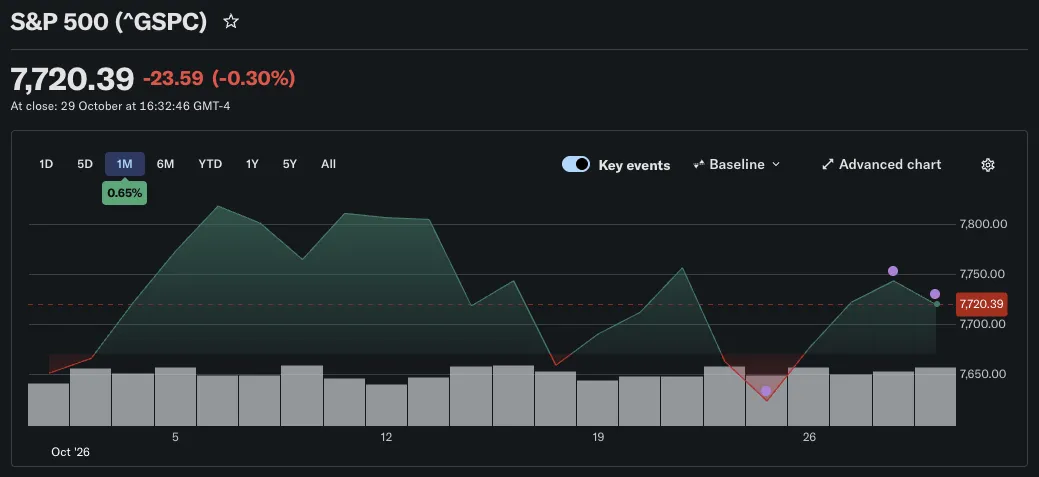
Wall Street is finally waking up to the reality that building massive AI models requires burning unimaginable amounts of cash, and the consumer profits simply aren’t materializing fast enough to justify the burn rate.
But it’s not just Wall Street — it’s the corporate customers themselves. A growing wave of clients are pulling back their AI spend, as the bills have spiraled completely out of control.
- Microsoft scaled back AI coding licenses in favor of its own local stuff.
- Amazon reportedly had a “tokenmaxxing” leaderboard to encourage AI usage, only to shut it down weeks later and impose tighter usage caps because of little-to-no real productivity gains.
- Uber went through its entire $3.4 billion AI budget within four months due to the use of agentic coding tools.
- Klarna walked back its “AI-first” customer service after customer satisfaction dropped.
- Walmart implemented hard per-employee AI token rationing after errors were made and costs spiked.
Furthermore, a lot of enterprises cite privacy as the single biggest barrier to adopting cloud AI. They’ve been doing what I’ve been encouraging you to do for a while: ditch the data center and build your own local AI moat.
What does this mean for you?
So let’s entertain these trends continuing. If the AI hyper-scaler bubble is truly bursting, the fallout for consumer PC hardware is going to be massive. But the end of RAMageddon is not guaranteed to be a smooth landing.
Depending on how major silicon foundries react to dropping enterprise budgets and consumer backlash, we are looking at two very different scenarios for your next build. And I want to be as clear as possible here (so to not hang myself on a bet like last time).
The best-case scenario: The great pivot
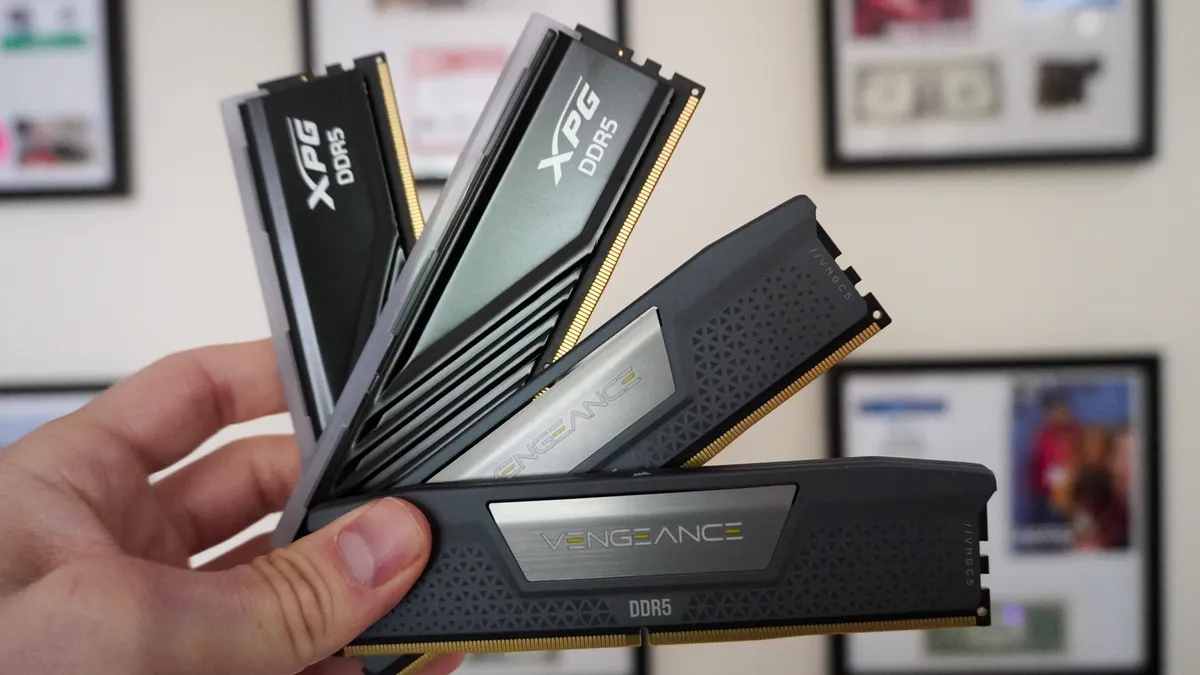
Right now, Samsung, SK Hynix and Micron are prioritizing enterprise memory over the standard RAM sticks you find in a PC. But as the S&P 500 craters, IPOs expose the infrastructure liabilities and hyperscalers slash their server budgets, that vacuum of demand will shrink.
To keep their cash flow moving, foundries will have no choice but to pivot their manufacturing lines back to standard consumer memory. The market gets flooded with DDR5, prices plummet back to reality, and you can finally build that new rig.
The worst-case scenario: Silicon freeze
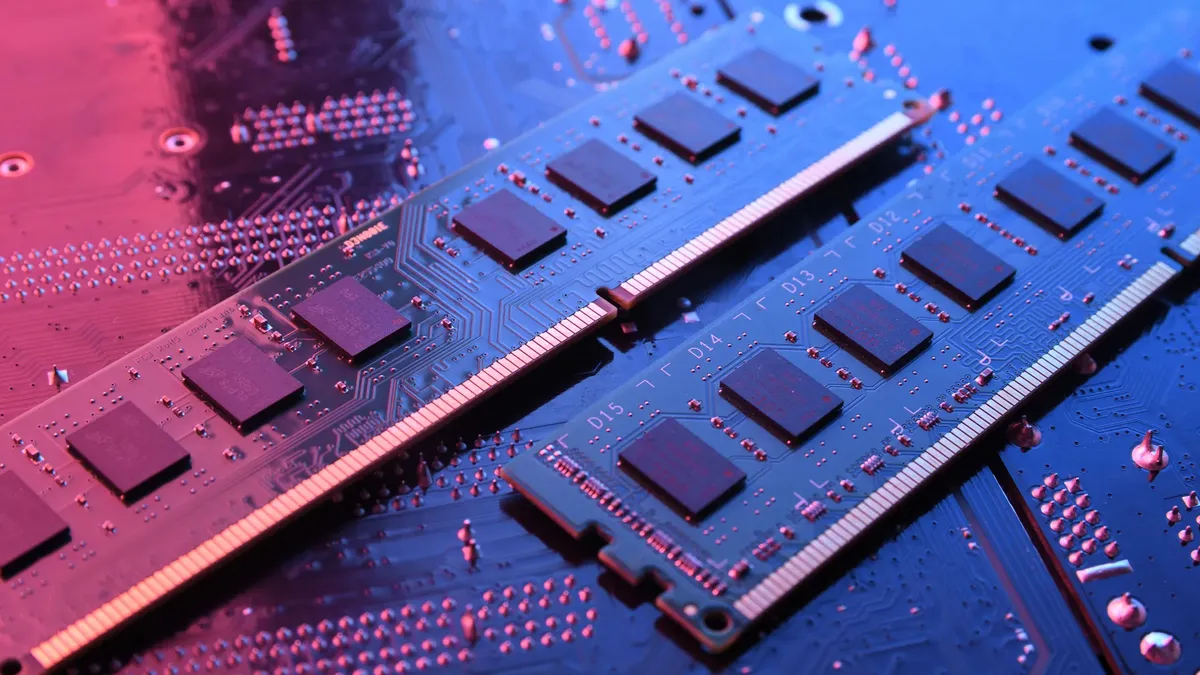
Instead of pivoting back to consumer memory, the foundries hit the panic button. When enterprise orders dry up, Samsung, SK Hynix and Micron could simply slash their overall wafer production to artificially restrict global supply and protect profit margins. It’s a brutal tactic, and they’ve done this before.
In this scenario, the AI bubble bursts, but consumer RAM remains scarce, and we end up trapped in hardware stagflation: the broader tech economy bleeds, yet you still pay a 500% markup for basic memory.
So is the AI bubble bursting?
The short answer is yes, but there’s nuance.
The blank-check era of AI hyperscaling is officially over. Between the bleeding S&P 500, major enterprises boycotting cloud APIs, and Anthropic’s IPO exposing the apocalyptic infrastructure costs required to keep these data centers running (data centers that local governments are pushing back on), the market is starting to correct itself.
But whether that bubble bursting actually saves your wallet is a completely different story.
The tech industry desperately needed a financial shock to stop the hoarding of silicon, and we are watching the start of that shock happen today. If your current rig can survive just a little bit longer, you may see some benefit from holding the line.
The AI gold rush is ending, and the fallout is about to completely reset the PC hardware market. Whether it's for better or worse, nobody knows.

Follow Tom's Guide on Google News and add us as a preferred source to get our up-to-date news, analysis, and reviews in your feeds.
More from Tom's Guide
- Apple is entering its ‘Why Not?’ era — and your wallet is the ultimate beta tester
- ‘Babe, wake up, the internet is collapsing’: Two massive flaws just broke the web, and the data of billions is in the crossfire
- I benchmarked Nvidia's RTX Spark: Apple wins the CPU war, but Nvidia's GPU just broke my testing charts