It's no secret that phones have been pretty stagnant for the past several years. In fact, the last time phones started doing something truly original was eight years ago, when the first foldable phones hit the scene, and even that was an exception rather than the norm. Incremental updates are just part and parcel of the phone industry.
In recent years, phone companies have been trying to offer a different solution: AI.
Rather than offering major upgrades to the phones themselves, it's all about the newest AI features and capabilities that are on offer. While I will be the first to admit that software is just as important as hardware, it's starting to feel like phone makers are using AI as a crutch to cover for their own weak upgrades — and I'm rather sick of it.
Considering flagship phones cost several hundred dollars, and over a thousand in many cases, we need more than just a few more flashy AI-centric features that may or may not be useful.
Overreliance on AI is lazy
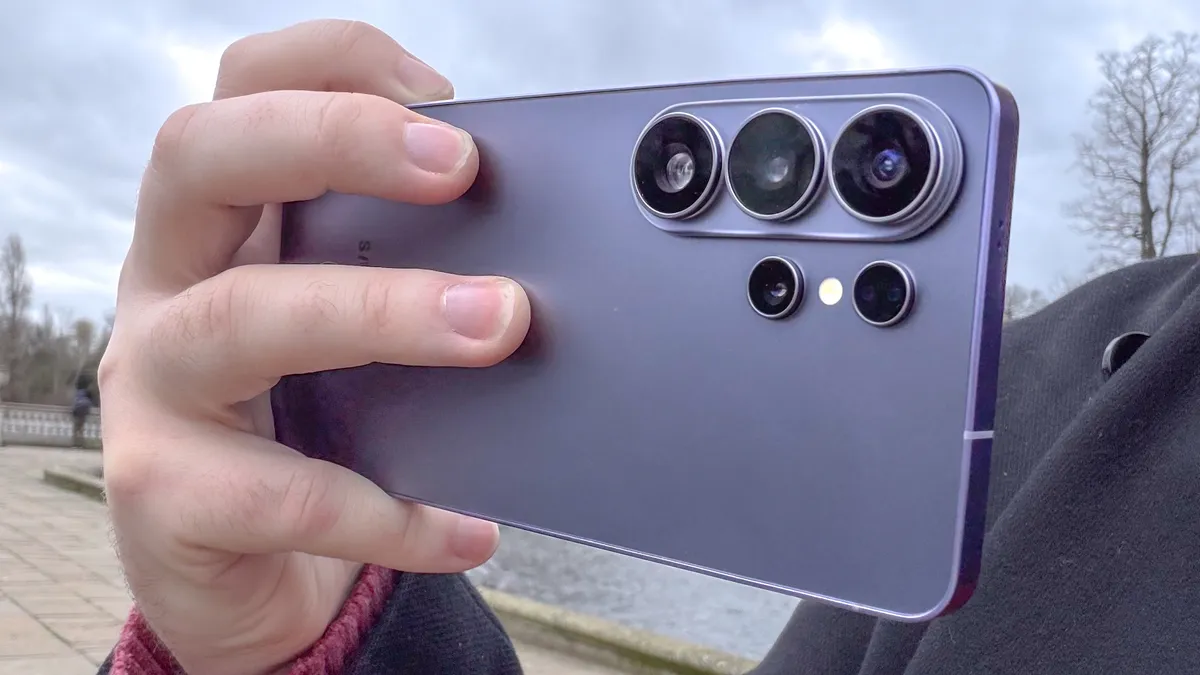
Yes, I get it, having a strong AI means the features on your phone are bigger and better than they otherwise could have been. In theory, features like Samsung Now Nudge or Google Lens wouldn't be as effective if there weren't an AI model working in the background to analyze all the relevant data and figure out exactly what the user wants and needs.
But this doesn't change the fact that AI seems to be the only thing any phone company is willing to talk about right now. The emphasis does not seem to be on making better phones; it's about filling them up with as many AI features as possible at the expense of other advancements.
Take, for instance, the Samsung Galaxy S26 Ultra. It is, without any doubt, one of the best phones you can buy right now. But its hardware hasn't changed all that much from the Galaxy S25 Ultra that was released last year. The biggest upgrades are the addition of the Privacy Display and the increased wired and wireless charging speeds. But everything else? The differences are so minor that the majority of people won't notice any difference.
The same was true of the Pixel 10 Pro. The phone did come packing Qi2 wireless charging, complete with full magnetic support; the rest of the phone is only marginally different from the Pixel 9 Pro. The camera quality is identical, battery life has barely improved, and the Tensor G5 is honestly not that impressive.
What both these phones have in common is how much their respective makers invested in the additional AI features. There were a lot of them, too, ranging from 100x Super Res Zoom to a more advanced Circle to Search. Potentially very useful things to have on your phone, but they aren't exactly major selling points. Certainly not when the hardware itself hasn't really improved by all that much.
AI features rarely stay exclusive for long
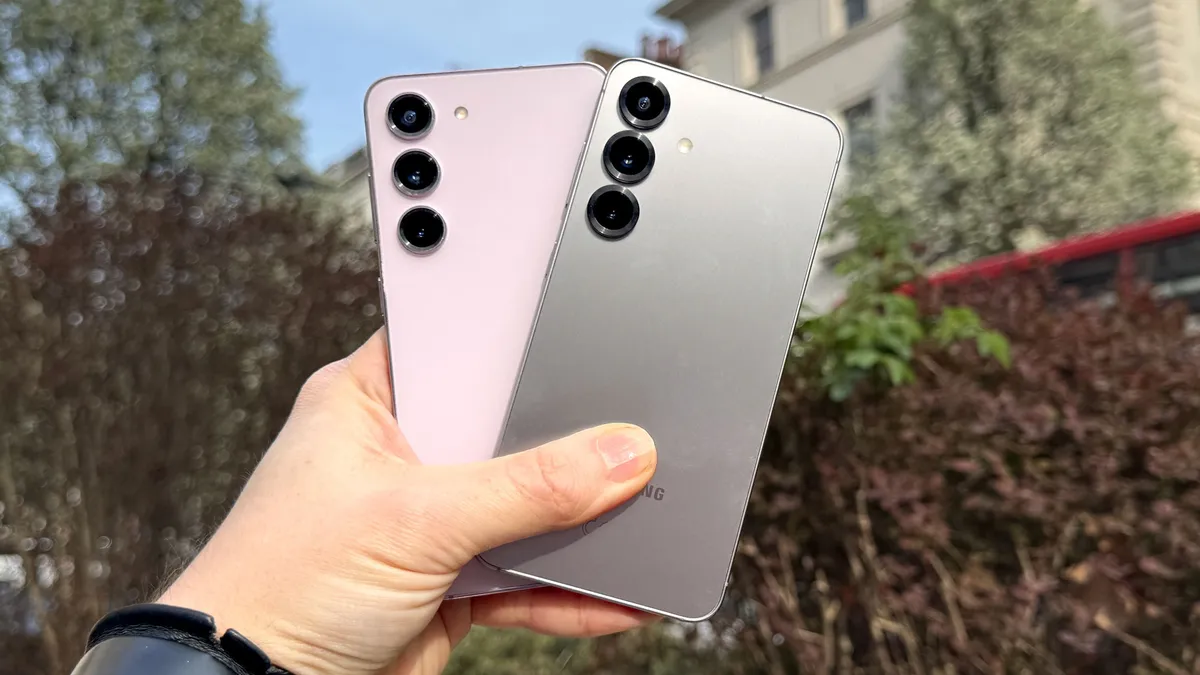
It's also worth noting that AI features that arrive on new phones have a habit of working their way back to older devices as well. There are limits to this, and there are AI features that require a certain kind of hardware to function properly — such as Siri AI's Expressive Voice feature, which is only available if your iPhone has at least 12GB of RAM.
But there have still been plenty of instances where older devices get access to new AI features. Often, that means there's some sort of wait, but if you're patient, you will still get some, if not all, of the newest AI features on an older device.
Samsung's One UI 8.5 update is a good example of that, removing Galaxy S26 exclusivity from a bunch of AI features like Call Screening, Creative Studio and Audio Magic eraser. That allowed older devices, notably the Galaxy S25, to gain access to those features with a delay of just three months. Some features took a little longer to arrive, such as Priority Notifications and File Summaries, which landed as part of a security patch just last month.
I'll admit, some of the biggest features like the more advanced Circle to Search and Now Nudge are still exclusive to Galaxy S26 phones, so backward compatibility is never fully guaranteed. But if there's a precedent for bringing new AI features to older devices, then instigating an AI-first policy on future models may not be the success phone makers hoped it would be.
AI has limits, and RAMageddon proves it

The other big problem with hedging all your bets on AI is that we're starting to see exactly how much of a financial cost that has. It doesn't matter whether AI features are designed to run on your device or through a cloud server; they rely on a specific level of hardware to operate.
The problem is, the ongoing AI boom means that this hardware has suddenly skyrocketed in price, and that means the price of your phone has to increase to offset the extra costs. So far, the smartphone industry hasn't been hit too hard by these effects, but we have still seen a variety of price hikes — such as those affecting the Galaxy S26 Plus and Galaxy S26 Ultra.
On top of that, we have seen Apple raise prices on its computing hardware, and all the predictions point to price hikes on the iPhone 18 Pro and iPhone 18 Pro Max when they arrive in September — and could rise as high as $200 as a result. All because the cost of RAM and storage is now significantly more than it was a year ago, because of the demand caused by the recent AI push.
Suddenly, phone companies have a choice: either increase the price of their devices and risk the wrath of their customers, or downgrade the hardware and limit the on-device AI capabilities. It's very much a no-win situation, caused in part by the emphasis on creating "AI phones" and focusing on artificial intelligence above all else.
Bottom line: Phones need to be a good mix of everything

I go to a lot of events featuring new phones, including some of the biggest phone launches of the year. The one common factor they all have is the dominance of AI, especially in the premium models. I've never made any secret of my general dislike for AI, especially on phones, but the fact it keeps stealing so much focus really grinds my gears.
Can including AI make your smartphone experience better? Absolutely. Whether it's using computational photography to improve camera performance or adding various editing tools that fix those bothersome issues with the final product, there's definitely a place for AI on your phones. But it shouldn't come at the expense of everything else.
AI may be the new hip trend in the tech industry, with every company trying to capitalize in any way it can, but it shouldn't come at the expense of everything else. What I'm saying is, I'd like to see phone companies start to emphasize more than just how much AI they can cram into their phones with each passing upgrade. I want phone makers to start caring about the hardware these devices are packaged into, and how they can make it better with each passing year.
I'm sure plenty of other people will agree that being asked to pay hundreds of dollars for a brand-new phone is more palatable if you can actually see the improvement over your existing model.

Follow Tom's Guide on Google News and add us as a preferred source to get our up-to-date news, analysis, and reviews in your feeds.
More from Tom's Guide
- I just got both my battery packs confiscated at a Chinese airport, and I wish I’d known about this one thing before flying
- Samsung Galaxy S27 Pro and Ultra tipped for an iPhone-like camera upgrade that'll massively improve selfies
- Apple finally threw Android users a bone with this new iOS 27 photo feature — here's how