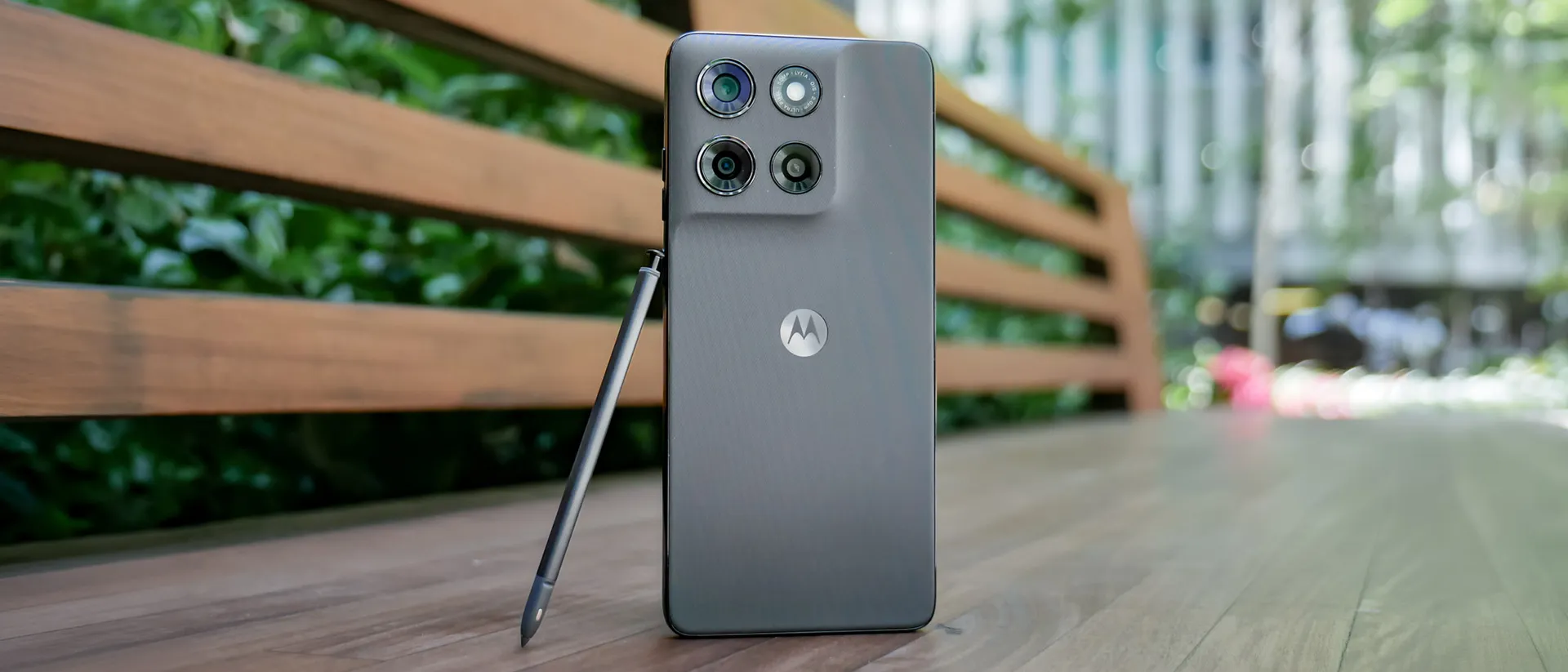
Tom's Guide Verdict
The Moto G Stylus (2026) elevates the series with a premium active stylus and flagship-grade durability, making it a unique productivity tool in the mid-range space. It gets a $100 price hike, but the generous accessory bundles justify it.
Reasons to buy
- +
Active stylus upgrade
- +
Accessories included with the purchase
- +
Rugged design
- +
Fluid 120Hz refresh rate
- +
Cameras work well in good lighting
Reasons to avoid
- -
Low light camera performance struggles
- -
Choppier gaming performance
Why you can trust Tom's Guide Our writers and editors spend hours analyzing and reviewing products, services, and apps to help find what's best for you. Find out more about how we test, analyze, and rate.
For the past few generations, the Moto G Stylus lineup has remained an attractive option under $400. However, this year’s model sees a $100 price hike, bringing the cost to $500. That’s a steep 25% increase compared to its predecessor, which is a significant jump for this category.
Despite the markup, the Moto G Stylus (2026) gains a more functional active stylus that responds to pressure and tilt, along with new AI-powered productivity tools. It clearly gives off Galaxy S26 Ultra vibes, but at a fraction of the cost.
After spending a week with it, I'll show you why this is one of the best cheap phones (despite its price) in my full Moto G Stylus (2026) review.
Moto G Stylus (2026) review: Specifications
Starting price |
$499 |
Screen size |
6.7-inch AMOLED (2712 X 1220) |
Refresh rate |
120Hz |
CPU |
Snapdragon 6 Gen 3 |
RAM |
8GB |
Storage |
128GB, 256GB |
Expandable |
Yes, microSD up to 1TB |
Rear cameras |
50MP (f/1.8) main, 13MP (f/2.2) ultrawide |
Front cameras |
32MP (f/2.2) |
Battery Size |
5,200 mAh |
Charging Speed |
68W wired, 15W wireless |
Size |
6.38 x 2.94 x 0.33 inches (162.15 x 74.78 x 8.29mm) |
Weight |
6.78 ounces (192.3 grams) |
Colors |
Pantone Coal Smoke, Pantone Lavender Mist |
Moto G Stylus (2026) review: What I like
More functional stylus
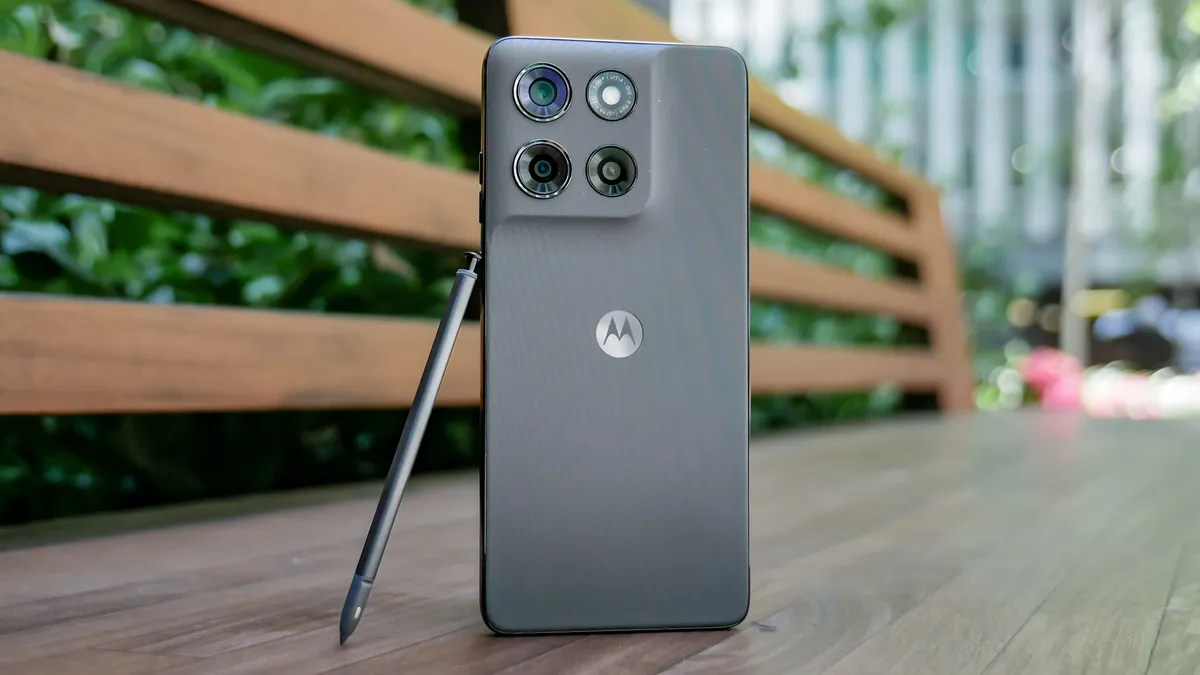
The headline upgrade this year is the transition from a passive pointer to a truly active stylus, which completely transforms the writing experience. It's no longer just a basic tool with uniform sensitivity because it now feels much like the S Pen in the Galaxy S26 Ultra by offering both pressure sensitivity and tilt detection.
As a result, this upgraded stylus finally feels like a legitimate pencil, producing lighter strokes when I gently glide it over the display and deeper ones as I press more firmly against it.
Furthermore, it’s a lot smarter, too, with AI-powered productivity tools at my disposal — like Sketch to Image and Circle to Search — that make the stylus feel like a core part of the software rather than an afterthought.
Solid build quality
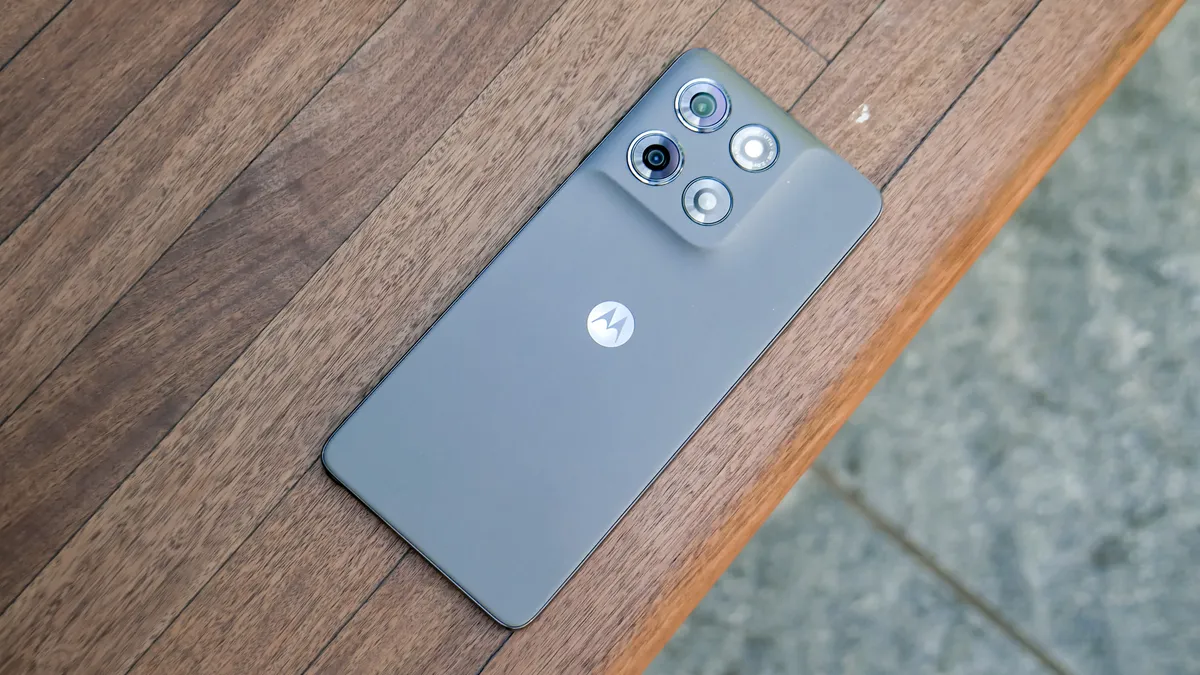
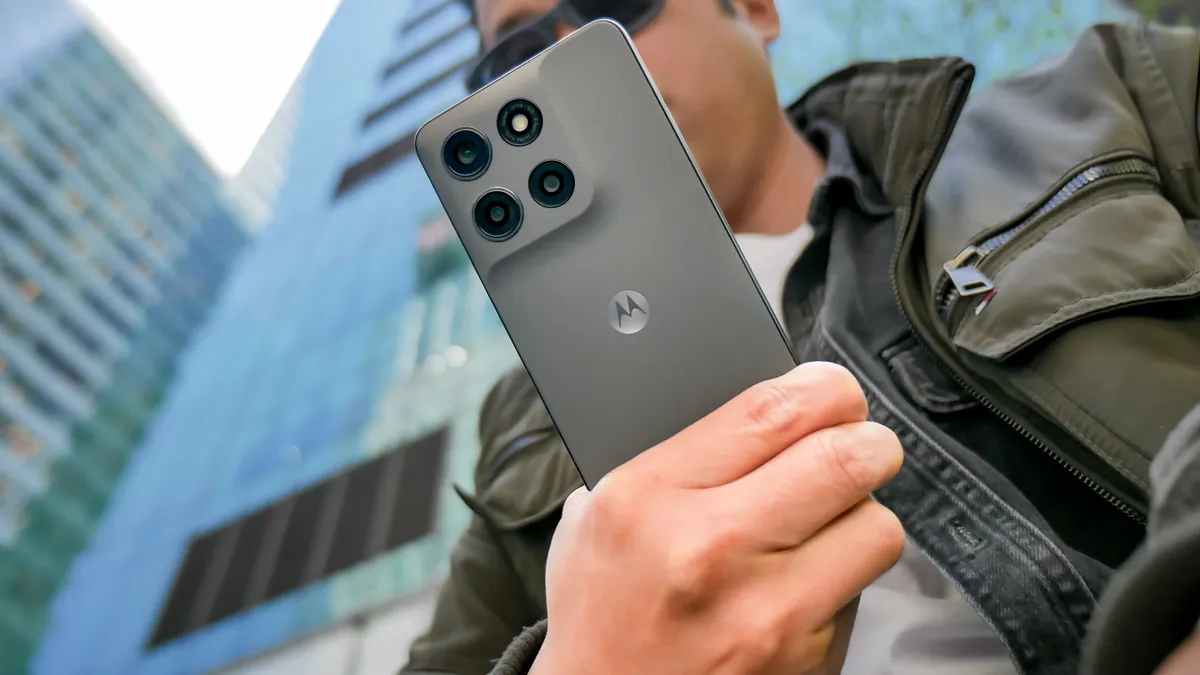
While it doesn’t deviate wildly from its predecessors, the design of the Moto G Stylus (2026) feels incredibly polished for a mid-range phone. It’s a stark departure from the typical metal-and-glass constructions, but I’ve really come to love the vegan leather back. The textured finish makes it much easier to grip while doing a far better job of repelling scratches and fingerprints.
On the durability front, it features Corning Gorilla Glass 3 and impressive IP68/IP69 ratings, making it resistant to both immersion and high-pressure water jets. While I’m usually anxious about accidental drops, the addition of MIL-STD-810H military-grade protection gives me a lot more confidence that it can handle a tumble onto the pavement.
Snappy looking performance
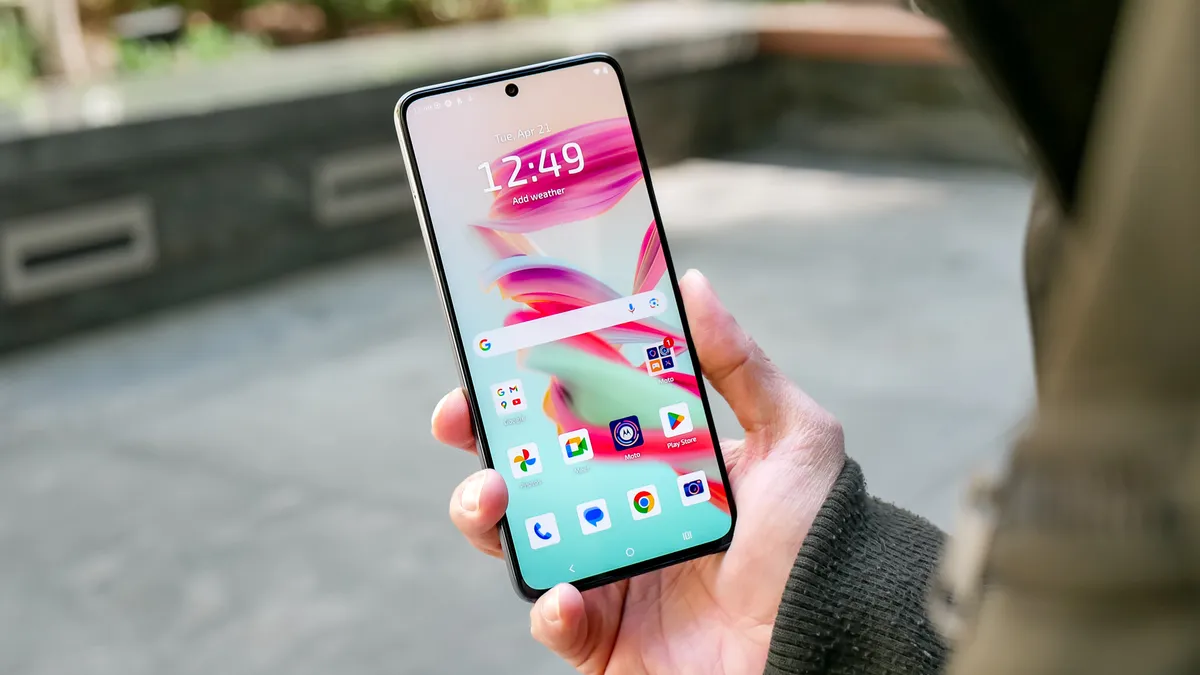
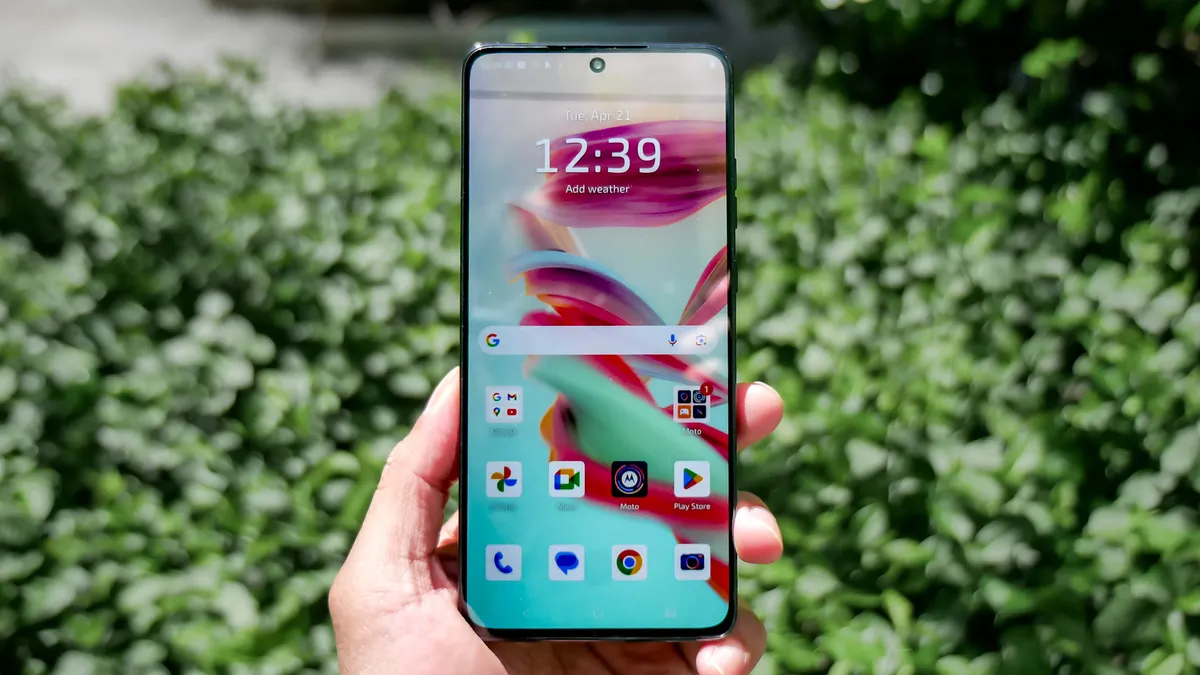
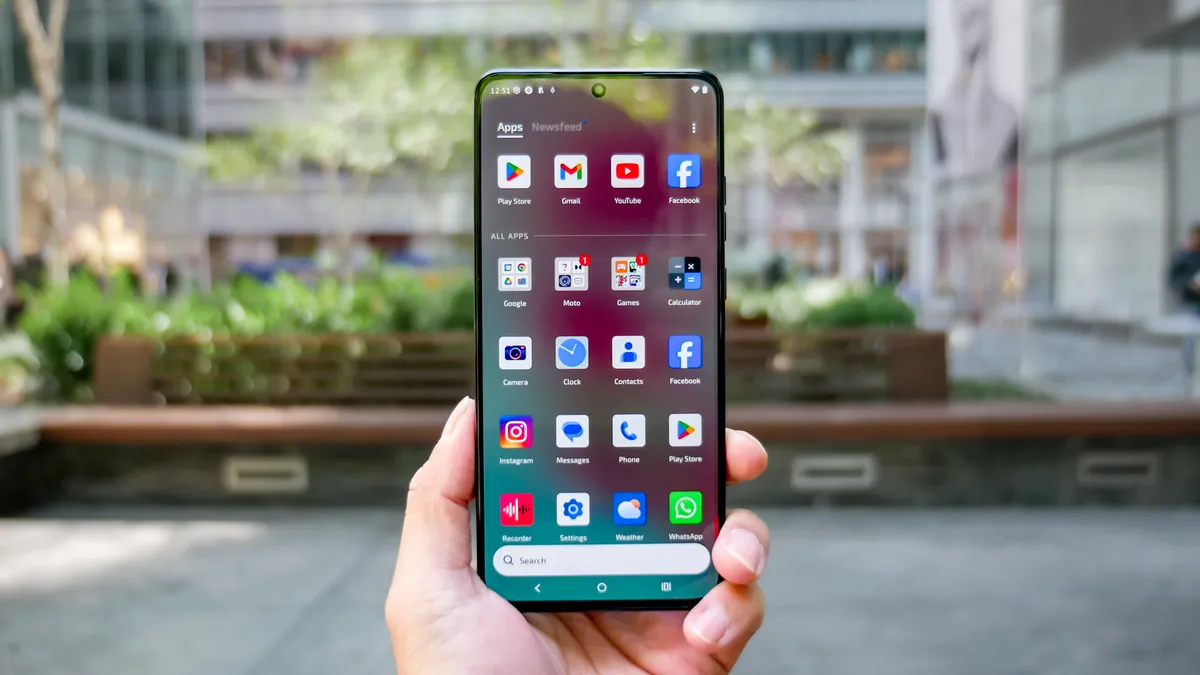
I have to admit, the 6.7-inch AMOLED is plenty big for enjoying my favorite apps, but the 120Hz refresh rate is what truly helps the phone feel snappier than what the synthetic benchmarks suggest. In the display settings, I set it to Hyper Smooth so that it operates at 120Hz as consistently as possible.
The results speak for themselves. Navigating the interface and home screen feels effortless. Despite turning in Geekbench 6 single and multi-core scores of 1,011 and 3,042, respectively, its real-world performance feels much faster than those numbers imply. Not only do apps open immediately, but scrolling through long web pages looks incredibly fluid.
Cameras perform well under ideal conditions
















Despite the four cutouts on the back, the Moto G Stylus (2026) actually packs two rear cameras: a 50MP main shooter paired with a 13MP ultrawide. Flip it over, and there’s a 32MP selfie camera on the front.
I like the performance of all three cameras when conditions are ideal — specifically, outdoor shots with plenty of light. If you look through the gallery above of the photos I captured around New York City, you’ll see how the main sensor produces sharp detail in these skyscraper shots. I'm also impressed by the dynamic range, which consistently manages to properly expose both the bright and dark areas within a scene.
However, I'd shy away from using the zoom for anything greater than 5x.
Packaged accessories offset higher price
This year’s model sees a $100 price hike, which is staggering considering the previous model retailed for $399 at launch. However, Motorola is attempting to justify this increase by bundling accessories that are genuinely useful — and it's compelling.
If you choose the 128GB model, you get a pair of Moto Buds 2 Plus and a 4-pack of Moto Tags. Normally, these retail separately for $149 and $99, respectively, so you’re essentially getting $248 worth of gear for a $100 premium.
That said, I’d actually recommend stepping up to the 256GB storage tier because for $599, you get the complete ecosystem package, which includes a Moto Tag, Moto Buds Loop, and Moto Watch.
Moto G Stylus (2026) review: What I don't like
Gaming performance struggles
It’s clear that the Snapdragon 6 Gen 3 isn’t suited for heavy gaming. I’ve frequently seen the action crawl during intense on-screen moments. Its 20.33 fps average in 3DMark’s Wild Life Unlimited test is significantly more sluggish than what I've seen from other mid-rangers. It comes as no surprise that this lack of power translates directly into real-world performance in titles like Age of Origins and Diablo Immortal.
Camera struggles in low light







While it can capture delightful-looking shots when the lighting is good, the Moto G Stylus (2026) struggles significantly in low light. This is particularly disappointing given that it features a dedicated Night Vision mode.
This mode uses a longer exposure, which should, in theory, gather more light to better expose the scene. However, that isn’t the case here because the shots above clearly come out looking dark and dim.
Battery life could be better
| Row 0 - Cell 0 | Moto G Stylus (2026) |
Google Pixel 10a |
iPhone 17e |
Battery size |
5,200 mAh |
5,100 mAh |
N/A |
Battery life (Hrs:Mins) |
12:36 |
15:16 |
12:35 |
Recharge % (15 mins) |
41% |
31% |
31% |
Rechrge $ (30 mins) |
76% |
64% |
59% |
Despite packing a hefty 5,200 mAh battery, the Moto G Stylus (2026) falls slightly flat in the Tom’s Guide battery test, reaching an average time of 12 hours and 36 minutes in its Smart and Balanced mode. While it improves to an average of 13 hours and 10 minutes in Efficiency First mode, that comes at the cost of a lowered refresh rate.
Even though it was able to get me through a full workday without a mid-day top-off, I’ve often seen it dip below 15% capacity by the time I’m hitting bed — whereas other phones with superior battery life are often comfortably above 25% at the end of the day. However, it's nice having 68W charging that gets it back to a decent level in a short amount of time.
Moto G Stylus (2026) review: Verdict
The Moto G Stylus (2026) might have been bitten by the price hike bug, but at $499, it remains an attractive mid-range option that gains significant new functionality with its active stylus.
While the Pixel 10a boasts superior software and AI integration, the Moto G Stylus holds its own with a robust Android 16 experience. This includes seamless side-by-side app multitasking, Moto’s Smart Connect features that deliver a PC-like desktop experience, and the same reliable Google Gemini tools I’ve come to depend on.
There are compromises to consider, specifically the shorter battery life and sluggish gaming performance. It isn’t a perfect all-rounder, but the generous accessory bundles make it a compelling value for anyone looking to jumpstart their next upgrade with a complete ecosystem.