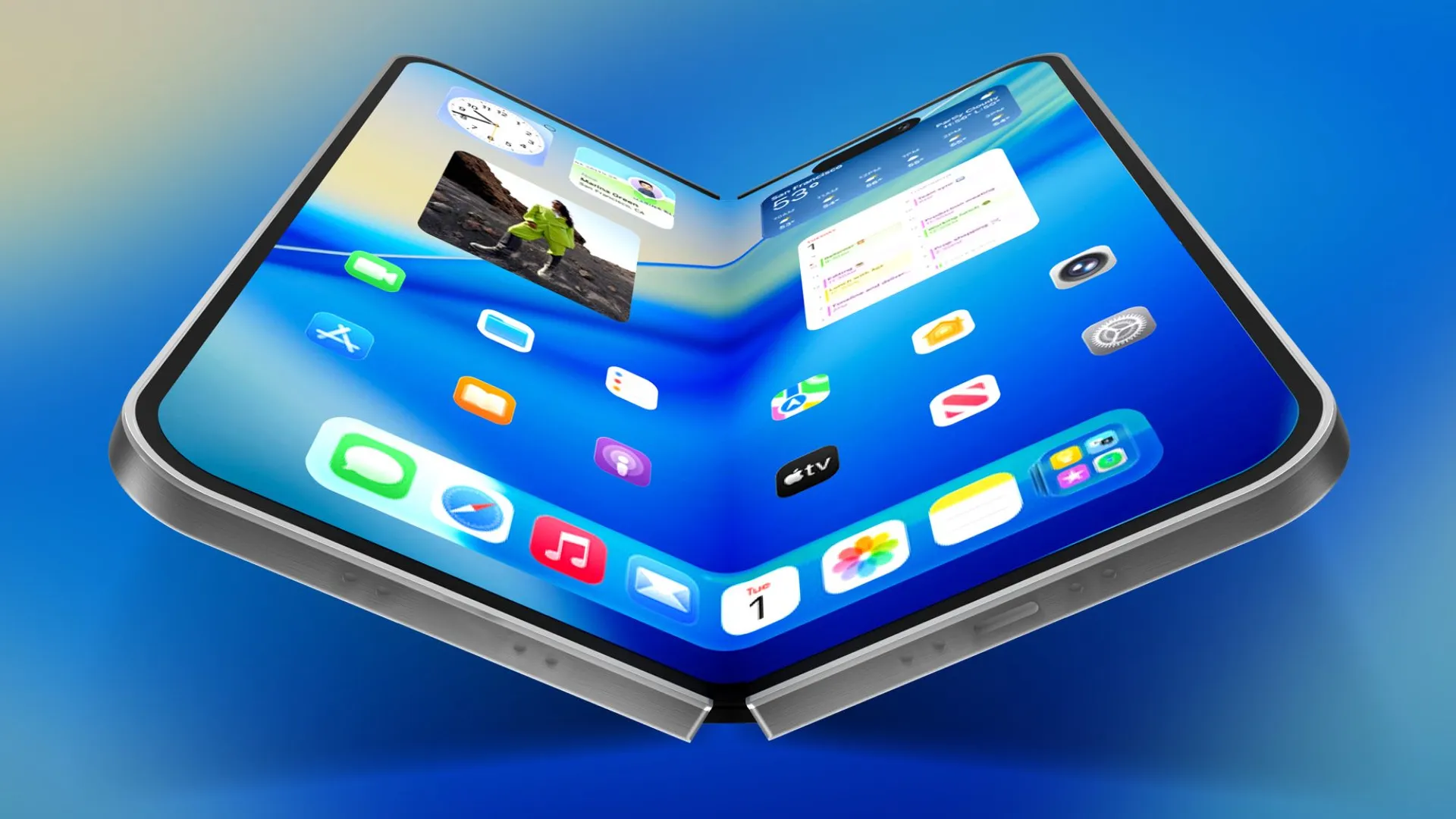
The iPhone Fold (aka iPhone Ultra) is set to be a huge deal when it arrives later this year, but the elephant in the room is that Apple is rather late to this particular party. The first foldable phone went on sale in late 2018, and Samsung will have just released its eighth generation of foldables by the time Apple releases its first.
Needless to say, Apple is going to have to pull out all the stops if it wants the iPhone Fold to be a success. With a rumored $2,000+ price tag, Apple can't just lean on the novelty of a foldable iPhone to help drive sales. But, according to Mark Gurman at Bloomberg, Apple will be focusing on four key selling points: Durability, performance, the crease-free display and the fact that the Fold unfolds to offer a larger iPad-style display.
I've already been vocal about my doubts about Apple focusing too hard on the display crease, or lack thereof. But the other three focuses are things Apple is already well known for, which means it can push that experience on potential customers in a way they understand.
The iPad effect
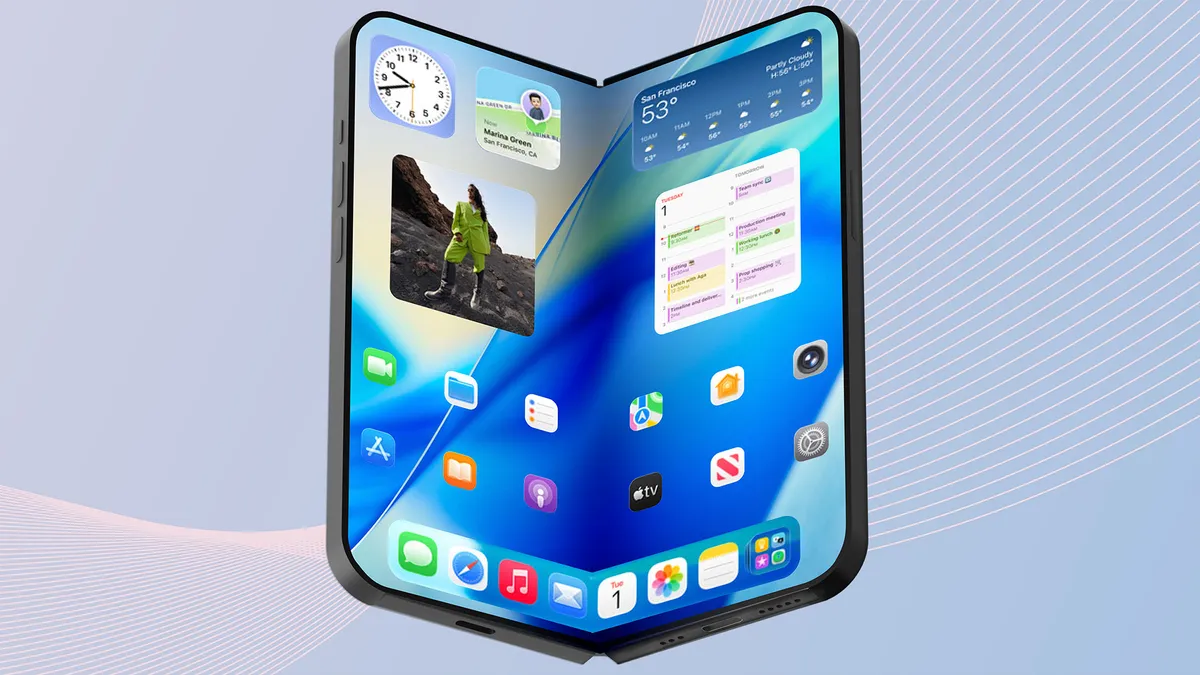
Foldable phones may not be a new idea, but it doesn't change the fact that every single one of the best foldables we've seen so far runs on Android. Plenty of iPhone owners would refuse to make that switch, regardless of the design.
A foldable iPhone means foldables will be available to those people, but the key is making sure they actually understand what they'd be buying.
Saying 'it's an iPhone with an iPad inside' is a short and sweet description that will automatically resonate with buyers.
An iPad focus is arguably the simplest way to explain what an iPhone Fold has to offer: It's an iPhone that you can open to access a larger iPad-size screen. The interior folding screen is rumored to be 7.8-inches in size, which is almost as large as the 8.3-inch iPad mini 7 on paper.
Granted, the iPhone Fold is set to have a fairly unique design, with shorter and wider measurements than other iPhones. This means that the folding screen is probably going to be smaller than an iPad in terms of its overall footprint. But that isn't likely to matter, because Apple has a history of consistently offering the best tablets money can buy.
Whether you agree with that assessment is irrelevant. You'll be hard-pressed to find someone who doesn't know what an iPad is, and Apple is uniquely positioned to capitalize on that brand awareness to sell foldable phones.
Telling someone that a Galaxy Z Fold 8 is a phone and a Galaxy tablet rolled into one device is only going to lead to more questions. Sure, you could call it a tablet, but that probably isn't going to have quite as much impact as saying "it's an iPhone with an iPad inside." It's a short and sweet description that will automatically resonate.
I just hope that Apple finally lets go of that now-obsolete Steve Jobs commandment that smartphones and the stylus should not mix. If Apple is going to focus on the iPad angle when marketing the iPhone Fold, it should offer Apple Pencil support as well.
Durability and performance are Apple's bread and butter

The durability of foldable phones has improved since the early days when Samsung had to postpone the Galaxy Fold launch at the last minute. It was a very high-profile embarrassment for Samsung and was the worst possible way to release a brand-new kind of phone. If anything, it put the idea into customers' heads that foldable phones were weak and fragile.
As for how many people still have that mindset, I can't be certain. But considering how fragile smartphones are already, there will no doubt be a vocal group of people who are concerned about the kind of damage that may be accidentally inflicted on the $2,000 phone.
Especially when you consider that the iPhone Fold is supposed to be the thinnest iPhone ever made, and may be over a millimeter thinner than the iPhone Air. Folks were (rightly) concerned that the iPhone Air could lead to another Bendgate scenario before launch, and Apple went on the offensive to quell those fears before they could take hold.
I assume Apple will take a similarly offensive approach with the iPhone Fold, especially in the wake of scratchgate and the durability issues faced by iPhone 17 Pro. This approach should also consider the strength of the foldable screen, which is not likely to have the same level of damage-protection that Ceramic Shield 2 offers to non-folding displays.
As for performance, Apple can simply lean on all the good faith it's built up with the last several generations of devices. Whether you're looking at an iPhone, iPad or Mac, Apple's chips are among the best options available. That's in terms of raw computing power and power efficiency, even if graphical performance often lags behind flagship Snapdragon chips.
Though I do wonder whether Apple needs to put any particular emphasis on performance when it comes to iPhone Fold. iPhone launch events always focus on chips and performance, and a foldable launch isn't likely to change that. That is, unless Apple has a 'super' A20 chip prepared for the dual-screen device — one that can actually outperform the standard A20 Pro coming to the iPhone 18 Pro.
At $2,000, who knows how effective this will be?
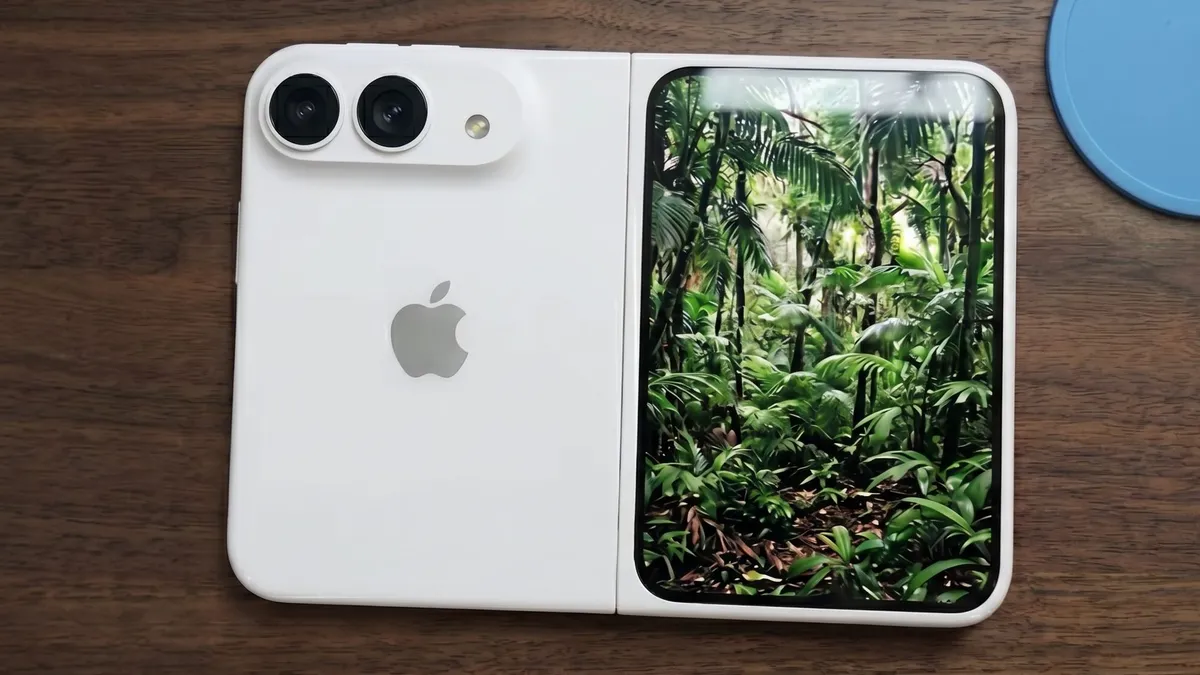
The real question is whether Apple's approach with the iPhone Fold will actually convince people to part with $2,000. It's a lot of money to spend on any device, even if it does combine the iPhone and iPad into a single gadget, and it's not like people are particularly flush with cash right now.
All the marketing in the world won't change the fact that this price tag may be too much for a lot of people to justify — even if they split it into installments. There's a difference between convincing people that your device is worth having and actually being able to convince them to pay for it.
Just look at the Apple Vision Pro, and the sheer number of units that got returned right before the returns window closed. All the marketing and advanced technology couldn't change the fact that the headset was just too expensive for ordinary people. And I worry that the iPhone Fold might suffer some of the same issues.
The difference with the iPhone Fold, though, is that Samsung has already proved that there is a market for $2,000 foldables with the excellent Galaxy Z Fold 7.

Follow Tom's Guide on Google News and add us as a preferred source to get our up-to-date news, analysis, and reviews in your feeds. Subscribe to Tom's Guide on YouTube and follow us on TikTok.
More from Tom’s Guide