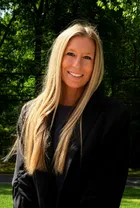
If there’s one thing the AI boom has made clear, it’s that your face, voice, and identity are now federally protected assets. While superstars like Taylor Swift and Matthew McConaughey are leading the charge with sound trademarks, their 'legal shield' strategy is becoming the new survival guide for all of us in the age of deepfakes.
Tools that once required studios and technical expertise can now clone voices, generate realistic images and mimic personalities in minutes. While celebrities like Taylor Swift often become the headline when AI likeness concerns surface, the bigger story is what this means for all of us. Because you don’t need to be a global celebrity to have something worth copying.
If you post videos online, run a business, host a podcast, teach classes, create content or simply share your life publicly, your voice and image may already be part of the data economy. AI systems are trained on publicly available information, and impersonation scams are becoming more common.
That means protecting your identity online is no longer just a celebrity problem. It’s quickly becoming an everyday one.
Why voices are suddenly valuable
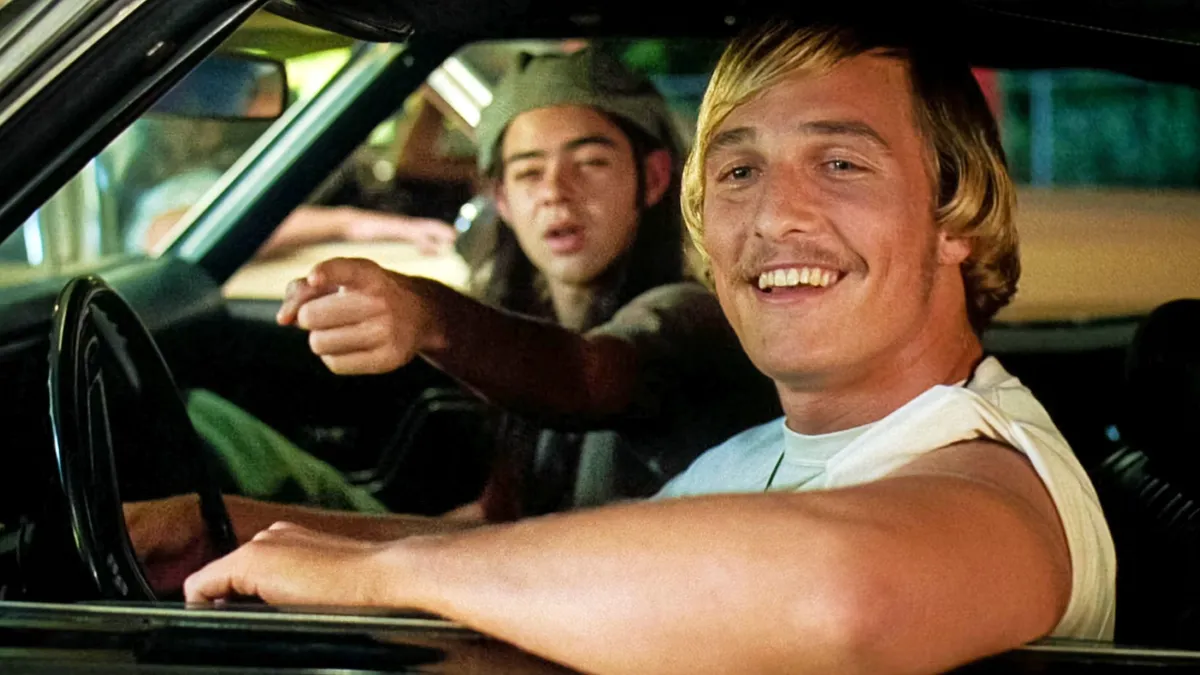
A voice used to be personal, but now it can also be data. AI tools can analyze tone, pacing, pronunciation and speech patterns to generate eerily realistic copies.
Some tools are used for legitimate purposes like accessibility, dubbing or narration. But the problem is, when voices are misused for scams, fake endorsements or impersonation.
We’ve already seen growing concern over AI-generated celebrity voices, fake robocalls and cloned family-member scams. As the technology improves, the line between real and synthetic keeps getting harder to spot.
That’s why the next phase of online safety may focus more on identity signals.
What Taylor Swift represents in the AI era

Celebrities often become the first battleground for new technology because their likeness has clear commercial value. Taylor Swift’s latest move leans heavily on the precedent set by the ELVIS Act, the first law of its kind to declare war on unauthorized AI voice cloning.
Not just for celebrities; it’s a 'humanity-first' law that protects everyday creators from identity theft. As the Tennessee Governor’s office explains, the law effectively puts a 'digital padlock' on your voice, acknowledging its immense value in our new synthetic economy."
Whether it’s fake songs, unauthorized images or misleading endorsements, stars like Taylor Swift highlight a larger issue of who actually owns a voice, face or recognizable identity online. Even for those of us without multiple Grammys or worldwide name recognition, we still have rights. The problem is, the enforcement speed. For "regular people" like you and me, getting platforms to remove fake content can be tougher, and that might more than owning a trademark. The lesson for us is that if identity has value at the highest level, it has value at every level.
Simply put, your reputation, trust and authenticity matter too.
How to protect your voice and image right now

The good news is, you don’t need a legal team to start taking smarter steps today. Here are a few ways to keep yourself safe to stop scams before they start.
- Audit what’s public. Search your name online. Check what videos, podcasts, photos and bios are publicly accessible. You may be surprised how much material exists that could be copied or scraped.
- Lock down old accounts. Unused social profiles, abandoned YouTube channels and forgotten public pages can become weak spots. Update passwords, enable two-factor authentication and remove outdated content where possible.
- Use official branding consistently. If you run a business or create content, keep usernames, profile photos and bios consistent across platforms. That makes fake accounts easier to spot.
- Inform family about voice scams. One of the fastest-growing threats is AI-generated calls pretending to be a loved one in distress. Create a family safe word or verification question now. Doing so can prevent panic later.
- Watch for fake endorsements. If you see your image, voice or name used in ads or suspicious posts, report it immediately through the platform.
The takeaway
The faster you act, the better. You don't have to be an influencer to have your voice cloned or manipulated so it's important to start protecting yourself now. We’re entering a world where proving something is real is getting more difficult every day.
This applies to everyone from celebrities to small business owners or really anyone with online presence. In other words, nobody is turly safe. The growing value of identity in a world where machines can imitate almost anyone is scary. Have you ever been a victim of voice cloning or know someone who has? Share your thoughts in the comments.

Follow Tom's Guide on Google News and add us as a preferred source to get our up-to-date news, analysis, and reviews in your feeds.
More from Tom's Guide
- I let Gemini scan my messy fridge photos to plan my meals — and I saved $150 this month
- I asked ChatGPT to use Charlie Munger’s ‘Inversion rule' to rethink my goals — and it beat every productivity app
- I asked ChatGPT to use Elon Musk’s ‘Relevance Rule’ to fix my memory — and I’m never going back to notes