When the first rumors surfaced about the iPhone Air, I was filled with enthusiasm about its official reveal. I truly thought it would recapture the essence of memorable releases like the original iPhone, iPhone 4, and iPhone X. To even put the iPhone Air in the same conversation as those iconic phones is significant, but six months later, my sentiments are a mixed bag.
In that span, I’ve used the iPhone Air to discover if it has what it takes to be the best phone around. Since its release I've tested more than a handful of other devices, including the iPhone 17e that I think complicates things for Apple.
While the initial allure of an ultra-thin and light iPhone was exciting, I’ve realized that I need something more than just aesthetics. Here’s what I really think about the iPhone Air.
Thinness is no longer premium

As its name implies, Apple loves to tout the fact that the iPhone Air is the thinnest iPhone ever. Measuring just 5.64 mm at its thinnest point, it's a remarkable feat of engineering that deserves praise — but thinness alone no longer defines a premium device. For reference, the iPhone 17 and iPhone 17 Pro measure 7.95 mm and 8.75 mm, respectively. This makes the iPhone Air roughly 30% thinner than its siblings.
Unfortunately, the wow factor of that thinness has long since faded. While those who haven't seen the phone in person are still intrigued by the design whenever I show them the phone, they're often surprised by how much density remains within that slim frame. They aren’t wrong to feel that way because despite its thin profile, the iPhone 17 and 17 Pro are only 17.1% and 19.1% heavier than the Air.
I would have loved for Apple to take a different approach: shrinking the phone’s overall footprint while maintaining its thinness. I realize battery life would be adversely impacted, but it’s a compromise I’d be willing to accept for a truly unique device.
I’m okay with the short battery life

Speaking of battery life, it’s one of the compromises the iPhone Air makes — but it’s one I’m perfectly okay with. The iPhone Air gets me through an eight-hour workday, and when I’m out and about, I usually have a portable charger on me to provide the extra juice needed to reach the finish line.
It’s certainly no endurance champ like the OnePlus 15, which holds the record for the longest-lasting phone ever tested at Tom’s Guide with a time of 25 hours and 13 minutes. That really puts things into perspective when compared to the 12-hour and 2-minute runtime of the iPhone Air. However, it's worth noting that the standard iPhone 17 averaged 12 hours and 47 minutes.
While I would’ve loved to see faster wired charging, reaching 55% capacity in 30 minutes is still plenty fast for me. What I’m trying to get at here is that I’m the kind of person who is happy to let their phone charge for a bit. Unless you’re incredibly pressed for time, you don’t necessarily need ultra-fast charging.
But a premium phone shouldn’t just have one camera

Above all, I still cannot get over the single rear camera. After years of being so accustomed to dual and triple camera setups, going back to a single lens is too much of a compromise for me.
Don’t get me wrong, the 48MP rear camera takes exceptional shots — just as good as the iPhone 17 Pro’s, in my opinion. If you want photos that look great regardless of the conditions, you won’t be disappointed. In my experience, it’s just as much of a master of low light as its pricier siblings.
Then again, a single rear camera inherently puts the device at a disadvantage by offering less utility than the average phone. What stings even more for me is that it essentially occupies the same position as the cheapest new iPhone.
The iPhone 17e complicates things


On several occasions, I’ve pointed out how the iPhone Air’s price point puts it in an awkward position. You can spend $100 more and get the iPhone 17 Pro, or pocket $200 by choosing the iPhone 17. However, the factor that truly complicates the iPhone Air’s value is the recent launch of the iPhone 17e.
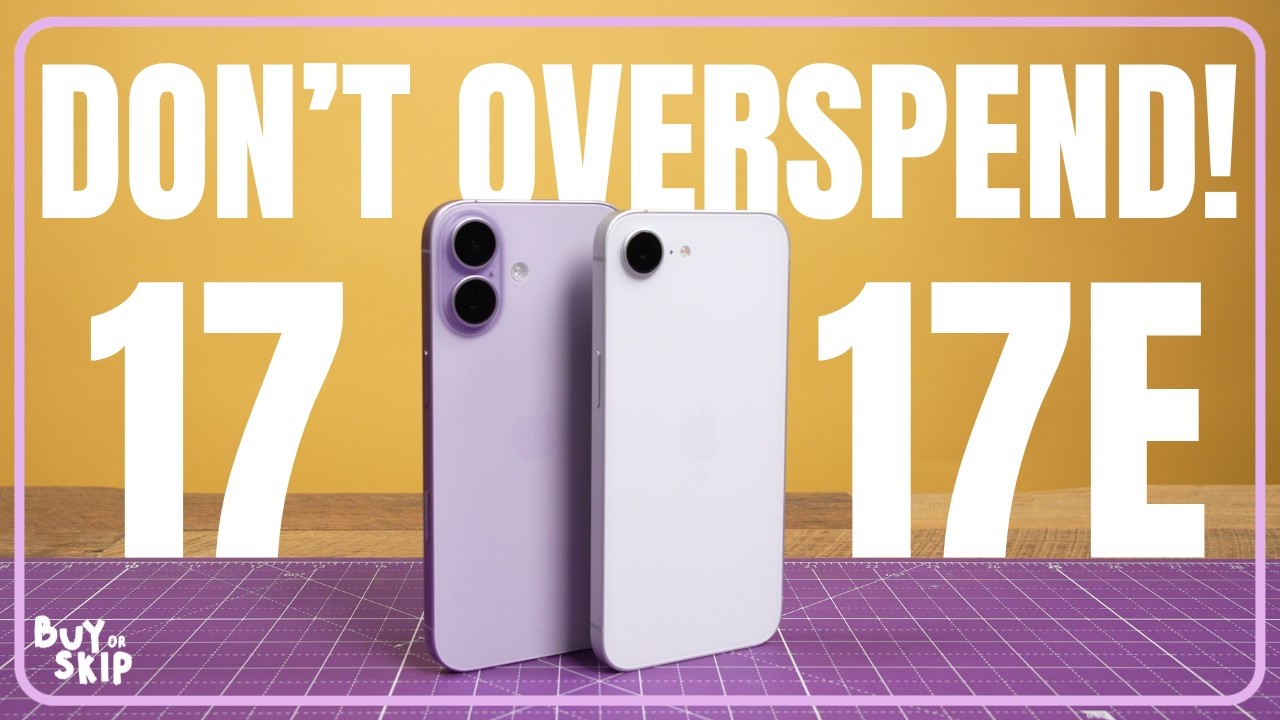
Apple’s most affordable new iPhone commands a $599 price tag — a full $400 less than the iPhone Air. While there are noticeable differences between them, the similarities are striking. For example, the iPhone 17e features the same 48MP rear camera, complete with the same aperture. And just like the iPhone Air, the 17e is impressively capable in low light.
Then there is the battery performance, which is actually slightly longer on the 17e. If that wasn’t enough, the iPhone 17e finally gains MagSafe wireless charging. You get nearly the same level of utility out of the iPhone 17e for $400 less. That speaks volumes and really exposes how a thin-and-light design doesn't carry as much weight in this day and age.
Bottom line

Knowing what I know now, it’s really tough to recommend the iPhone Air — and Apple needs to go back to the drawing board. I really thought it was going to be one of those era defining devices, just like the original iPhone, iPhone 4, and iPhone X before it, but it fails to captivate me in the same way.
Perhaps its successor may have better luck? But it’s going to need some serious upgrades to convince people it’s worth the money beyond just a thin and light design. There have been plenty of iPhone Air 2 rumors floating around, including one that suggests it may be delayed indefinitely. If that’s the case, I hope Apple takes it back to the drawing board and really give us a thin and light model worthy of its price.

Follow Tom's Guide on Google News and add us as a preferred source to get our up-to-date news, analysis, and reviews in your feeds.
More from Tom's Guide
- Samsung just made its 2026 Mini-LED TV lineup official, but one popular TV won’t be returning this year
- Android Auto is broken for Samsung Galaxy S26 and Pixel owners after latest update
- Samsung confirms Galaxy S26 Ultra display includes 'some variation' in quality when it's held at different angles — even with Privacy Display off