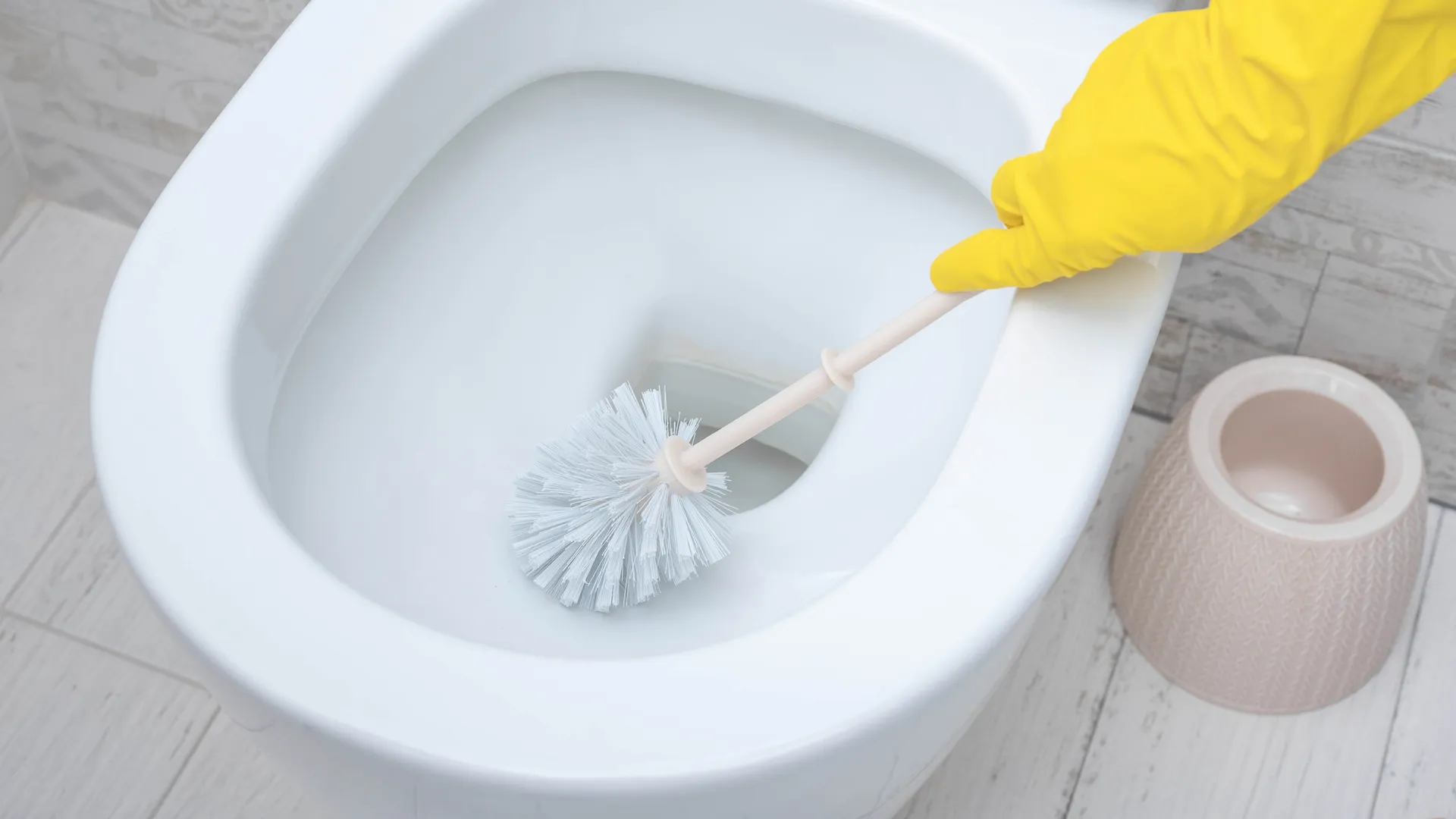
There’s no getting around the fact that your toilet brush has a tough job, and although it’s used alongside toilet cleaning solutions, it can quickly become a breeding ground for germs in your bathroom.
You can extend the life of your toilet brush by regularly giving it a hygienic deep clean, but even if you keep on top of toilet brush maintenance, you should still replace it at least once a year, if not every six months or sooner.
With the help of Isabella Flores, Cleaning Expert and Professional Organizer at Sparkly Maid San Diego, I take a deep dive on how often you should replace your toilet brush, signs it needs replacing, how to keep it clean, and the best toilet brushes to buy.
How often should you replace your toilet brush?
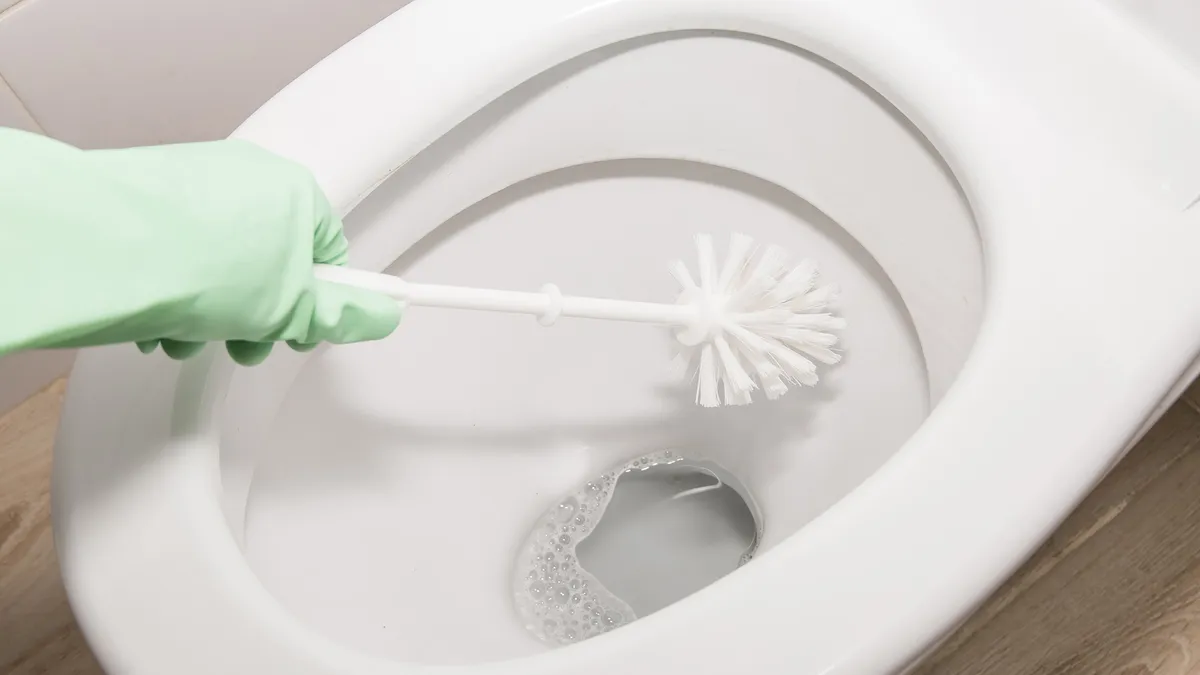
“If you’re merely rinsing your brush periodically and never performing a thorough disinfecting clean, it is recommended that you replace your brush every three months,” says Flores.
“At this point, bacteria accumulate so quickly within the bristles and holder that you’re essentially reintroducing a large bacterial load into your toilet every time you use your dirty brush.”
You might think that three months seems excessive, but Flores says this timeframe should be shortened even further in houses with multiple people sharing the same bathroom or in families with members whose immune systems are compromised.
However, if you clean your toilet brush regularly, you help to extend its lifespan. “On average, for a user who properly maintains their brush after each use and disinfects it weekly, a good lifespan is six to twelve months," she says.
Replacement should be made when visible evidence exists that the brush has reached unacceptable standards.
5 signs your toilet brush needs replacing
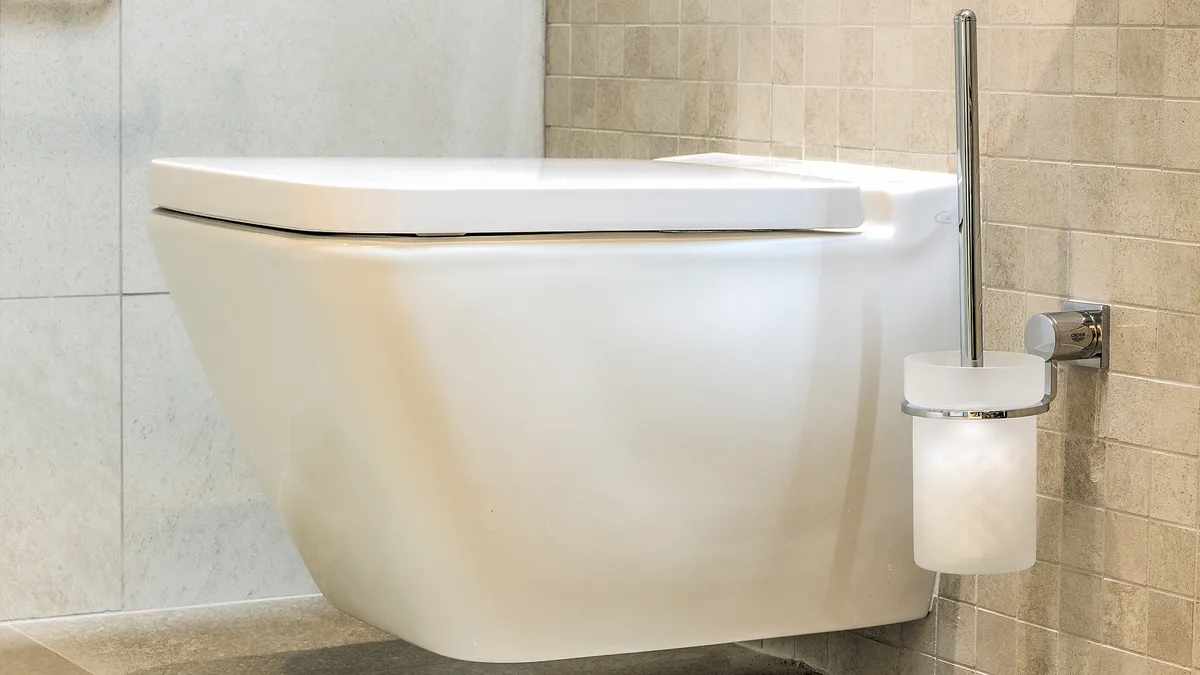
1. Check the bristles
“The most obvious indicator is the condition of the bristles,” says Flores, “If the bristles are twisted, frayed, loose, or aligned in a particular direction, the brush has become structurally unsound and will no longer function as intended.
2. Does it shape up?
If your brush has become flat, it will only spread debris and not remove it. It will also make it more difficult to clean your toilet bowl.
3. Is it stained?
Flores also explains that persistent discoloration indicates staining that cannot be removed even after a thorough cleaning. “Bacteria have attached themselves deeply within the bristles and can only be fully addressed through replacement.”
4. Does it smell?
“Odors that linger after cleaning indicate similar issues," says Flores. “A well-maintained brush should not have odors. If it does, the bacterial load in the bristles has exceeded acceptable levels and replacement is required."
5. Can you see mold?
Visible mold or mildew anywhere on the brush or in the holder requires immediate replacement. Your brush has now gone beyond a deep clean to revive it.
Best ways to clean your toilet brush
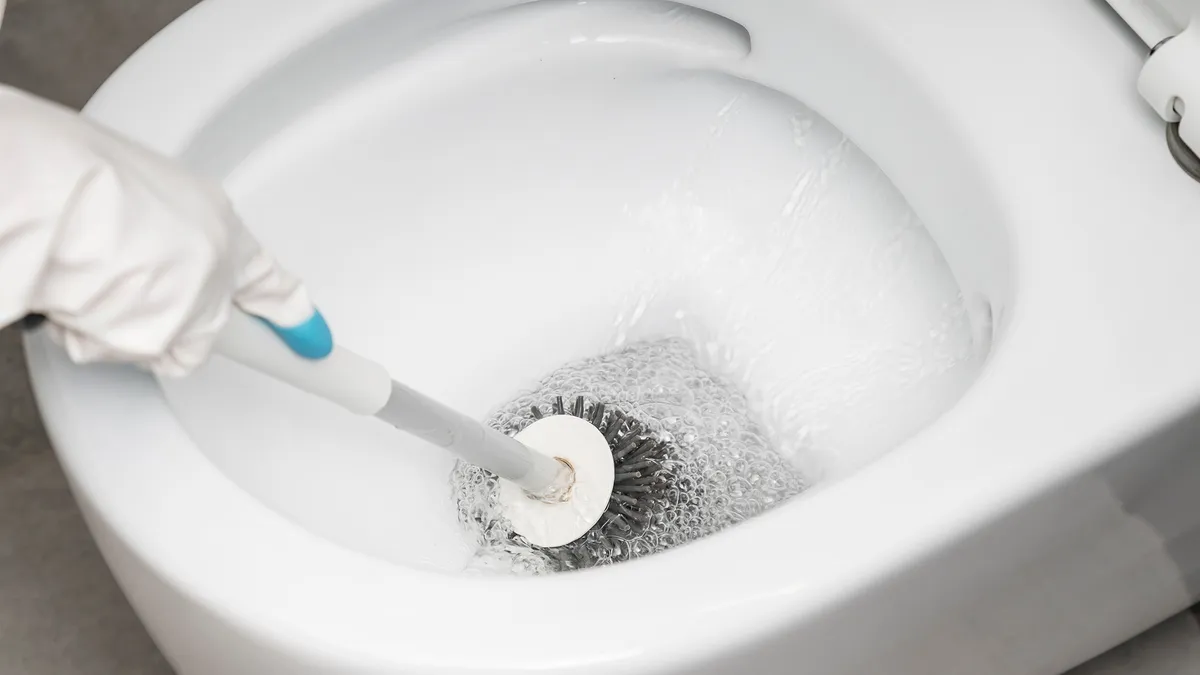
Flores recommends giving your toilet brush a weekly deep clean and suggests following one of the three methods below.
Bleach and soak
Place hot water and a small amount of bleach in a bucket, submerge the brush and holder, allow them to soak for at least one hour, and rinse both items thoroughly under hot running water. Allow them to air-dry completely before assembling.
Spray with disinfectant
After rinsing the brush immediately following each use, spritz it heavily with a disinfectant such as Lysol or hydrogen peroxide, turn it so that all sides of the bristles receive equal coverage, allow it to hang and dry over the bowl, and then return it to the holder when completely dry.
Soak in vinegar
If you prefer not to use harsh chemicals, Flores recommends soaking your toilet brush in white vinegar for 30-60 minutes. The brush should then be rinsed and left to air-dry
Although she warns, “Do not combine bleach and vinegar as they produce toxic chlorine gas and can be hazardous in a confined space such as a bathroom.”
Don’t forget
Apart from giving the brush a deep clean, Flores says don’t forget the holder “to ensure that any accumulated water and bacteria at the base of the caddy (just as much as on the brush) are regularly cleaned".
What type of toilet brush is best?
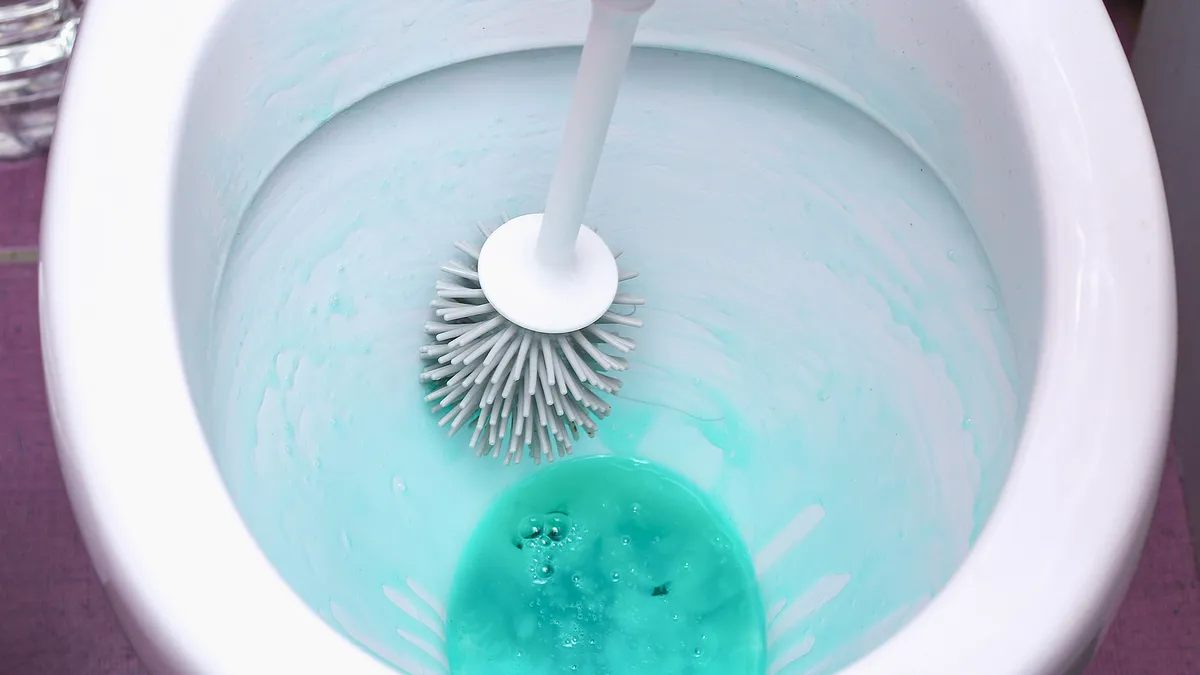
Flores explains that silicone brushes now possess hygiene benefits over traditional nylon and plastic-bristle brushes: “Silicone is non-porous, making it incapable of absorbing bacteria, oils, and organic matter, as plastic bristles do.”
What’s more, silicone dries significantly faster than plastic, reducing exposure to microorganisms during periods of drying. And it can endure more aggressive disinfectants, such as boiling, which plastic brushes wouldn’t survive. If it’s time for you to replace your toilet brush, Flores advises opting for one like OXO’s Good Grips Compact Toilet Brush and Canister, $20 at Amazon. My personal preference is Joseph Joseph’s Flex Lite Silicon Toilet Brush, $22 at Amazon.
Whether you prefer a silicon or a bristled brush, Flores says you should also consider the style of holder. “Open containers or holders with slotted ventilation provide a better opportunity for brushes to dry between uses and ultimately reduce bacteria accumulation more effectively than sealed containers retaining moisture.”
Toilet cleaning essentials we love

Follow Tom's Guide on Google News and add us as a preferred source to get our up-to-date news, analysis, and reviews in your feeds. Subscribe to Tom's Guide on YouTube and follow us on TikTok.
More from Tom's Guide