Having spent time growing and caring for your tomatoes, watering, fertilizing and pinching them out as needed, you’re bound to be disappointed if those luscious smooth fruits you were expecting look out of sorts.
But there could be a good reason your tomatoes are misshapen, with deep crevices, scar tissue and a feline appearance. In fact, it’s a common tomato-growing problem that’s known as ‘catfacing’.
Here, I delve into the causes of catfacing in tomatoes and how to manage your crop to avoid distorted fruits.
Don't let catfaced tomatoes go to waste

Catfaced tomatoes won’t win you any prizes at your local country fair for their appearance, but they are still edible. You might not want to include them in a tomato and mozzarella salad, but once the scar tissue is cut away, they are perfect for chopping or adding to sauces.
What does ‘catfacing’ look like?

Thankfully, catfacing is not caused by pests or diseases. According to Linda Ly at Garden Betty, it’s a “physiological disorder that causes a tomato to develop severe physical abnormalities on the blossom end of the fruit.”
And she describes the affected tomatoes as having “irregular lobes, crevices, or indentations in the fruit, with cracking and cork-like brown scars that look like rings or zippers.”
Ly also mentions that the damage may extend into the flesh, causing a misshapen tomato, or it may form on the surface, with the only sign of catfacing being a scar on the bottom of the fruit.
What causes catfacing in tomatoes?

Although catfacing is a common problem, there’s not much research on its causes. However, the main theory by agricultural scientists is that it’s primarily caused during cold weather during early flower development.
Cold nights
Cold weather below 50°F is thought to hinder pollination of the bloom. “When the flower is stressed right after it’s pollinated, the tomato ends up puckering and bulging as it tries to grow around the damaged flower,” explains Ly.
Soil temperature
Dramatic fluctuations in soil temperature are also thought to develop the cracks in the stem end of the fruit, with heirloom tomato varieties particularly susceptible, according to Gardener’s Supply Company.
Too much nitrogen
Excess nitrogen in the soil is also suspected to cause catfacing, but there is little support for this theory, and for the reasons why.
Excessive pruning
Heavy pruning is thought to be another cause affecting indeterminate tomatoes, and is explained by Tracey Besmer, Editor in Chief at Rural Sprout. “The theory is that heavy pruning depletes the plant of a type of growth hormone called auxins. Auxins are necessary for things like cell division and root and tip growth.”
And she mentions that in this scenario, catfacing would appear to be caused by something on the cellular level.
How to prevent catfacing in tomatoes

The suspected causes of catfacing will give you insight into what to avoid to prevent this tomato problem. Here are four measures to help you manage your crop.
1. Wait for warm weather
Ensure night temperatures remain above 50°F for at least two weeks after the last frost date. After this time, it's safe to transplant your seedlings.
2. Test your soil before adding fertilizer
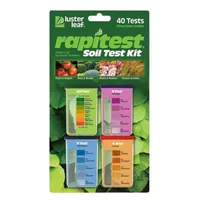
To avoid adding too much nitrogen to your tomatoes, test your soil before you apply any fertilizer. Besmer then suggests skipping the nitrogen feed completely once the tomatoes begin to set fruit and switching to a phosphorus feed to encourage bloom growth.
3. Choose your resistant types
Rather than heirloom tomatoes that are susceptible to catfacing, opt for smaller types, such as cherry, grape or pear tomatoes. Helega George, PhD at Gardeners Path recommends growing ‘Countil’, ‘Duke’, ‘Floradade’, ‘Monte Carlo’ and ‘Walter’.
4. Avoid aggressive pruning
Overpruning is one of the common tomato pruning mistakes; it’s all about getting the right balance. If you’re overzealous with your pruning shears, you could put your tomatoes at risk of becoming more feline-looking than you’d hoped.
Follow Camilla Sharman for all things homes and gardens 
Follow Tom's Guide on Google News and add us as a preferred source to get our up-to-date news, analysis, and reviews in your feeds. Alternatively, you can read our content on the Tom's Guide app available now for iOS and Android. Subscribe to Tom's Guide on YouTube and follow us on TikTok. Finally, you can visit our dedicated Tom's Guide Savings Squad hub for expert help on getting the best products for less.
More from Tom's Guide