




Fall is official here, and it’s already taken its toll on my previously lush and green grass. But, before things get too chilly, October is the ideal time to repair your damaged lawn and prepare for the colder months ahead.
And if, like me, you’ve tackled this by scattering grass seed on those sparse or bare patches, it can be a little disheartening when you haven’t seen any growth sprouting through at all.
That's why I called on a lawn care expert to find out why my grass isn't growing, common mistakes to avoid, and top tips on how to fix it.
Check the weather forecast
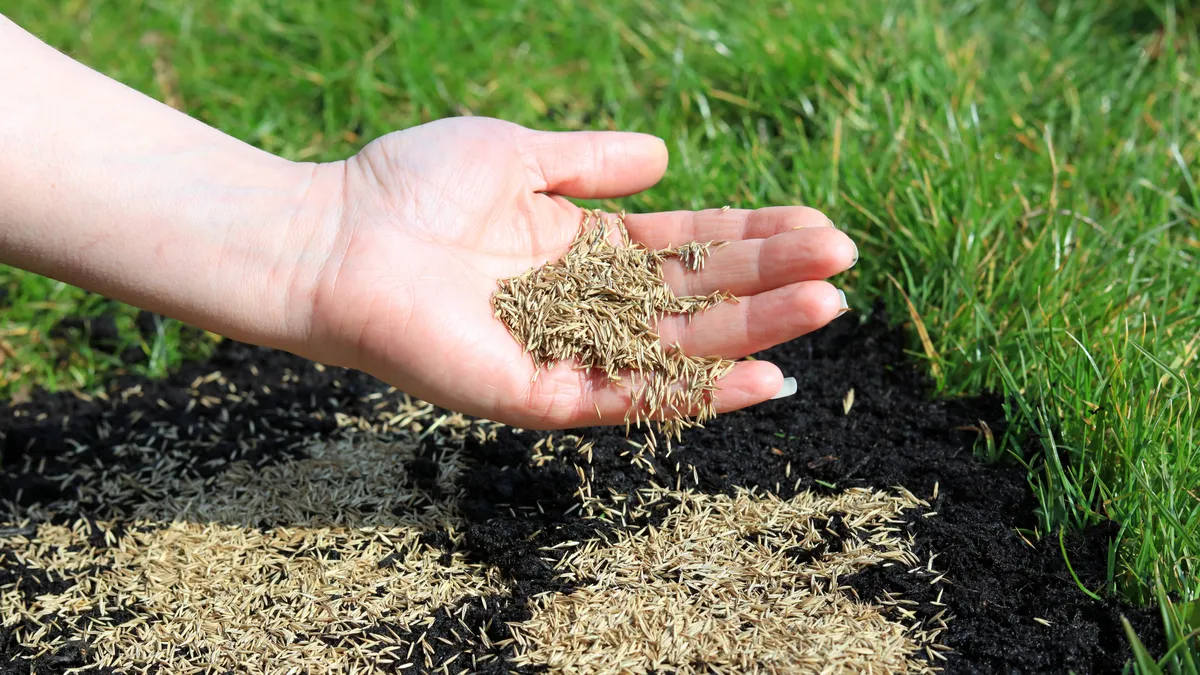
According to experts, now is the time to do those all-important lawn repairs. But the process just takes a bit more preparation than expected, and results will naturally depend on weather conditions and technique.
“Thriving spring lawns are built in fall. Thanks to a shift in weather patterns, soil temperatures are staying warmer for longer,” says Chris McIlroy, a lawn expert at The Grass People.
“If temperatures start to stay consistently below 46.4 °F to 50.0 °F, then the window for sowing is closing, so do keep an eye on the forecast. You need a two-week window where the temperatures are above this.”
If temperatures start to stay consistently below 46.4 °F to 50.0 °F, then the window for sowing is closing
Chris McIlroy
In addition, be sure to check your soil temperature using a soil thermometer before seeding. Typically, cool-season grasses like Kentucky bluegrass need soil temperatures below 65°F, while warm-season varieties like Bermuda grass need at least 65°F.
For more top tips, check out how to overseed your lawn in fall.

Protect it from hungry birds

If you enjoy feeding or watching birds in your yard, these feathered visitors might be another reason your grass seed isn't growing.
“Birds can see freshly laid grass seed as an easy-access buffet, especially at this time of year when other food resources are starting to dwindle,” explains McIlroy. “So they’re taking your seed before it even has a chance to germinate."
So what can we do to prevent our hungry birds from swiping our freshly-laid grass seed?
"Shiny objects like tin foil and old CDs can deter birds from your garden, as the way they reflect light confuses them," adds McIlroy.
"Or you can also cover the seeds with tarp or netting, but make sure it’s not blocking too much light or water from the seeds.”
Not sowing deep enough

Another common mistake is failing to plant seeds at the right depth or in suitable growing conditions. “Seeds should be roughly the depth of three stacked coins to ensure the right seed-to-soil contact for germination, advises McIlroy.
“It keeps seeds protected and warm, and provides the nutrients they need to grow. If the elements have left your seeds exposed, try adding a light layer of topsoil to give seedlings that extra support.”
In addition, you need to ensure you water your seeds properly, but don’t oversaturate them. If seeds are waterlogged or sitting in a pool of water, they won't survive. “Seeds also need to be hydrated but not waterlogged. If they’re left too dry, the seeds will die off, so keep an eye on soil moisture levels".
“Fixing drainage by aerating your lawn is a key step for success, ensuring water has somewhere to go when it rains. Similarly, if your lawn is bumpy, this creates areas for water to pool.”
Other tips include feeding your lawn with a starter fertilizer, which can help grass establish faster with stronger roots. Or simply have some patience, and let nature take its course.
"Sometimes seeds just need a little more time; depending on the conditions, germination can take up to 14 days, and noticeable grass growth even longer."
Check out our expert-approved tips on how often you should aerate your lawn and how many passes are best.

Follow Tom's Guide on Google News and add us as a preferred source to get our up-to-date news, analysis, and reviews in your feeds.
More from Tom's Guide

