Homeowners are being urged to check their garages as wasp season ramps up in June and July. An expert warns that these pests target quiet garages and roof spaces during these summer months.
To avoid calling out a pest control professional and facing a hefty bill. Alastair Mayne, CEO of Garolla, says there’s a simple, cheap and natural way to deter wasps, and explains why they are troublesome during June and July.
Why do wasps peak in June and July?

Wasps typically start building nests in quiet locations during April and May. Nesting then ramps up significantly in June and July, when homeowners will realize they have a significant problem.
“Garages, sheds and roof edges can all appeal to wasps because they offer quiet shelter and are often left undisturbed for long periods,” says Mayne, and adds, “Early in the season, nests can be tiny and easy to miss, but by mid to late summer they can grow quickly if activity goes unnoticed.”
How to spot wasp activity

Mayne shares his insights on how to check for wasp activity, explaining, “If you see wasps repeatedly moving in and out of the same gap, corner or roof edge, that is usually a sign of an active nest nearby and not something to ignore.”
You should never poke, spray or try to knock down a nest once activity is established, as that is when the risk of stings rises sharply
Alastair Mayne, Garolla
And he recommends checking rooflines, vents and frames for access points, but he warns, “You should never poke, spray or try to knock down a nest once activity is established, as that is when the risk of stings rises sharply.”
How much does it cost to remove a wasp nest?
In the U.S., professional wasp nest removal can cost anywhere from $300 to $700, according to the home services company, Angi. While in the U.K., Mayne says homeowners can expect to pay between £75 and £200+. In all cases, the cost will depend on the size and location of the nest.
How to deter wasps, naturally

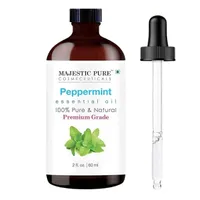
To save calling in a pest removal firm, Mayne says there’s a cheaper alternative that will prevent wasps from building nests in the first place. “Strong scents such as a small bottle of peppermint oil, citronella or eucalyptus can help deter wasps from settling nearby.”
Strong scents such as a small bottle of peppermint oil, citronella or eucalyptus can help deter wasps from settling nearby
Alastair Mayne, Garolla
These strong scents overwhelm their sensory receptors, which they rely on to hunt for food, and rather than enticing them, they drive them away.
With a bottle of peppermint oil costing just $8 on Amazon, this budget preventive measure is preferable to paying for removal. What’s more, it’s one scent that will also repel mosquitoes.
Apart from using a scent to deter wasps, he also suggests keeping sugary food and drink covered and removing fallen fruit from gardens to reduce the number of wasps attracted around your home.
7 ways to deter wasps from invading your home and outdoor spaces

While different pests are drawn in by different things, Mayne explains that the common thread is usually the same: easy access to food, moisture and shelter. "In summer, even small oversights such as an overflowing bin, standing water or a gap around the garage can be enough to make a property far more appealing,” he adds.
To help you reduce wasps and other pests in the summer, Mayne recommends following these seven pest-reducing habits:
1. Keep garage doors shut when not in use
2. Check seals, thresholds and small gaps around garage doors and vents
3. Keep bins closed, clean and away from entrances where possible
4. Do not leave pet food, birdseed or sweet drinks in garages or outdoor spaces
5. Fix leaks, damp patches and standing water quickly
6. Store items off the floor and reduce cardboard or cluttered hiding spots
7. Clear food waste, spillages and fallen fruit before smells build up

Follow Tom's Guide on Google News and add us as a preferred source to get our up-to-date news, analysis, and reviews in your feeds. Alternatively, you can read our content on the Tom's Guide app available now for iOS and Android. Subscribe to Tom's Guide on YouTube and follow us on TikTok. Finally, you can visit our dedicated Tom's Guide Savings Squad hub for expert help on getting the best products for less.
More from Tom's Guide