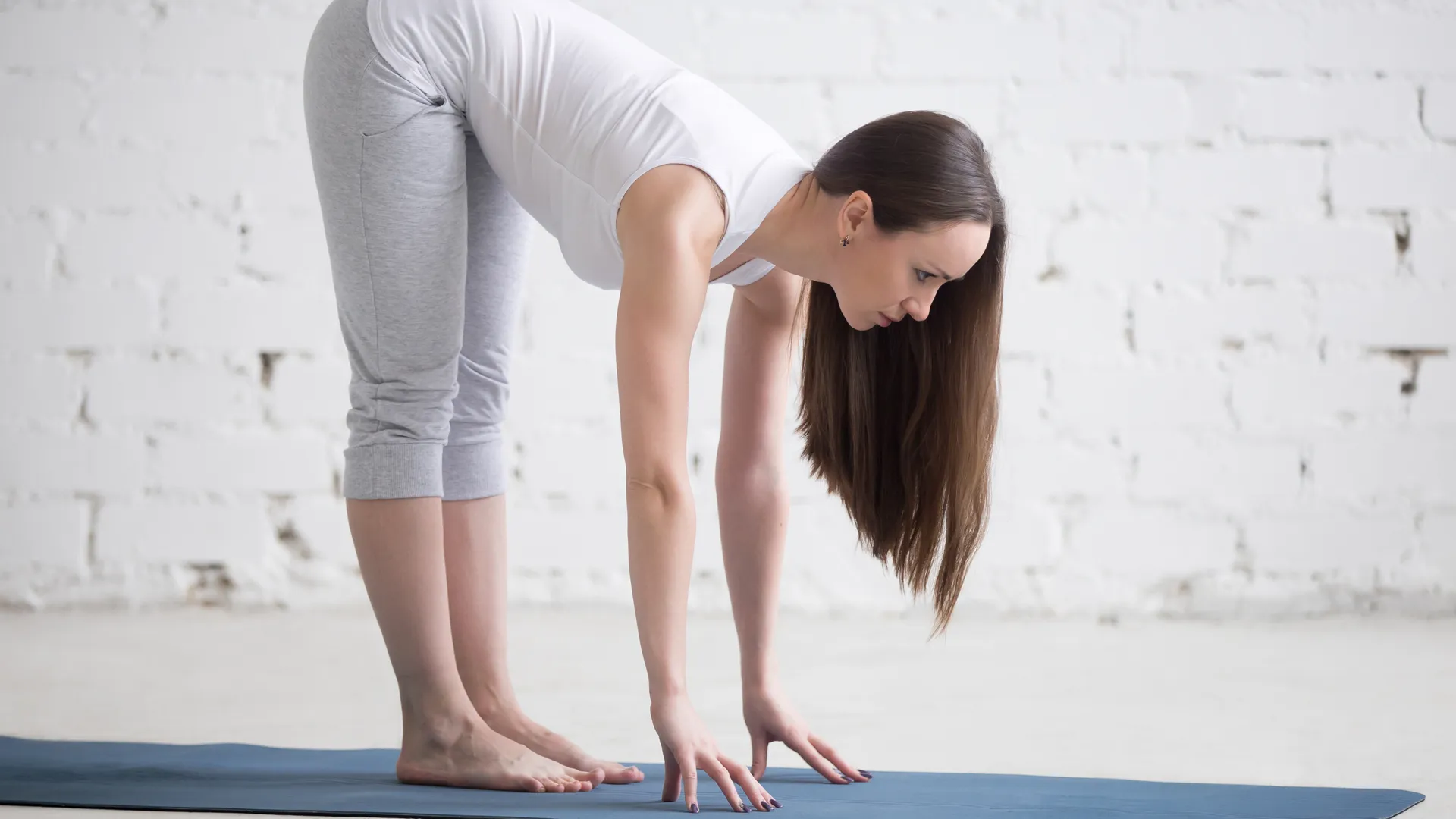
There are mobility exercises that just hit differently when it comes to making a real difference to your body — and the caterpillar walk is one such move.
As a trainer who enjoys a range of activities, from yoga and running to weightlifting and Pilates, my back, hips and hamstrings spend a lot of time working hard. That's why I always warm up with my go-to bank of dynamic stretches; the caterpillar walk is one I teach and often use myself.
It’s considered the gold standard for mobility and posterior chain flexibility, as it stretches along the back of your body, along the spine to the glutes, hamstrings and calves, also waking up your shoulders and arms. Here's exactly how to do it, and the benefits you can expect.
As a reminder, if you’re pregnant or postpartum, recovering from an injury, or dealing with a health condition, it’s always best to check in with a medical professional before trying something new.
How to do the caterpillar walk
You might have heard of inchworms before, where you stand, roll down your spine to touch your toes, walk your hands out to a plank position, then walk your hands back in and roll up your spine to stand again. This is very similar, except you walk your feet toward your hands instead, meaning you'll move forward along the ground.
You don't need any equipment, but you could use one of the best yoga mats to make things more comfortable.
Here's how:
- Stand tall with your feet hip-width apart
- As you exhale, roll slowly down your spine, reaching your fingertips to touch the ground. If you have tight hamstrings or are long-limbed, bring more of a bend to your knees
- Look between your legs for a moment to release tension in your neck
- Look forward. Begin walking your hands out in front of you until you reach a high plank position. Your shoulders should be stacked over wrists, hips aligned with shoulders and core engaged (think about zipping your stomach in and bracing)
- You can add a push-up to work your upper body and core, but this is optional
- Tiptoe your feet toward your hands, lifting your hips high with a soft bend in your knees. Keep your gaze forward and push the ground away with your hands to create space beneath your body
- Once your feet are just behind your hands in a forward fold position (hands and feet planted), slowly roll up through your spine to stand, with your head coming up last.
Complete 6-8 reps and 2-3 sets. The aim of the game is to keep your legs as straight as possible, but you can make this exercise more accessible by bending your knees.
What are the benefits?
Posterior chain flexibility
The back of your body can get notoriously tight, especially the lower back, glutes and hamstrings, so this exercise addresses that first as you roll down into a forward fold, then as you walk your hands out and feet in. If you have tight hamstrings, you'll feel this immediately.
Don't be hard on yourself if you find this really challenging, as your anatomy will also play a role in how easy or difficult you find it to move through the caterpillar walk. Just do what you can. You could also grip a yoga block in each hand and use them to walk out with.
Tight hamstrings and glutes can impact lower-body movement, making simple activities like walking, running, or climbing stairs more challenging. It's crucial to target these problem areas before they target you!
Upper body and core engagement
Your upper body also works during the caterpillar walk, especially if you add the optional push-up from the plank position. Planks are also famous for engaging multiple muscle groups, including your core, hips, glutes, legs, arms, shoulders and chest. Sure, you're only here momentarily, but your whole body works hard to keep you stable as you move.
Better mobility
I love dynamic stretching and mobility exercises as they move your muscles and joints through a range of motion before exercise, preparing your body and reducing the likelihood of injuries.
The caterpillar walk involves moving your entire body when you first walk your hands out, then your feet in. You might notice your core working hard to keep you stable and balanced, too, so focus on bracing your midsection and pushing out of your hands to help create space beneath your body.
Essentially, you will create an inverted V-shape with your body as you walk your feet in, which means you'll need to shift your weight into your hands and upper body; this will test overall mobility while improving flexibility in the back of your body.
What happens when you add the caterpillar walk to your weekly routine
Caterpillar walks are actually good fun when you get used to the movement pattern, and you should notice improvements after even a few weeks of giving them regular practice.
I always program this mobility move into warm-ups and core workouts with clients, sometimes getting my group classes to race each other to get their heart rates up before exercise.
I love the focus on the back of the body, which, with our more sedentary lifestyles thanks to tech and office work, tends to become a problem area, especially the lower back, hips, glutes and hamstrings. This full-body exercise won't fix poor posture, but it can certainly help target the muscles that need to be strong and flexible (and make improvements).
If 6-8 reps feel too much, try a few rounds and build slowly. Start without the push-up, then add it when you feel ready. I also encourage adding a downward dog from the plank position to further stretch the arms, shoulders, upper back, and posterior chain.
If you practice this exercise daily or at least several times a week, expect to notice things feeling slightly easier as you get used to what your body can (or can't) do and the caterpillar walk exercise itself. Keep track of your progress over time and try to factor this exercise into a wider routine; I've included an example below from our socials!
Follow Tom's Guide fitness on Instagram for more workouts, routines, tips, and tricks.

More from Tom's Guide