Winter is peak bird-feeding season, and it's tempting to toss leftover food scraps into your garden for hungry birds. The problem is that birds will eat pretty much anything you leave out, even if it's harmful to them. While traditional bird foods like seed mixes, sunflower hearts, and suet balls are perfectly safe, plenty of common household foods can actually hurt and even kill garden birds.
The items that seem harmless (like bread, fat, even certain fruits) can cause serious health issues for species like robins, blue tits, and starlings. Before you clear out your kitchen leftovers into the bird feeder, here are seven foods you should never offer to birds in your garden.
1. Bread

You've probably heard not to feed bread to ducks, and the same rule applies to garden birds. Species like sparrows and starlings will happily eat bread, but it does them no favors. Bread has virtually no nutritional value for birds, and it fills their stomachs quickly, which stops them from eating the nutrient-dense foods they actually need to survive winter.
When birds fill up on bread, they're essentially eating empty calories while missing out on the proteins and fats that keep them alive during cold months. Skip the bread entirely and stick to proper bird food instead.
2. Liquid cooking fat
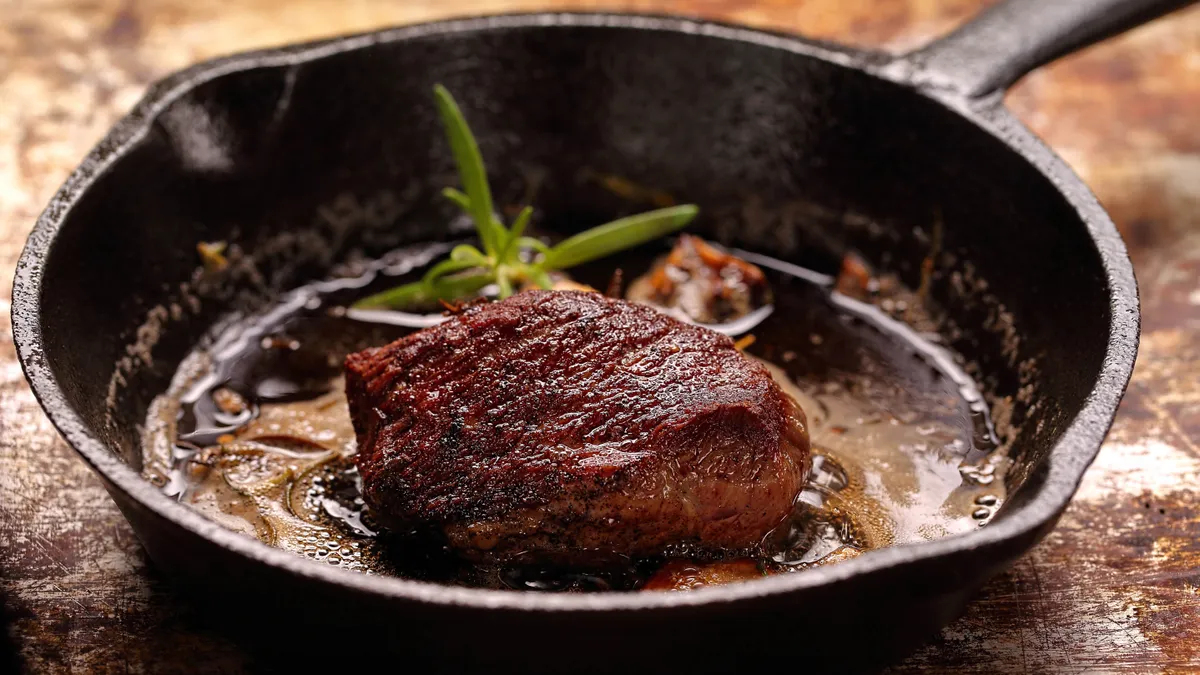
Drippings from roast chicken or turkey might seem like a good substitute for suet, but liquid fat is actually harmful to birds. When birds feed on greasy liquid fat, it coats their wings and feathers, making it difficult or impossible for them to fly.
Unlike solid suet, which birds can peck at cleanly, liquid fat creates a mess that compromises their ability to escape predators or maintain body temperature. Only offer firm, solid fats to birds, never anything liquid or drippy from cooking.
3. Salty foods like bacon

Salt is toxic to songbirds, even in small amounts, which makes bacon one of the worst things you can leave out. You might think bacon fat seems similar to the suet balls birds love, but the salt content makes it dangerous. Most processed foods contain high levels of salt, so avoid offering birds any human food that's been seasoned or cured.
Even a little bit of salt can poison small birds, causing serious health problems or death. If you want to offer fat for energy, stick to unsalted suet products designed specifically for birds.
4. Desiccated coconut

Desiccated coconut shows up in lots of holiday baking, but it's extremely dangerous for birds. Once eaten, the dried coconut absorbs liquid in the bird's stomach and swells dramatically, causing painful blockages that can be fatal.
While fresh coconut in small amounts might be okay, the dried, shredded version sold for baking should never go in a bird feeder. The risk of internal blockages simply isn't worth it, especially when there are so many safe alternatives available.
5. Chocolate

Chocolate is toxic to birds for the same reasons it's toxic to dogs — it contains theobromine, which their systems can't process. Even small amounts of chocolate can cause serious health issues or death in birds. This includes all forms of chocolate: milk chocolate, dark chocolate, chocolate chips, cocoa powder, and anything containing chocolate as an ingredient.
Keep all chocolate products away from bird feeders and make sure any chocolate waste goes in a secure bin where birds can't access it.
6. Dairy products
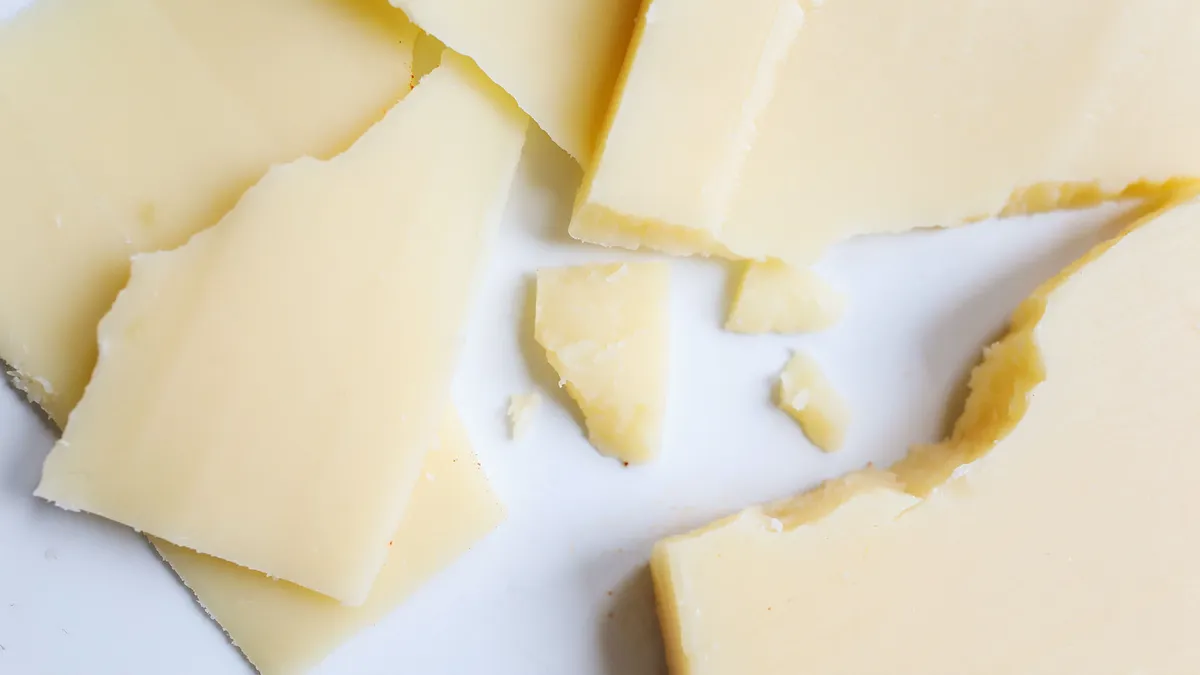
Birds lack the enzymes needed to digest lactose, which means milk and other dairy products can make them seriously ill or kill them. This includes milk itself, cheese, yogurt, and anything containing dairy. When birds consume dairy, they can't break it down properly, leading to severe digestive issues.
Even small amounts can be harmful, so never add milk to anything you're offering birds, and avoid putting out cheese scraps or other dairy leftovers.
7. Spoiled foods

What might give you nothing more than a mild stomach ache can be deadly for birds. Moldy bread, spoiled fruit, or any food that's gone off should never go in your bird feeder. Mold contains toxins that birds' small bodies can't handle, and spoiled food can carry bacteria that cause fatal infections.
It might be tempting to toss old food scraps outside instead of wasting them, you're actually putting birds at serious risk. If food isn't fresh enough for you to eat, it's not safe for birds either. Always check feeders regularly and remove any food that's gotten wet, moldy, or spoiled before birds can consume it.

Follow Tom's Guide on Google News and add us as a preferred source to get our up-to-date news, analysis, and reviews in your feeds. Make sure to click the Follow button!
More from Tom's Guide
- Never use bleach in your birdbath — this cheap pantry staple is safe
- 7 tips for attracting more hummingbirds to your backyard
- First frost warning signs every gardener should know