You clean your sink every day. But there's a small opening you've probably never paid attention to that's teeming with bacteria right now.
Your sink's overflow hole is the kitchen's most disguised hygiene problem. It's warm, dark, and perpetually damp. Simon Roberts, director at quartz worktop retailer Vogue Worktops, says it's consistently overlooked despite being one of the dirtiest parts of your sink.
Warmer summer temperatures make this bacterial build-up even more problematic, creating smells and hygiene issues that seem to come from nowhere. Here's how to clean it properly.
1. Use baking of soda and white vinegar
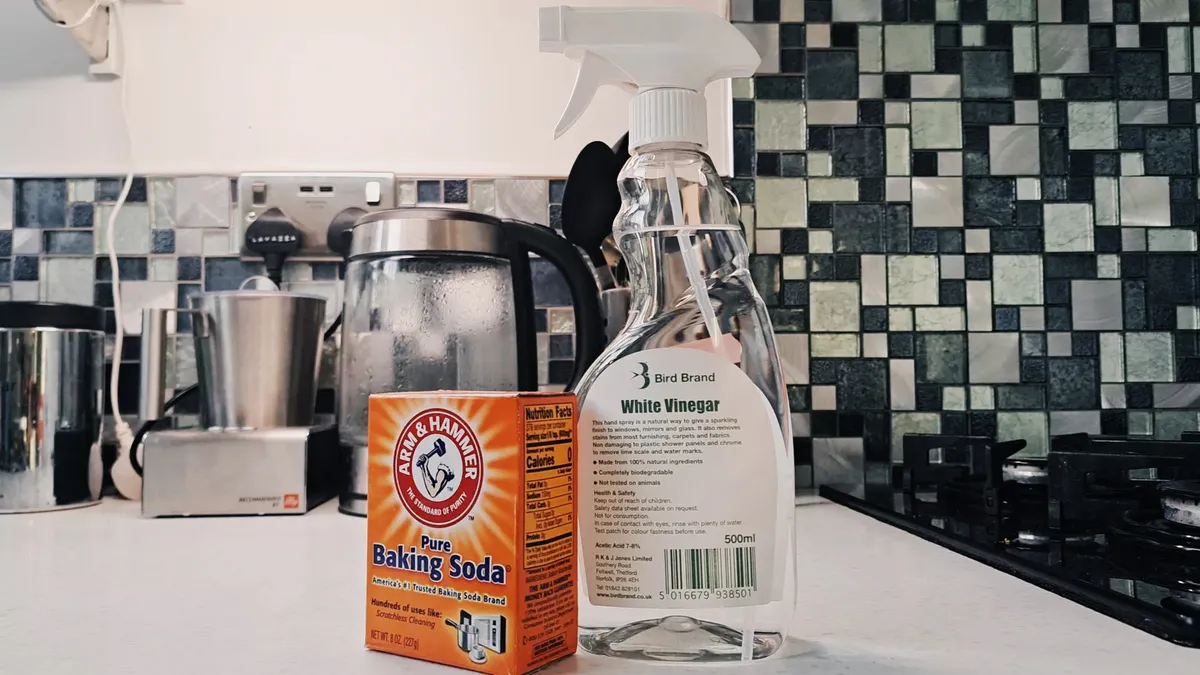
This combination creates a natural cleaning reaction that reaches into the narrow opening. Bicarbonate of soda and vinegar generate fizzing action that dislodges trapped food particles and mineral deposits clinging to the inside walls.
According to Roberts, "The fizzing action helps loosen built-up grime inside the channel. After letting it sit for around 10-15 minutes, flushing it through with boiling water helps wash residue away."
As some overflow holes can be very small and narrow, you could always use a white vinegar spray for easy application. This method works without bleach or toxic fumes, making it safe for regular use in kitchens.
2. Pour boiling water weekly for prevention

Hot water is an effective bacteria deterrent when used consistently. Weekly flushing prevents grease from solidifying inside the channel and stops bacterial colonies from establishing themselves.
Roberts explains that "carefully pouring boiling water into the overflow hole once a week can help prevent grease and bacteria from settling." This minimal-effort maintenance step takes just seconds but dramatically extends the time between deep cleans.
3. Use cotton buds for narrow openings

The overflow hole's narrow opening means standard cleaning tools like sponges and cloths can't access the sides where debris accumulates. A thin, flexible tool can navigate the tight space and physically scrub away buildup that liquids alone won't remove.
According to Roberts, "A thin brush, pipe cleaner or cotton bud is ideal for physically removing dirt around the edges of the hole, which cloths and sponges can't reach." This works best after using the vinegar method, when loosened material is easier to dislodge.
4. Disinfect occasionally with diluted bleach
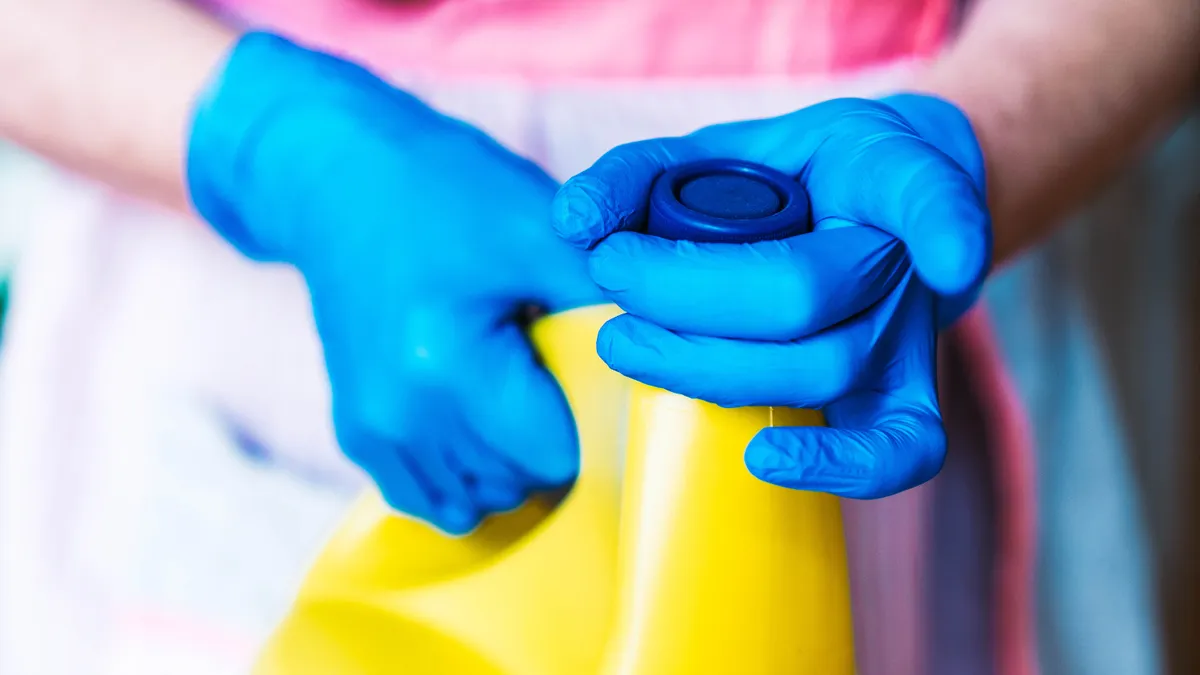
When regular cleaning methods aren't eliminating persistent odours, a stronger disinfectant becomes necessary. Diluted bleach kills bacteria deep inside the channel and prevents regrowth temporarily.
Roberts recommends that "a small amount of diluted bleach or foaming bathroom cleaner left to sit briefly can help kill bacteria and prevent smells. Always rinse thoroughly afterwards." The key here is dilution. You're disinfecting a small hidden space, not bleaching your sink.

Follow Tom's Guide on Google News and add us as a preferred source to get our up-to-date news, analysis, and reviews in your feeds. Subscribe to Tom's Guide on YouTube and follow Tom's Guide Entertainment on TikTok and Instagram. Finally, you can visit our dedicated Tom's Guide Savings Squad hub for expert help on getting the best products for less.
More from Tom's Guide