We all think our homes are clean. We vacuum regularly, we wipe surfaces, we do laundry. But there are blind spots we look at every single day and completely overlook. Our readers proved this when over 1,000 people voted "I can't remember the last time I cleaned it" in response to our simple poll about cleaning mold from caulk.
That answer sparked a bigger realization: if everyone's forgetting about caulk, what else are we missing? The truth is, your home is full of forgotten zones where mold, grime, and bacteria thrive.
Many unassuming places in our home collect layers of hidden nastiness that go unnoticed for months or years. Fortunately, you can tackle all five of these zones today using things you already own.
1. Bathroom caulk
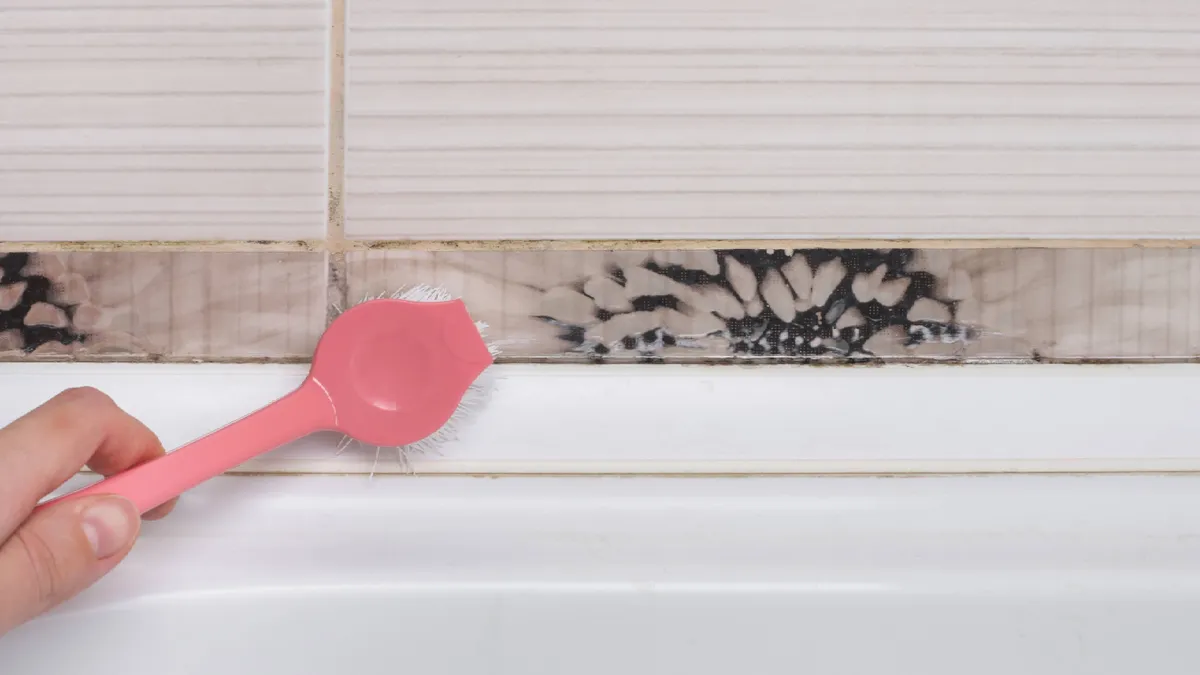
Bathroom caulk lines create the perfect environment for black mold. The constant moisture and humidity make silicone caulk a breeding ground for deep-seated mold that normal wiping won't touch. Most people notice the dark stains but assume they're surface-level dirt.
Spray white vinegar directly onto the caulk lines and let it sit for 15-30 minutes to break down the mold. While that's working, mix baking soda with warm water to create a paste. Apply the paste over the vinegar-treated areas and use an old brush to work in.
The combination dissolves mold at the root without aggressive scrubbing. Rinse thoroughly and dry completely.
For stubborn stains that resist vinegar and baking soda, you can use hydrogen peroxide instead. This is also a better option if you have a marble bathroom as you should not use vinegar.
2. Washing machine rubber seal

Front-loading washing machines trap standing water, hair, and detergent scum inside the rubber gasket folds. Over time, this creates a thick, musty layer of hidden slime that transfers onto your "clean" laundry and makes everything smell stale.
Pull back the rubber folds and spray generously with a mixture of white vinegar and water (equal parts). Let it sit for 10 minutes to break down the buildup.
Then simply use a microfiber cloth to wipe away the loosened sludge. Work through all the folds thoroughly. Remember to run an empty hot water cycle with vinegar afterward to flush any remaining residue.
3. Bed pillows
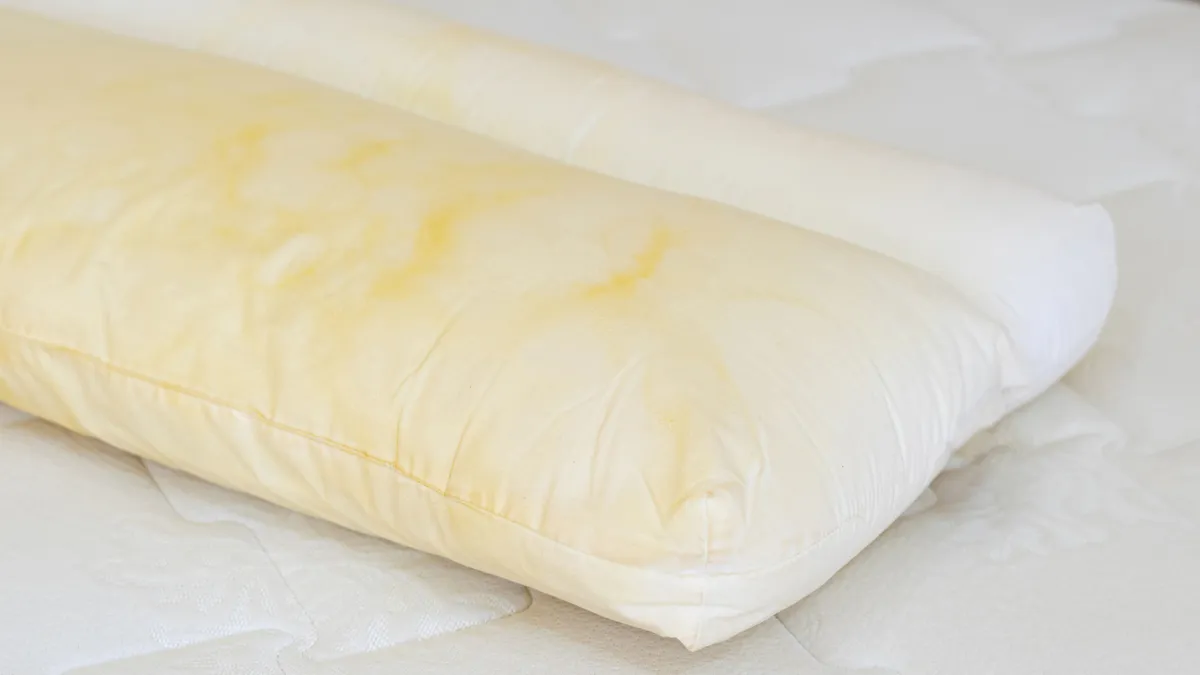
While you wash pillowcases regularly, the actual pillows absorb years of sweat, body oils, and dust mites. Over time, pillows yellow, flatten, and literally gain weight. You're sleeping on years of accumulated grime without realizing it.
Wash two pillows together in the machine by adding a cup of baking soda alongside your standard detergent — the baking soda strips the yellowing and odors.
To restore fluffiness as they dry, tumble dry on low heat with tennis balls or wool dryer balls. You'll be shocked at the difference.
4. Toothbrush holder

Water from wet toothbrushes pools at the very bottom of holders or cups, creating a stagnant, dark environment for black mold and bacteria. This happens right where you keep your mouth-cleaning tools.
Submerge the entire holder in warm water and dish soap, and give it a good wash. If it's particularly grimy, you could soak the holder overnight in a solution of one part bleach to nine parts water, just make sure to thoroughly rinse away any residue.
For narrow holders where mold hides in the bottom ring, use an old toothbrush or bottle brush dipped in white vinegar to scrub the interior walls.
5. Shower curtain

Shower curtains sit in standing water at the bottom where they contact the bathtub. This constant moisture creates the ideal breeding ground for black mold and mildew, especially in the folds and creases. Most people never clean the curtain itself, just replace it when it gets visibly moldy.
Soak the entire curtain in hot water mixed with one cup of white vinegar. Let it sit for 30 minutes to dissolve the mold buildup. For stubborn stains, spray the affected areas with undiluted vinegar and let sit another 15 minutes. This should loosen the mold. Then thoroughly rinse.
Hang to dry completely before rehanging. If mold is severe, you can wash the curtain in the machine on a gentle cycle with vinegar instead of detergent.

Follow Tom's Guide on Google News and add us as a preferred source to get our up-to-date news, analysis, and reviews in your feeds. Subscribe to Tom's Guide on YouTube and follow us on TikTok. Finally, you can visit our dedicated Tom's Guide Savings Squad hub for expert help on getting the best products for less.
More from Tom's Guide