If weeds keep popping up in your yard, no matter how often you pull them, the problem may be too much bare soil. Empty spaces in flower beds, in borders, and under trees can give weeds, such as stubborn dandelions, the perfect opportunity to take hold, quickly becoming a nuisance.
Not only are weeds often unsightly, but they can also steal precious nutrients from other plants and crowd out smaller species, harming their growth. In short, you want to minimize weeds where you can.
While there are pesticides and other combative ways to target weeds, these can also harm other life in the garden. Instead, why not opt for beneficial companion planting? And one of the easiest ways to tackle the problem is by planting ground cover plants.
The benefits of ground cover plants
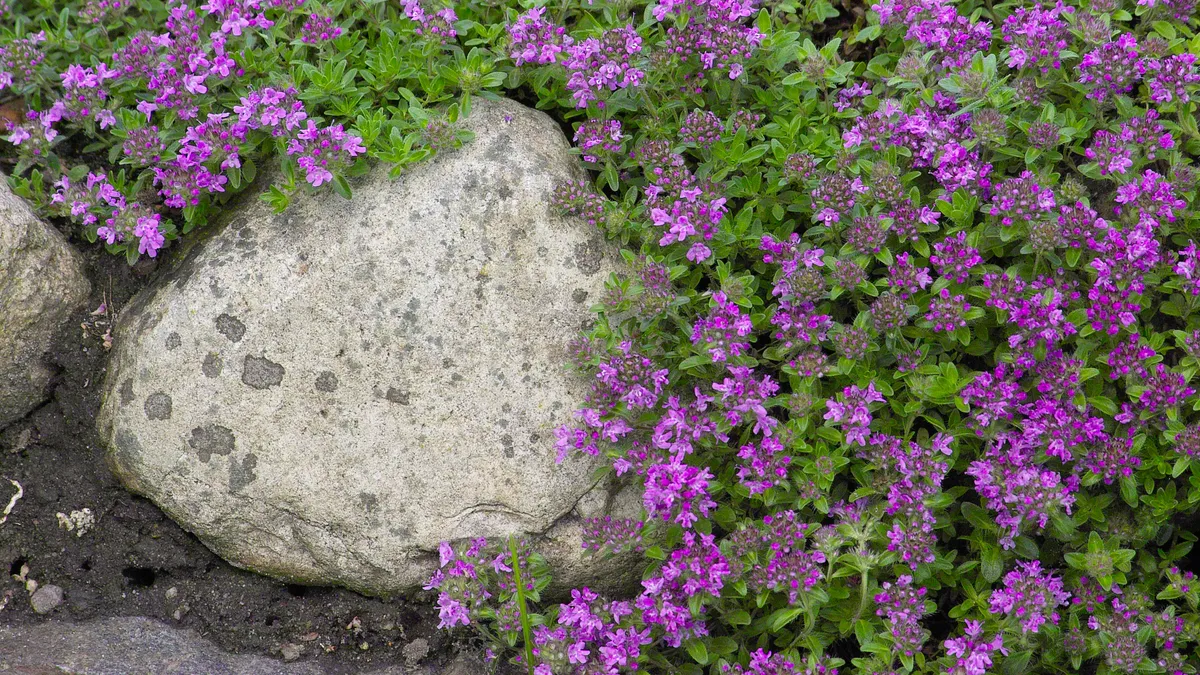
Ground covers are low-growing plants that gradually extend across the ground, creating a natural carpet of foliage. As they fill in, they block sunlight from reaching weed seeds, leaving little room for unwanted plants to grow.
Many are also hardy, low-maintenance, and far more attractive than patches of bare dirt, so you don’t have to compromise style for function. The right ground cover can not only stop weeds from taking over, but also cover awkward areas and reduce garden maintenance.
Here are five of the best ground cover plants to plant if you want to keep weeds out of your yard.
1. Creeping thyme

Creeping thyme is a low-growing herb that spreads into a dense mat of tiny leaves and flowers, making it an excellent weed-suppressing ground cover. It also adds color to the garden and attracts pollinators every summer, thanks to the vibrant purple of its blooms. Because it grows tightly along the soil surface, it forms a thick carpet that blocks sunlight from reaching weed seeds. Over time, the plants knit together, leaving very little space for weeds to appear.
You can plant creeping thyme in the spaces between paving stones, along borders, or anywhere in the garden that needs coverage.
How to grow
Plant creeping thyme in full sun and well-draining soil for best results. Space plants about 8–12 inches apart so they can gradually spread and fill the area. Once established, it’s drought-tolerant and requires very little maintenance.
2. Creeping Jenny

Creeping Jenny is a fast-spreading ground cover known for its trailing stems and bright, lime-green leaves. Its vigorous growth allows it to quickly cover bare soil, making it ideal if you’re trying to fill a large space and stop weeds from taking hold.
As the plant spreads, it creates a dense layer of foliage that shades the soil and helps prevent weed seeds from germinating. It can also add vertical interest by planting it in standing containers or hanging pots, as the stems will spill over the edges and dangle attractively. The plant may also produce small yellow flowers in the summer, adding a splash of color to your yard.
How to grow
Creeping Jenny grows well in both full sun and partial shade and prefers consistently moist soil. Plant it about 12–18 inches apart and allow it to spread naturally.
3. Stonecrop

Stonecrop is a hardy, low-growing succulent that thrives in dry, sunny areas where many other plants struggle. Low varieties spread slowly across the soil to create a thick mat of fleshy leaves, offering interesting texture and visual interest. This ground-hugging growth helps cover bare patches and suppress weeds while also conserving soil moisture, since succulents require less water to grow.
Many varieties also produce clusters of small flowers in late summer, so if you’re looking for a blooming crop then you’re in luck — just make sure you’re purchasing the right variety before you plant.
How to grow
Stonecrop grows best in full sun and well-draining soil. It’s particularly useful for rock gardens, borders, and slopes where watering can be difficult. Once established, it’s extremely drought-tolerant and needs very little care.
4. Bugleweed

For something a little more elegant and striking, consider bugleweed. It is a fast-spreading perennial that forms a dense carpet of glossy, dark green foliage. It spreads through short runners, which allow the plant to quickly fill gaps in borders and flower beds. As the foliage thickens, it shades the soil and helps prevent weeds from emerging.
In spring, it produces upright spikes of blue or purple flowers that add extra color to the garden, so it’s a good choice if you’re also looking for a ground cover plant that also grows upwards.
How to grow
Bugleweed grows best in partial shade and moist soil, making it a great option for areas under trees or along shaded garden edges. Space plants around 9–12 inches apart and allow them to spread naturally.
5. Periwinkle

Periwinkle is a hardy evergreen ground cover that spreads to form a thick layer of glossy green leaves. Because it grows quickly and stays dense throughout the year, it’s particularly effective at crowding out weeds. The evergreen foliage also keeps the ground covered even during winter months.
As the name suggests, every spring the periwinkle produces small violet-blue flowers that brighten up shady areas. You can also find varieties with pink flowers, if that works better with the color scheme of your garden.
How to grow
Periwinkle grows well in partial shade or full shade, making it ideal for spots where grass struggles to grow. Plant it about 12 inches apart so the trailing stems can gradually spread and fill the space.

Follow Tom's Guide on Google News and add us as a preferred source to get our up-to-date news, analysis, and reviews in your feeds.
More from Tom's Guide