

When comparing free weights and gym machines, I am firmly on the side of free weights. Equipment like dumbbells and kettlebells allows you to work both sides of your body independently, while using barbells means you can load heavy, working your core muscles harder to stabilize you without the help and support of a machine.
There are other benefits, too, like building stability, coordination, balance and range of motion, but I use certain gym machines like cables or leg presses, and I may start a beginner on certain machines until they feel more confident with the movements.
All of this is to say, there's one piece of equipment I avoid for core exercises, particularly sit-ups, because more often than not, I see people in the gym getting injured.
Read on for the full lowdown, and what to do instead.
What is the exercise?

The GHD machine, or Glute Ham Developer as it was originally designed, can be used (and is commonly used) for sit-ups. The GHD sit-up is an intense sit-up variation used to improve core strength, stability and hip mobility, as it requires excessive and full range of motion as you lean back.
Although your hip flexors help power the torso upward, they shouldn't take over the exercise, which targets the abs running along the front of your stomach. The problem is, the excessive range of motion can load the lower back, and if you don't perform the exercise properly, with enough core engagement, or if you currently have a health condition (like high or low blood pressure), are pre- or post-natal, or have an injury, this exercise quickly becomes contraindicated.
For this reason, I skip the GHD machine for core exercises, especially for beginners, as repeated lumbar flexion and extension of the spine in an unsupported position offers more problems, in my opinion, than benefits.
Here's what I recommend instead.
1. Use a bar

You need a lot of power to drive your body to a sitting position, so the first thing I'll do is get someone on a pull-up bar for hanging leg raises or knee tucks. L-sits are also a great option for developing deep core strength while also targeting the hip flexors and grip strength.
Although your back is still unsupported, you're putting a lot less strain on your spine while still building strength in your upper body.
2. Learn proper core bracing

If you're determined to use a GHD machine, I recommend relearning to brace your core using my five-minute bracing routine. Core engagement isn't just about squeezing your stomach hard or sucking your belly in; it's about gently bracing the abdomen and bearing down, as if someone is about to punch you in the gut. You'll also need to exhale as your body meets the most resistance, which means as you sit up in this case.
Finally, did you know your diaphragm is a core muscle? Breathing properly requires diaphragmatic breathing, which means directing your breath downward rather than out through your chest.
I strongly recommend spending some time activating your core and diaphragm first, and trying some pelvic tilts to get everything fired up beforehand while supporting your spine.
3. Load with free weights

If possible, I would use dumbbells, Bosu trainers, resistance bands, kettlebells, or Swiss balls over going anywhere near the GHD machine.
You can slowly overload the body as you get stronger, adding weight or volume as you develop core strength and stability. Bosu trainers test balance and stability, and kettlebells increase range of motion as you can move them more freely.
Free weights are also far more functional than many gym machines, as you teach your muscles to support you rather than relying on a piece of kit. This is extremely beneficial for your core, which in turn is better for your back health.
Movements that are functional should also feel natural, aiding everyday activities. Plus, you should feel like you have far more control.
4. Experiment with other movements
You put a lot of trust into the GHD when doing one of these sit-ups. Your entire body is held by the two rollers that clamp around your feet. It's not for everyone.
There's an extensive library of exercises that benefit your body more, and it's a great opportunity to experiment with what does and doesn't work for your body.
I would start with these 5 Pilates exercises and some lower abs workouts.
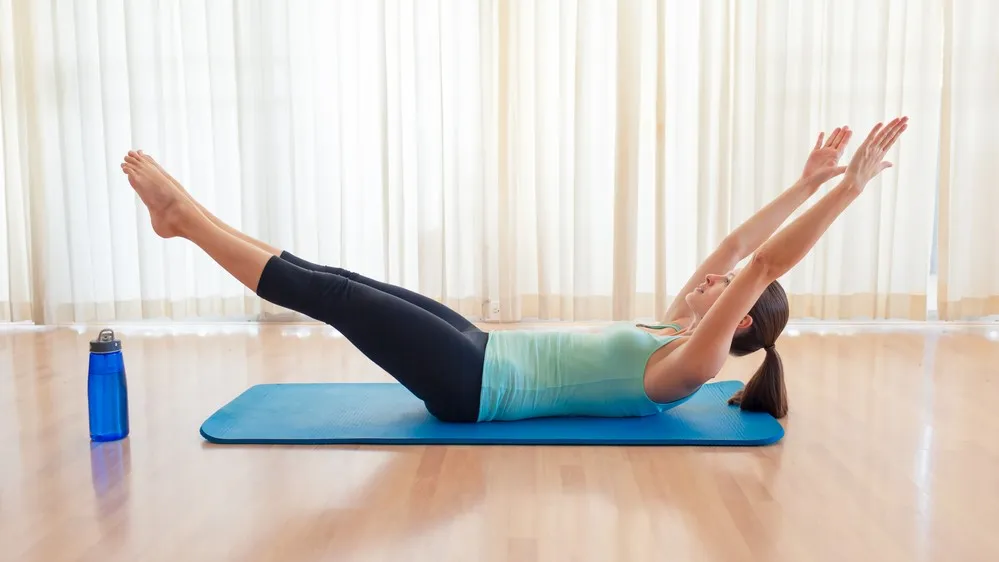
I also really rate endurance-focused core exercises that use isometric contraction, which means you hold tension in the working muscles without them lengthening or shortening. Examples include the hollow hold (pictured above) and plank variations.
The bottom line
I don't know many people who get away with zero pain using the GHD machine, and it might be a lack of core engagement, weakness in the stabilizing muscles, existing back pain, poor technique, or something as simple as body mechanics. For me, I just don't think it's worth the risk.
Give the tips above a try instead, and let us know how you get on by voting in the poll below!
Follow Tom's Guide fitness on Instagram for more workouts, routines, tips, and tricks.

Follow Tom's Guide on Google News and add us as a preferred source to get our up-to-date news, analysis, and reviews in your feeds.
More from Tom’s Guide