Yoga teacher (and teacher to other yoga teachers) Lucas Rockwood says you need three types of movement for hip mobility and flexibility: hip flexion, extension and lateral rotation.
The video below, published to the Yoga Body channel, details why these three movement patterns matter for functional movement and how a lack of any of the above could inhibit how you move. Functional movement pattern issues only become more prevalent as you age, so fixing them now can help you live and feel better, whether it's during exercise or just moving about your day.
Grab one of the best yoga mats and find out how to fix your tight hips and strengthen your lower body against injury using just three movement types.
Watch Yoga Body's hip mobility video:
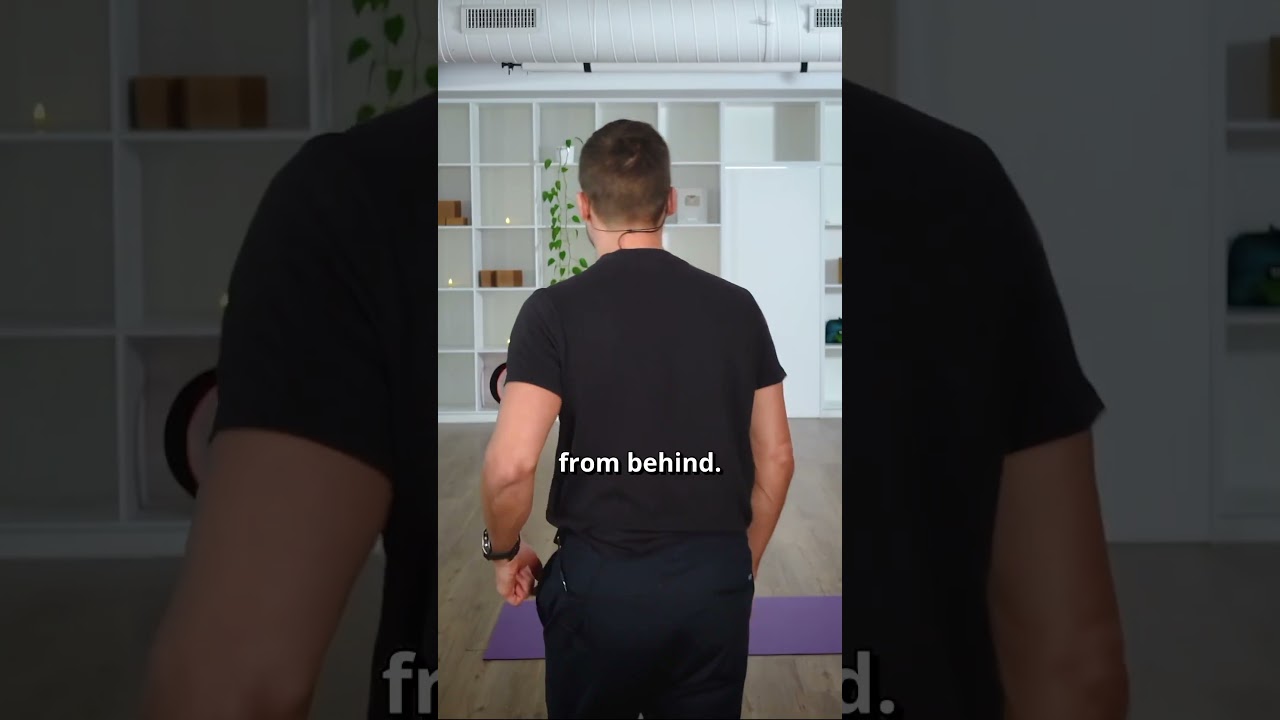
Rockwood kicks off the video with the three types of movement patterns that are crucial for proper hip health and function. Let's look at them below, and check out some examples of the types of yoga poses you can do using each one.
1. Hip flexion

First up is hip flexion, which occurs when you sit into a squat or hinge forward at your hips, for example. During flexion, the distance between your hips and your chest reduces.
While hip flexion plays a role in maintaining healthy hips, it's worth remembering that for any of us who sit for prolonged periods, the hips can lie dormant in flexion, leading to weakness or tightness. That is why extension (the yang to flexion's yin) matters just as much, but we'll get to that shortly.
Here are some examples of yoga poses that work the hips in flexion:
- Yogi squat (above)
- Squats
- Knees to chest stretch
- Happy baby
- Lizard lunge (front leg)
2. Hip extension

Extension of the hips (think about your back leg during a lunge, for example) helps stretch out the fronts of the legs, including the hip flexors, and the most common flexor (and tightest), the psoas.
Hip extension occurs when you move the thigh behind the body, increasing the distance between the thigh, pelvis and chest. Extension is important for proper walking or running mechanics, and Rockwood says you can quite easily tell if someone suffers from weak extensors, because it'll show up during these movements.
If you see someone's (or your own) feet swaying to one side during a run, it can signal a gait issue or a struggle to lengthen the leg back behind the body, which comes down to limited extension ability and shows up most when fatigued.
Hip extension is crucial for posture, so when you want to fix tight hips, extension should always play a role. Examples of yoga poses that move the hips into extension are:
- Lizard lunge (back leg, pictured above)
- Camel pose
- Dragon lunge
- Pigeon pose
- 90-90 stretch
- Bridge pose
3. Lateral rotation

Last but not least, lateral rotation is the key to unlocking tight hips, which occurs when we sit cross-legged. If your knees are up by your chest and you can't relax them down, it could be time to work on this type of movement.
In this scenario, you're typically looking for any open-legged position that focuses on stretching the groin and moving the knees away from your midline, which rotates the hips outward.
- Lotus pose
- Butterfly pose
- Half pigeon pose
- Reclined butterfly (performed lying on your back)
- Frog pose (above)
- Extended triangle pose
Before you start any new exercise or stretching regime, always check in with a qualified yoga instructor who can guide your practice and the best exercises to suit your ability or any existing injuries or illnesses.
The above exercises don't take into account individual preferences or injuries, so could aggravate symptoms in some circumstances. We never aim to diagnose, so take caution and stop if you experience pain.
Follow Tom's Guide on Google News to get our up-to-date news, how-tos, and reviews in your feeds. Make sure to click the Follow button.
More from Tom's Guide
- No, not planks — I swapped them for Pilates push-ups, and my core and arms feel strong and stable
- Yoga for knee pain workout
- 3 things I wish I had known as a yoga beginner