Of all the TVs in LG’s portfolio, OLED TVs represent the best LG TVs you can buy. Not only that, but LG OLEDs consistently rank among the best TVs you can buy, period.
But shopping for an LG OLED can be confusing. At any given time, there’s a mix of last-year’s models and the latest OLEDs side by side on the same shelves. To make matters trickier, the list of supported features changes from one box to the next.
For instance, right now, you can buy a handful of LG OLEDs that claim to support something called OLED evo technology — or you can choose one that doesn’t. To understand the difference between an evo-enabled LG OLED versus a non-evo OLED, you have to start with a top-down view of the LG OLED lineup.
Which LG TVs are OLED evo?
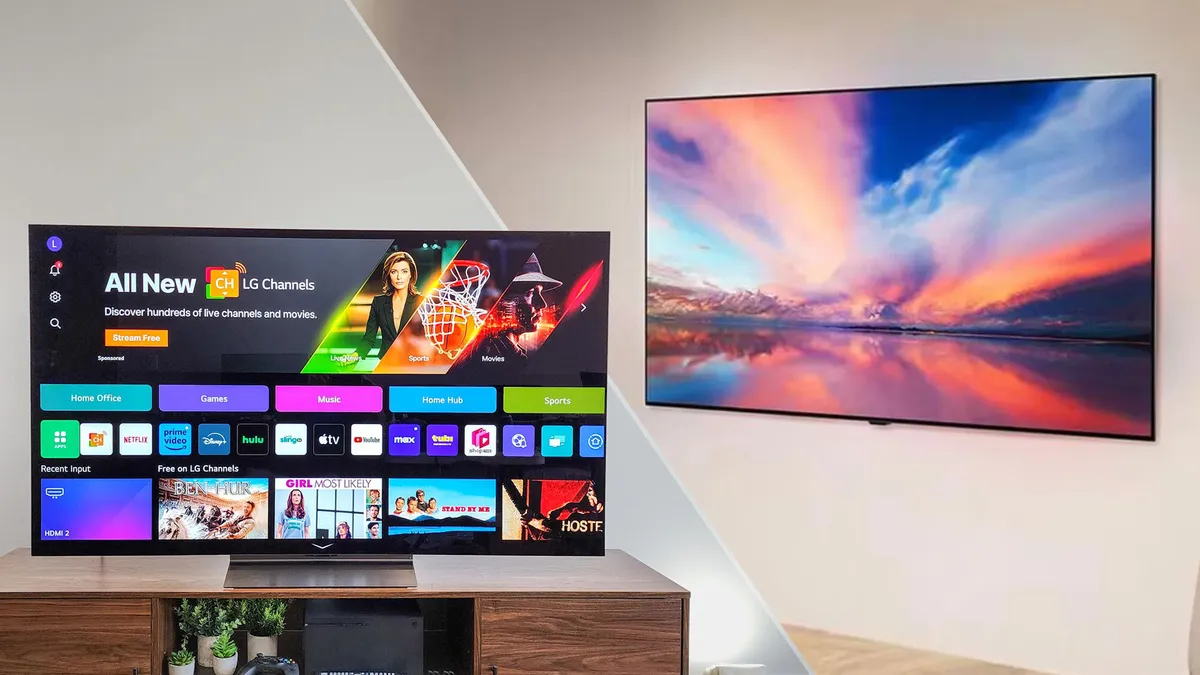
In recent years, LG's OLED lineup has settled into a familiar hierarchy. At the bottom is the affordable, entry-level B Series. The C Series OLED occupies the mid-range tier, and is one of the most popular TVs on the market year after year.
At the top sits LG's G Series, which typically taps a higher-end OLED display and an altogether different design compared to the B and C Series models. LG sometimes offers a separate flagship-level OLED alongside the G Series, like this year's W6 Wallpaper OLED.
While you might assume that these top-tier TVs are the only LG OLEDs to feature OLED evo technology, the C Series OLED TVs — like the five-star LG C5 — also arrive with OLED evo technology in tow. This has been the case for several years now.
This means that, currently, the LG B4 and LG B5 are the only widely available LG OLEDs that don't fall into the OLED evo family. In the case of the LG C5 (our pick for the all-around best TV you can buy), the inclusion of LG's OLED evo technology is appreciated. This is because OLED evo technology offers a handful of performance-related benefits that you ought to know about. Moreover, it's important to understand what OLED evo isn't.
What is LG OLED evo?
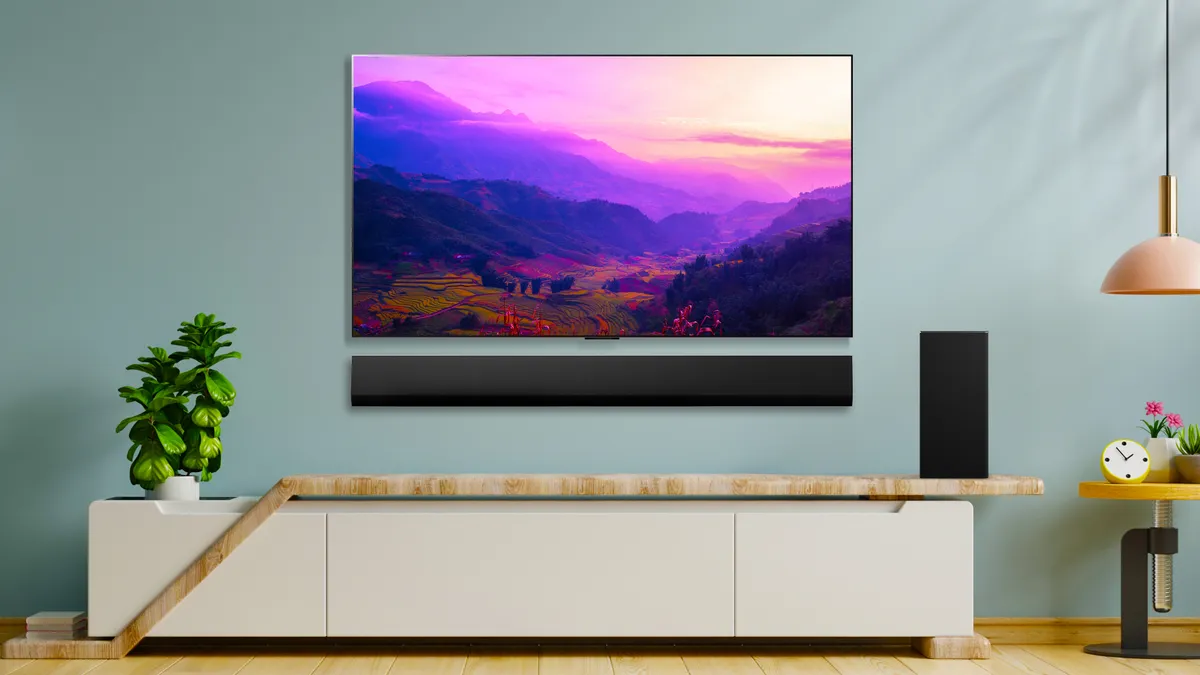
OLED evo is the name of a collection of hardware- and software-related technologies all working together to enhance the performance of an LG OLED TV. .
OLED evo is the name of a collection of hardware- and software-related technologies all working together to enhance the performance of an LG OLED TV. However, OLED evo is not an altogether different OLED panel technology, even though some OLED evo TVs (like the LG G6) do leverage a more premium type of display.
LG's OLED evo TVs are engineered with different materials than garden-variety OLEDs. According to LG, OLED evo panels use deuterium-based compounds, which can safely get brighter than hydrogen-based OLED panels.
There's more to OLED evo than their materials. LG's top OLEDs also leverage some of the brand's most-powerful processing chips. Since these TVs are engineered to achieve higher levels of brightness than non-evo OLEDs (often for longer periods of time), OLED evo TVs process the picture differently, too.
Is OLED evo worth it?
If you're shopping for an LG OLED in 2026, you have your pick of last-year's sets and the latest models. Depending on your budget and your viewing habits, an OLED evo TV might be worth the added cost.
At the entry-level tier, the B5 and B6 OLEDs represent the most affordable options. The aforementioned C5 will share shelf space with the LG C6, while the LG G5 will linger on shelves until it's replaced by the G6.
Of these TVs, only the B5 and B6 are standard, non-evo OLED TVs. Their panels might be equipped with deuterium-based compounds, but LG's suite of OLED evo technologies isn't fully represented on these sets.
Unsurprisingly, the LG B5 isn't as bright (or quite as colorful) as the LG C5, and it's nowhere near as impressive-looking as the LG G5, which also has the benefit being built around LG Display's Primary RGB Tandem OLED panel.
We clocked the B5's HDR highlight brightness at around 650 nits. Meanwhile, the mid-range C5 scraped 1,200 nits and the flagship G5 pumped out a whopping 2,300 nits.
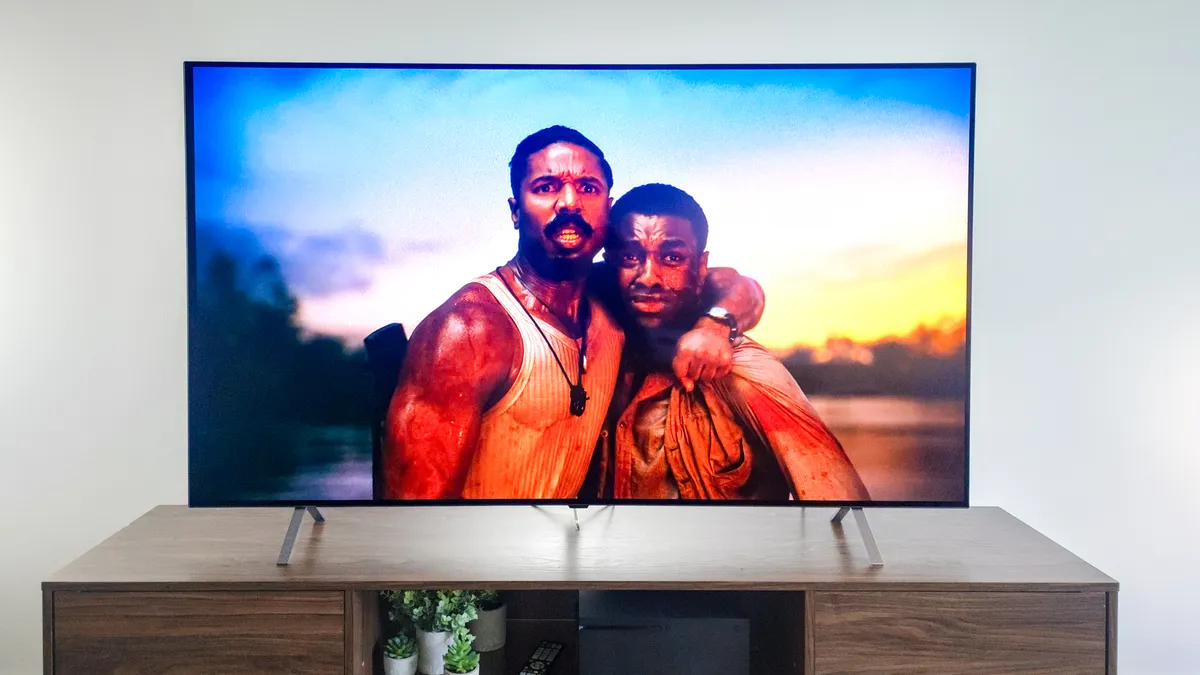
I recommend taking a good, hard look at an OLED evo model.
Even if we set aside the G5 and it's cutting-edge panel type, there's a marked difference in performance between the B5 and the C5, both of which leverage a standard WOLED panel from LG Display. I suspect the story will be similar when sizing up the B6 and C6 this year.
If you're in the market specifically for an LG-branded OLED and you've got a relatively bright living space, I recommend taking a good, hard look at an OLED evo model, even if it's just a matter of choosing the C Series over the B Series.
Yes, you will pay more for the addition of OLED evo. But, if you're shopping with sale pricing involved, the difference in cost isn't that steep. A 55-inch LG C5 is $1,096 at Amazon right now, while a 55-inch LG B5 is $896 at Amazon.
That extra $200 buys you the added brightness and a more energy-efficient (and potentially longer-lasting) panel. The punchier picture will make a significant difference, especially during daytime viewing.

Follow Tom's Guide on Google News and add us as a preferred source to get our up-to-date news, analysis, and reviews in your feeds.
More from Tom's Guide