Ever since I first tried a LAB Golf putter, I've been sold on the concept of zero torque, lie-angle balance, and all the other terms the company uses to describe its putters designed to stay square through the entire putting stroke.
Since then, I've tried most of the company's putters, from the original DF 2.1 in all its massive glory to the compact, newly-released Link 2.2 (my current favorite). So when I had the opportunity to chat with the LAB's Co-Founder, Sam Hahn, about all things golf and putting, I jumped at the chance.
'Co-opting our marketing language for their benefit'
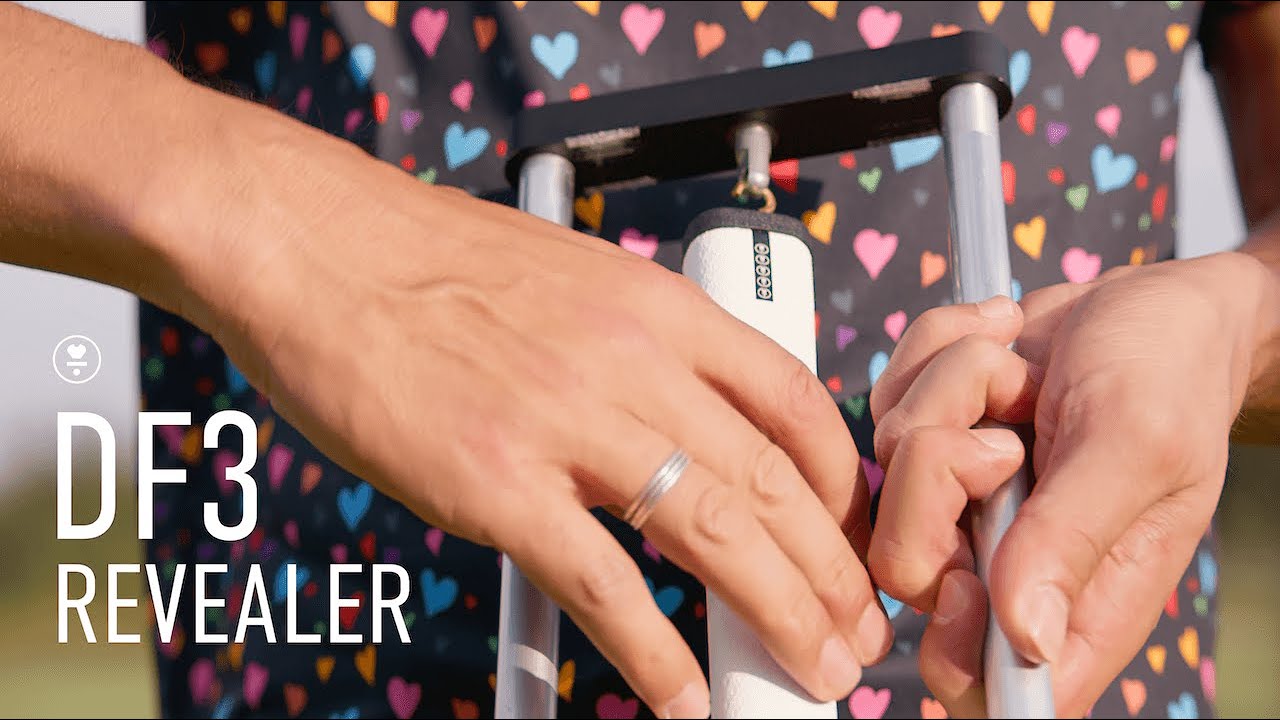
"Anybody that's ever golfed before has pulled their putter back off the ball, and just kind of felt it kind of fighting them and being a little wiggly," said Hahn. "We put the shaft in the center or very near the center of mass. We then do some fine-tuning with all of our fancy weights to make it so that the putter helps to square itself."
Hahn is a self-proclaimed golf nerd, so I knew he'd have some interesting thoughts on the golf world, especially after his company (which he recently sold) made a huge splash in the putting space. The usual suspects that dominated putting, like Callaway-owned Odyssey, Titleist-owned Scotty Cameron, and TaylorMade Spiders, had to take notice of this new player.
And when you're the leader and a new player starts to take over, what do you do? You take their idea and do it yourself.
But that's where Hahn's issue comes up: he feels these other companies "water down 10-plus years of hard work and development." Hahn event said competitors are "co-opting our marketing language for their benefit without really any concern for the consumer."
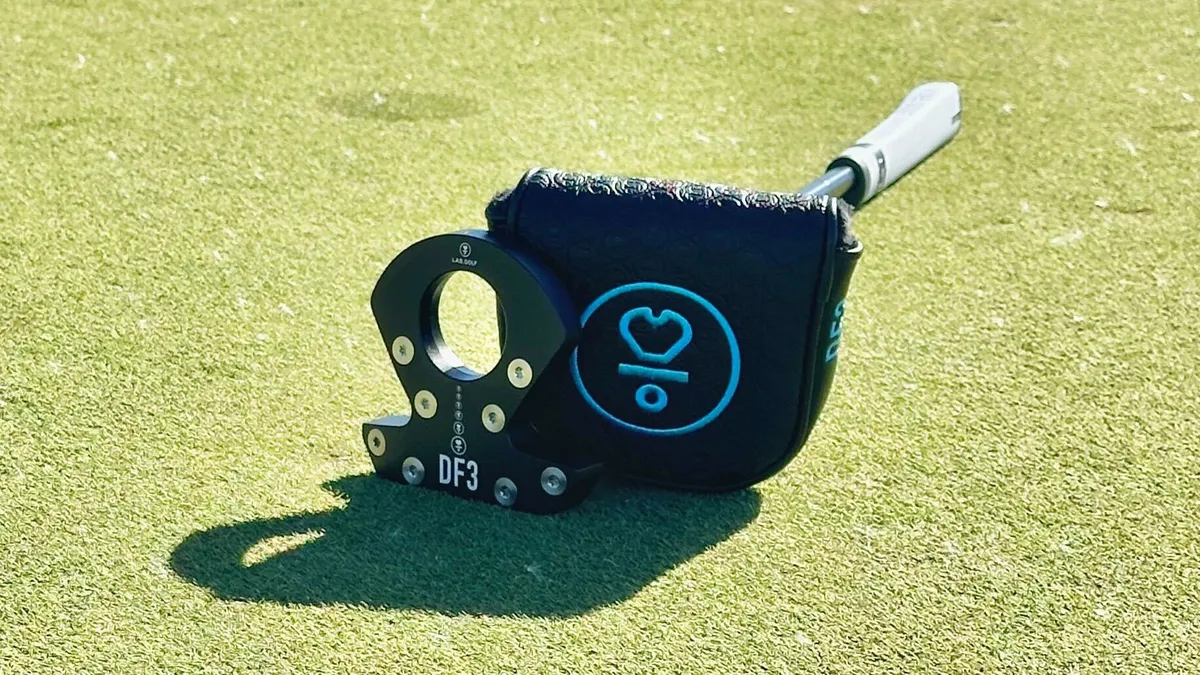
It's not that Hahn is against competition. LAB had existed almost uncontested in the zero-torque space for many years, and he knew competition would come. "We were in a totally competition-free environment for the first 5 years of our existence," he said. "The competition has definitely helped inspire and push us to keep developing the technology."
But for Hahn, the issue is about consumers getting putters that aren't up to par (pun intended). According to Hahn, some competitors "are just so comfortable putting less-than-stellar product out there."
The low/zero torque putting trend
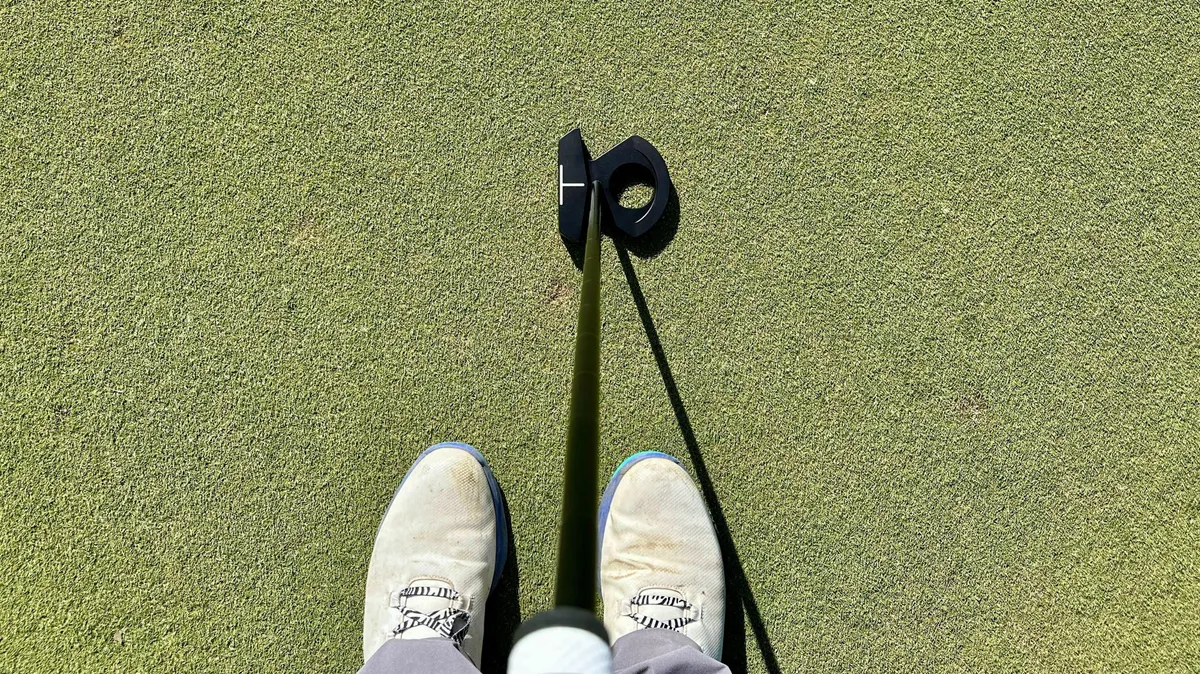
When I asked whether Hahn thought the other putter makers saw low/zero torque or Lie Angle Balanced as a gimmick they could capitalize on for cash, he quickly shot down the idea that anyone would view the design as such.
"I don't know that they necessarily think it's a gimmick," he said. "I think that they believe in the tech, and at this point, how could you not? It works, and everybody has a friend who's putting better since they got into this technology."
I reached out to a top-ranked PGA teacher to ask for his thoughts on the zero-torque putting trend. Heath Wassem, PGA Director of Golf at the Golf Performance Academy in Ridgefield, CT, didn't shoot down the idea of these putters. "I think the engineering in zero-torque putters is solid and the trend will extend over time and more people will be comfortable with it," he said.
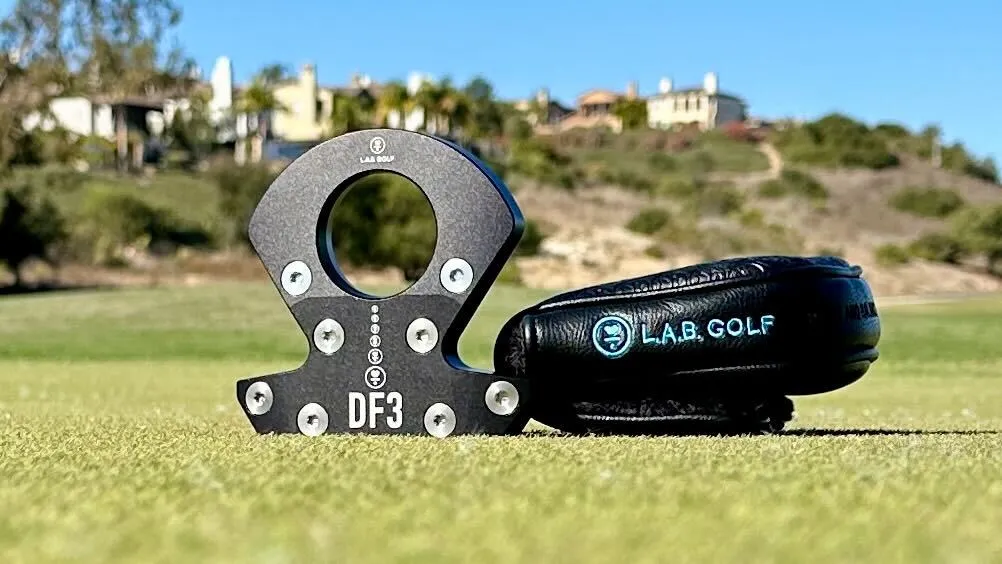
However, he did point out that the torque in a putter actually allows more feel for distance, which is why, according to his research, "less than 10 percent of players on the Tour have adopted this type of putter."
"It can increase the make rate on shorter puts, but distance control may suffer," he said. "With zero-torque putters, you can’t feel as much distance control because they have taken the torque out of the centric part of feel."
Like anything, there's a tradeoff. For me, as a higher handicap golfer, making more putts inside 10 feet is a huge benefit and worth the loss of distance control. For a PGA player who expects to make most of their putts inside 10 feet (the current PGA tour lead belongs to Vince Whaley, who made 91.65% if his putts from this distance), this is less of a concern. "The average golfer should focus on putting from 10 feet and in and work on increasing their make rate," explained Wassem.
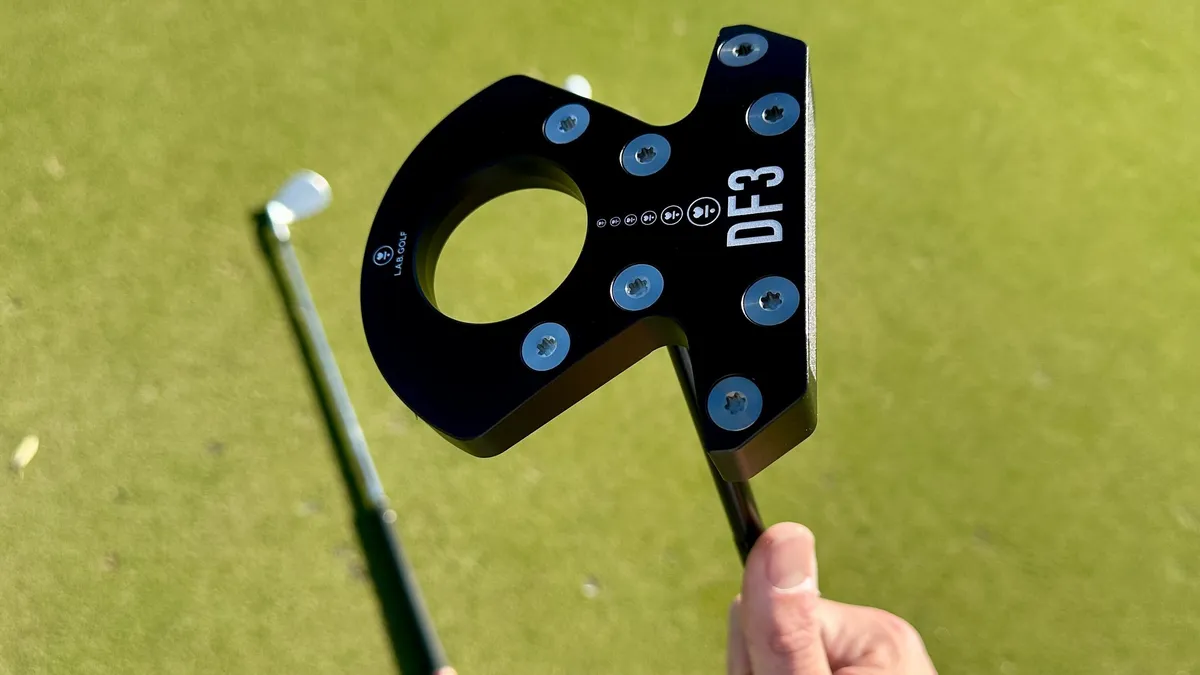
And zero torque isn't going anywhere. "Callaway has the Zero-Torque Square, TaylorMade has the Spider, Titleist and Scotty Cameron have the OC (onset center) line. They are all capitalizing on sales," notes Wassem. With all the big putter brands on board and LAB growing fast, it's obvious that we'll see these putters continue to evolve and perhaps even negate the issue with distance control.

Follow Tom's Guide on Google News and add us as a preferred source to get our up-to-date news, analysis, and reviews in your feeds. Subscribe to Tom's Guide on YouTube and follow us on TikTok.
More from Tom's Guide
- Of all the parts of my $9,500 golf simulator, this $280 hitting mat was the key to improving my game
- You haven't used a golf launch monitor until you've tried Foresight GC3 — here's my thoughts after 6 months of testing
- I replaced my TV with a 4K projector — and it was the best thing for my golf swing