







Snapdragon Satellite, the apparent Android rival to the iPhone's Emergency SOS via satellite feature, is ending according to Qualcomm, the maker of the Snapdragon chips that power the best Android phones, and satellite comms company Iridium, the two companies that partnered to make it.
According to an Iridium press release, this satellite comms service will be officially ended as of December 3rd, 2023. Snapdragon Satellite was only announced in January of 2023 at CES, so this is a very abrupt death.
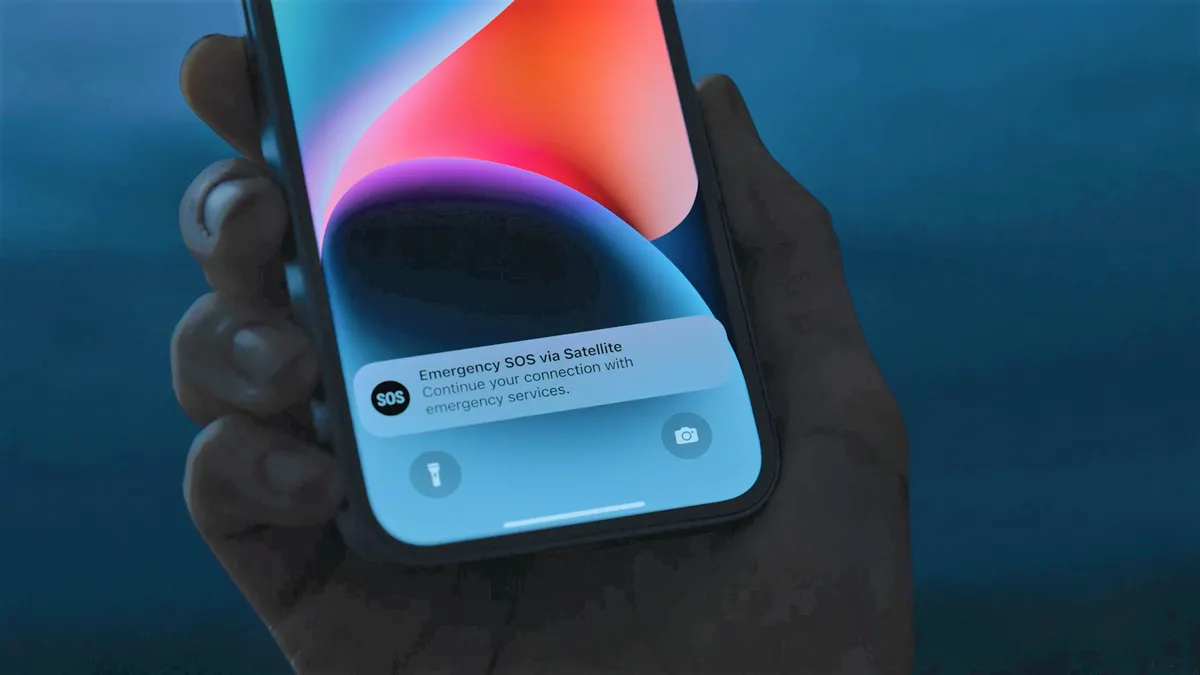
Satellite communication on regular smartphones first appeared on the iPhone 14 series, and continued on this year's iPhone 15 models. Apple's Emergency SOS via Satellite feature is, as the name suggests, intended for emergency usage as a method of broadcasting a user's location to emergency services, or also to breakdown repair services in the iPhone 15's case.
While we never got to try Snapdragon Satellite out, it was claimed to offer regular SMS communication via satellite alongside emergency alerts. This would have permitted you to stay in contact with people while outside of normal cell signal without sounding an alarm, something the iPhone 14 or iPhone 15 can't manage.
Android phone makers' fault
Iridium has suggested that the reason for its partnership with Qualcomm ending is that phone makers just haven't implemented the technology, despite promises from companies like Motorola, Nothing and several other Chinese phone brands to offer the feature on their upcoming phones.
According to Iridium CEO Matt Desch, quoted in the Iridium press release: "[Qualcomm and Iridium] successfully developed and demonstrated the technology; however, notwithstanding this technical success, smartphone manufacturers have not included the technology in their devices."
It's odd that these companies didn't stand by their promises, especially when it would have meant getting a head-start on big rivals like Samsung and Google. In a statement given to CNBC, Qualcomm said that phone manufacturers have "indicated a preference towards standards-based solutions," suggesting that they may not have wanted to implement a satellite service that was tied directly to Qualcomm's chips, giving one of their key component partners even more influence over their devices.
Not completely dead?
This probably isn't the end of the satellite communication for Android dream. Iridum also announced as part of its statement that it will be "free to directly re-engage with smartphone OEMs, other chipmakers, and smartphone operating system developers that the Company had been collaborating with previously," as of the termination of the agreement. Qualcomm also said that: "We expect to continue to collaborate with Iridium on standards-based solutions," in its CNBC statement.
Even beyond these two particular companies, others are known to be looking at this tech. One example is the Motorola Defy Satellite Link accessory that offers satellite SOS and two-way messaging for any device via Bluetooth. There have also been rumors of Google Messages offering support for the Garmin Response network to fulfill a similar safety purpose.
The bottom line right now for anyone wanting the reassurance of satellite communication in an emergency will have to plump for a newer iPhone model over an Android phone. But hopefully in the near future, satellite capabilities will come to Android, albeit later and in a different form to what we initially expected.
More from Tom's Guide
- Samsung Galaxy S24 Ultra specs — here’s what we expect
- iOS 17.2 beta code reveals Apple may soon enable sideloading apps on iPhone
- Black Friday iPhone deals — 7 sales I recommend now

