If you tend to focus on training your "mirror muscles" — the ones you can see, like your abs, pecs and biceps — then the reverse plank march is a move worth knowing about.
It strengthens the whole posterior chain, so all the muscles you might well be neglecting if you focus on the front of your body in your workouts. The reverse plank march works the back, glutes, hamstrings and calves while also firing up your core.
Strengthening my hamstrings has been my long-term focus during workouts this year because I noticed (as a keen runner) they were the part of my body most prone to niggles.
Doing a move that then also works my glutes, calves and core, which are also key areas I focus on to support my running, seemed like a big win, especially because you don’t need any equipment to do the reverse plank march.
I’ve added the reverse plank march to most of my workouts in the last couple of weeks, and I’ve certainly noticed the effect on my hamstrings.
How to do the reverse plank march

You can do the reverse plank march without any equipment, but it helps to perform the exercise on one of the best yoga mats, which will provide better grip for your hands and feet.
- Sit with your legs stretched out in front of you.
- Put your hands on the floor behind you, with your fingers pointing toward your feet.
- Engage your core and glutes and drive your hips up so your body forms a straight line from your shoulders to your feet.
- Hold this position — don’t let your hips sag — as you slowly lift one leg and bring the knee toward your chest.
- Place that foot on the floor again and do the same with the other leg.
This is a challenging exercise, so if you’re struggling to do the march, try holding the reverse plank position for 30 seconds instead and doing glute bridges to build up your strength.
I try to do five reps on each side for the reverse plank march, which doesn’t sound like a lot, but the difficulty of the move means even that feels like a serious challenge, and I certainly noticed DOMS in my hamstrings after my first couple of times.
Reverse plank march vs reverse plank crunch
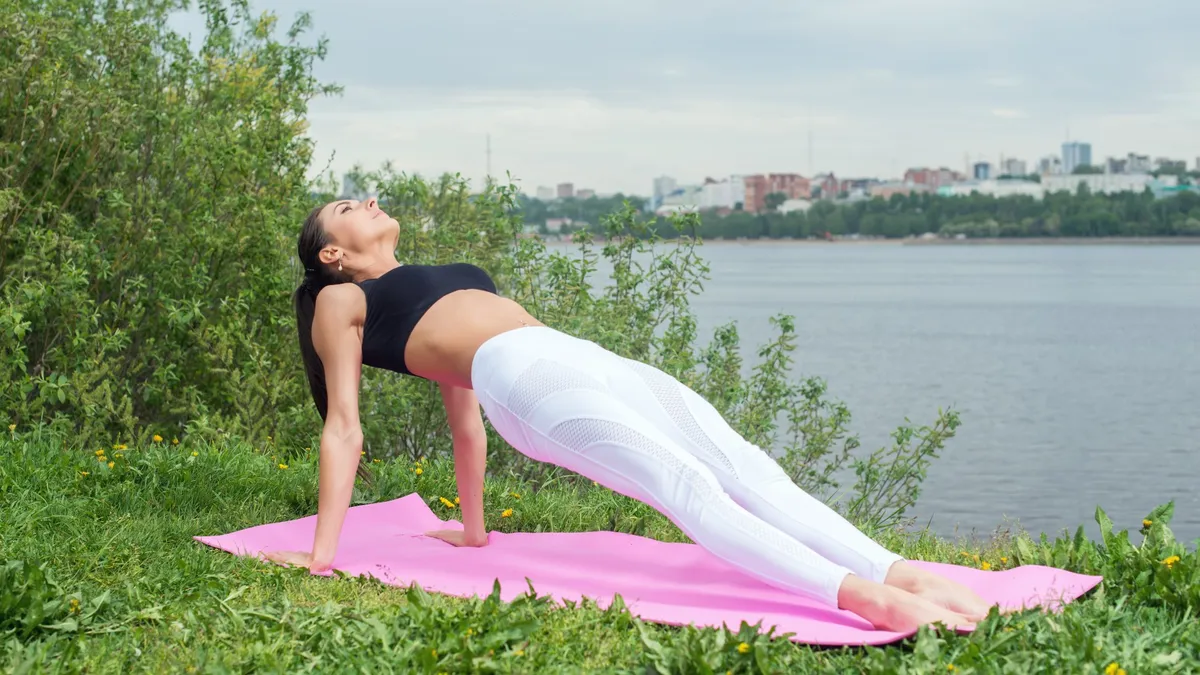
The reverse plank crunch is another exercise that works the same areas of the body, and for me, it seems pretty much identical to the reverse plank march.
You get into a reverse plank position, then lift your leg, bringing one knee toward your chest. Maybe you "crunch" the knee further toward your chest to make it a crunch, not a march, but the movement looks very similar.
Whether you call it a march, a crunch or even a knee drive, you’re going to be doing your posterior chain a lot of good.
Benefits of the reverse plank march
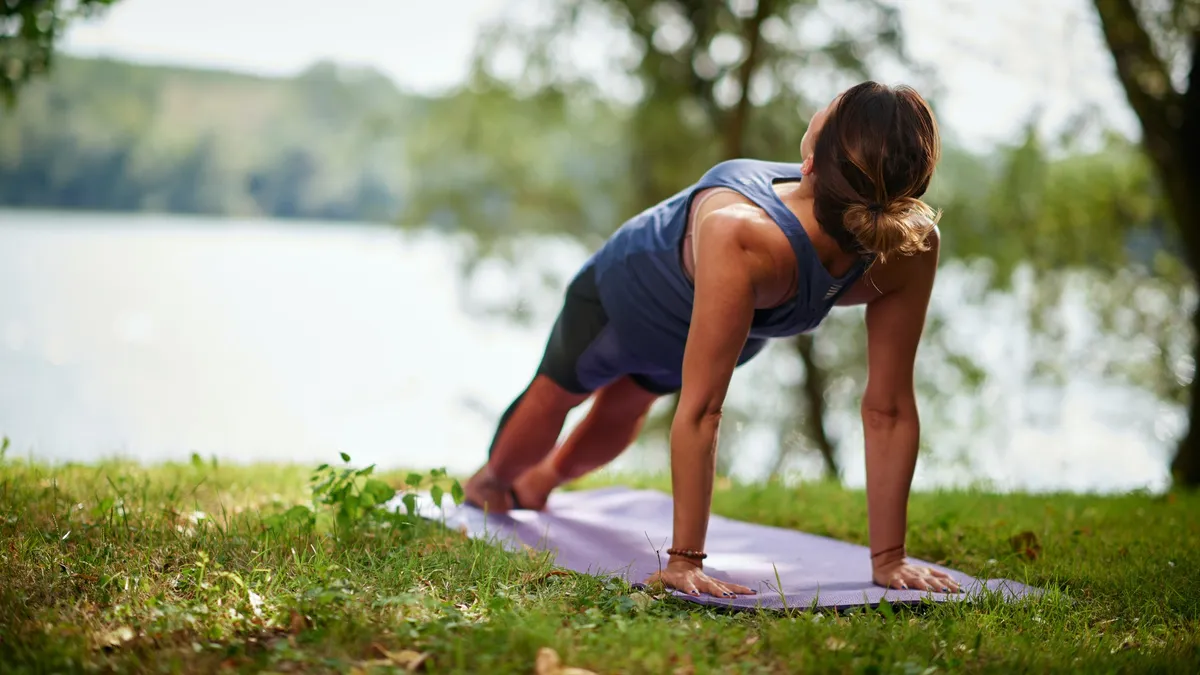
The reverse plank march works many muscles at the same time, and a lot of them are muscles that typically don’t get as much attention as they should because they’re located at the back of your body.
Your shoulders, back, glutes, hips, hamstrings and calves are all strengthened by the move, and I noticed the effect on my glutes and hamstrings in particular. Since you’re also holding the reverse plank position throughout, it’s a great move for your abs and core, especially the deep stabilizing muscles.
The focus on your posterior chain helps improve posture and counteract the negative effects of sitting at a desk for long periods each day.
With the march in particular, I love that it works each side of the body in turn, which makes it a great move for runners. You can feel if one side of your body is stronger than the other in the move, and take steps to address that imbalance.
A key part of the strength training I do for running is to build up my core endurance to make it easier to maintain good running form throughout long races, and the reverse plank march is the perfect move for that, hitting the core, hips and glutes hard.
This kind of foundational core strength isn’t just useful for runners though; it’s something everyone should consider to make everyday movements feel easier, while improving performance across any workout.
Doing just one exercise won't be a magic bullet to address all your strength and posture concerns, but the myriad benefits of the reverse plank march make it a worthy addition to almost any training routine.
Follow Tom's Guide fitness on Instagram for more workouts, routines, tips, and tricks.

Follow Tom's Guide on Google News and add us as a preferred source to get our up-to-date news, analysis, and reviews in your feeds.
More from Tom's Guide
- Forget back pain, this low-impact ab workout builds strong abs in just 3 moves
- I’m a weightlifting coach — 5 ‘old-school’ exercises that still build functional strength and muscle all over
- No squats! I just tried this 8-minute chair workout, and it’s perfect for seniors, beginners, and anyone looking to build strength without impact