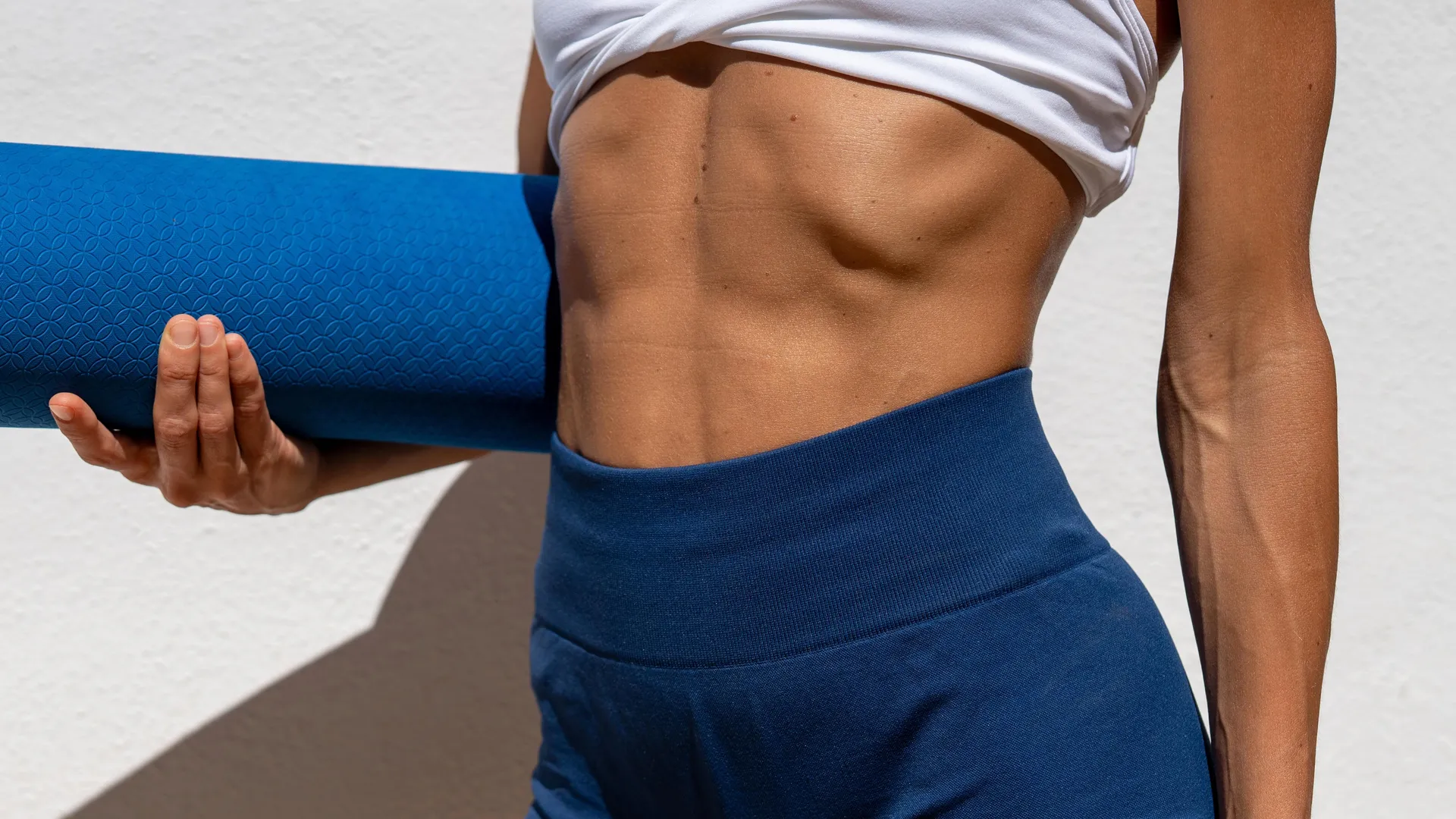
I’ve been practicing Pilates for the past 15 years — it’s kept me strong enough to run six marathons, and helped me to rebuild my core postpartum. One exercise in particular helps target my deep core, blast my lower abs (a part of the midsection often missed in moves like sit-ups and crunches), and strengthen my hip flexors: the butterfly kick — read on to find out more.
As a reminder, what works for me might not be right for you and your body. If you’re a complete beginner, you’re pregnant or postpartum, or you’re dealing with a specific injury, it’s always best to seek personalized advice from a qualified professional.
What is a butterfly kick?
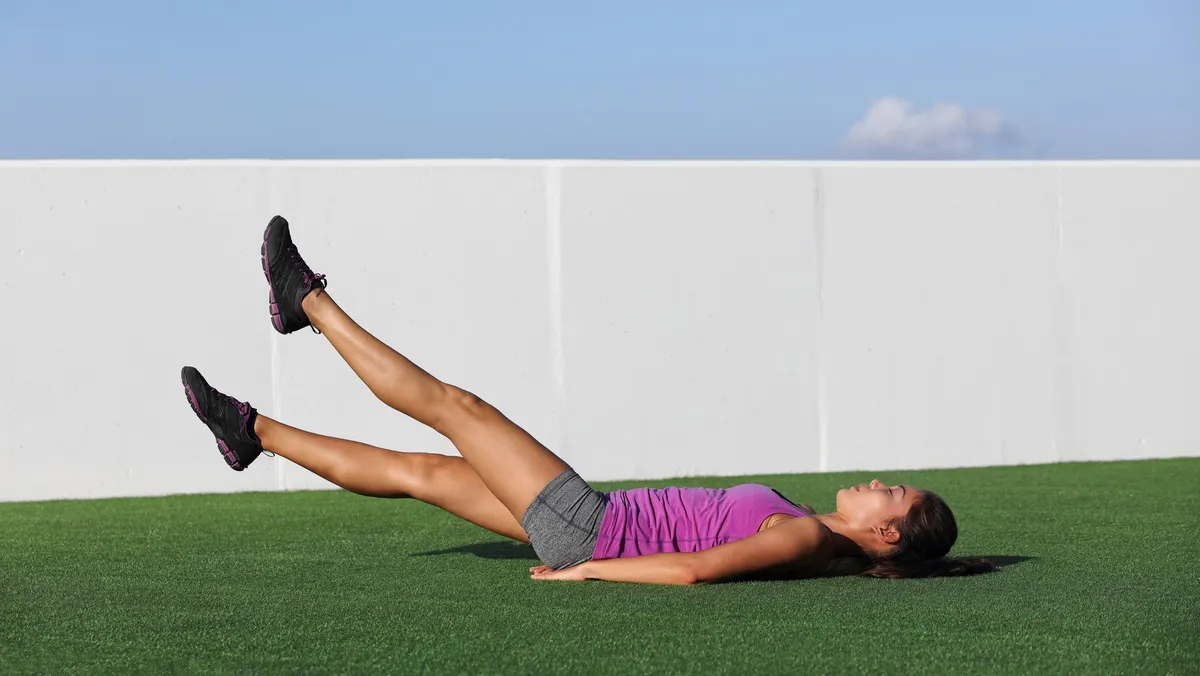
Butterfly kicks, also known as flutter kicks, are an ab exercise performed lying on your back on an exercise mat. They might look like you’re swimming on land, but you’ll be working your deepest transverse abdominis muscles, which help stabilize your spine and act as your body’s natural corset.
You won’t need any additional equipment for this exercise, but you might want to use one of the best yoga mats to make things more comfortable.
Here’s how to do butterfly kicks:
- Start on your back with a 90-degree bend in your knees and your hands resting gently behind your head, by your sides, or under the small of your back.
- Engage your core, thinking about sucking your belly button into your spine. You want to ensure your lower back stays pressed into your yoga mat throughout this exercise. Arching your back can lead to back pain.
- Lift your head, neck and shoulders off the floor, tucking your chin to your chest and keeping your gaze to your toes.
- Extend one leg, then the other, and flutter your legs up and down, keeping your toes pointed. This doesn’t have to be a big movement, just a few inches up and down, as if you’re swimming.
Remember that the key to avoiding back pain during this movement is to ensure that your back stays pressed into the mat. If you feel your back peeling away from the mat, raise your legs higher towards the ceiling. If you feel tension in your neck, lower your head, neck and shoulders back to the mat.
Your upper body should also be still during this move. If you can feel your hips rocking from side to side, focus on squeezing your core, zipping your abs up and in as if you were trying to squeeze into a pair of jeans a size too small. Slow the movement down; it doesn’t have to be fast. It’s more important to move with good form.
What are the benefits?
Deep core engagement
While exercises like crunches and sit-ups target the outer six-pack muscles, with butterfly kicks, you’re working the deepest layer of abdominals — the transverse abdominis. Your deep core is working hard during this move as your legs extend and flutter. They’re wrapping around your midsection to act as a corset and stabilize your torso.
You’ll also be working your pelvic floor muscles in this exercise, especially as you focus on keeping your pelvis still as your legs kick. This makes butterfly kicks a great move for women postpartum (make sure you’ve been signed off to exercise by your midwife first) and anyone looking to improve bladder control.
Working the lower abs
It’s not just your deep core getting a workout in this move. You’ll also be hitting the lower abs, which are under constant tension in this exercise to support the weight of the legs. This is a difficult area to target with traditional abdominal exercises; it can help tone the midsection when paired with a nutritional diet and daily movement.
Strengthening your hip flexors
The kicking motion of this exercise requires the hip flexors to work hard. You’ll be strengthening the hip flexors as you move through a functional range of motion. This, in turn, can help improve your gait and efficiency in your running and walking workouts, as well as your mobility and posture.
What are the modifications?
This exercise can be tricky, especially if you feel it in your lower back and hip flexors. As mentioned above, to make things easier, place your hands in a diamond shape directly under your sacrum. This naturally tilts your pelvis, making it easier for your lower abs to keep your spine pressed into the floor.
If you’re finding this move challenging, start by doing Pilates toe taps instead. Keeping a 90-degree bend in your legs, tap one toe, then the other to the floor while keeping your head, neck and shoulders lifted off the mat and your core engaged. This will help work on your abs and hip flexor strength, without the intensity.
Finally, to increase the intensity, hover your arms by your sides as you stay lifted in the move. This will increase the intensity of the deep core. Alternatively, extend your arms out behind your head as you flutter, so you’re in a hollow body hold for the ultimate test of core strength.
Follow Tom's Guide fitness on Instagram for more workouts, routines, tips, and tricks.

Follow Tom's Guide on Google News and add us as a preferred source to get our up-to-date news, analysis, and reviews in your feeds.
More from Tom’s Guide
- Ditch the gym — you just need 20 minutes and 1 pair of dumbbells to define your core and develop full body strength
- Develop healthy hips and strengthen your lower body with this 3-move stretching routine
- I tried the Helio smart ring — 5 things that surprised me about this budget-friendly Oura alternative