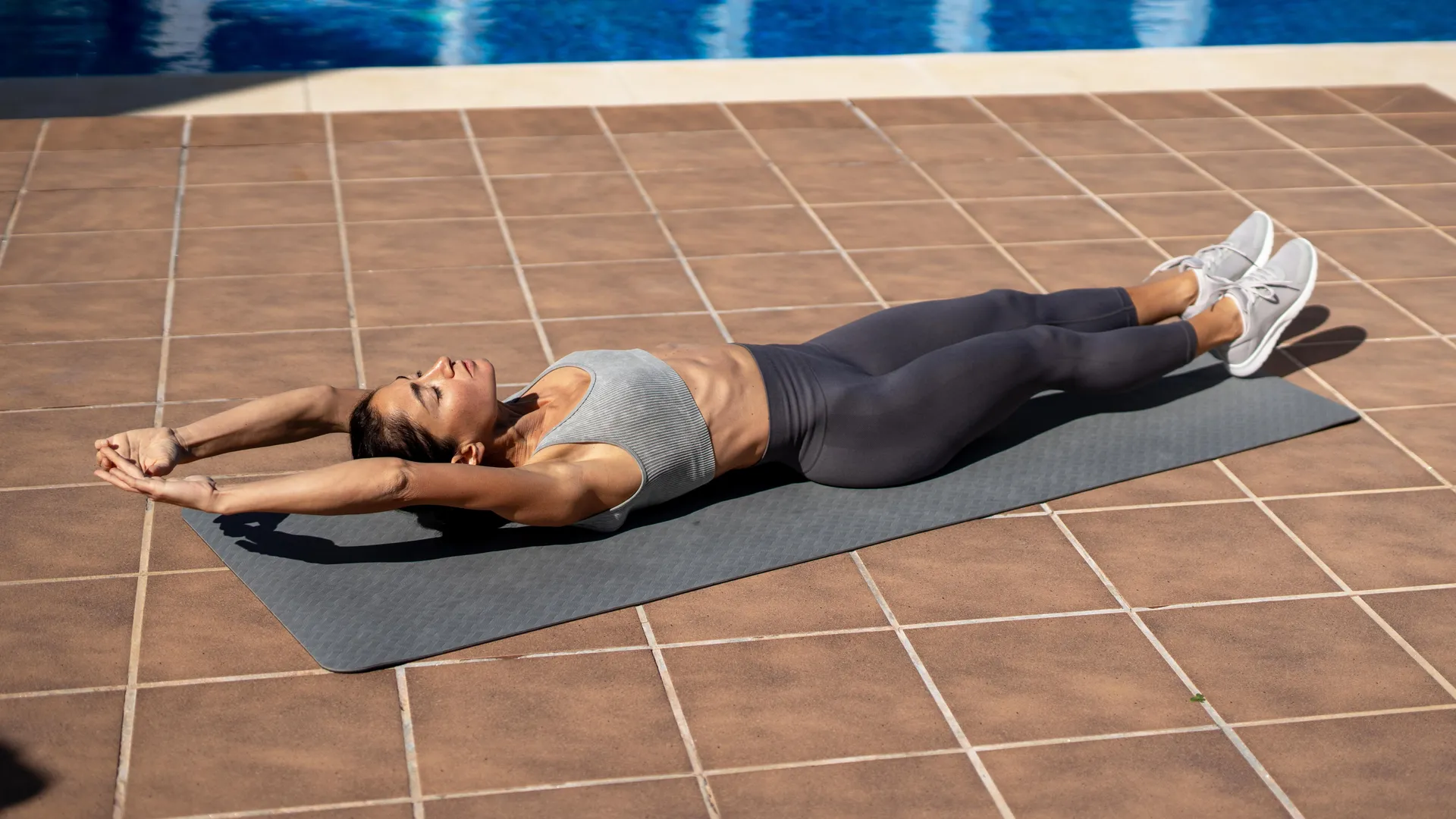
Classic Pilates exercises are derived from the original Joseph Pilates method, and they stand the test of time because they do exactly what they're supposed to: strengthen and mobilize.
One of the best Pilates exercises I use often, and which is also suitable for Pilates beginners, is the leg circle. This might look simple, but it has plenty of benefits for building hip mobility and core strength.
Rebecca Dadoun, Pilates instructor and founder of Pilates Prescription, shares a comprehensive guide to one of Pilates’ most classical and challenging moves.
As a reminder, it's always worth checking in with your physician or another relevant expert if you’re pregnant, postpartum, dealing with an injury, or currently working with a health condition.
What are Pilates leg circles?
"Pilates leg circles are a full-body Pilates move from the classical repertoire that requires you to disassociate (move a limb without moving the trunk) the leg from the body while moving it in a circular movement. The work is in maintaining stillness through the body," says Dadoun.
Leg circles are a foundational exercise, but this isn’t just about moving the leg in circles. Dadoun shares that the exercise teaches control, stabilization, and strength while still finding stillness through the body. If you can do this, then leg circles build core strength, improve hip mobility, and enhance overall coordination.
Here's how to do them:
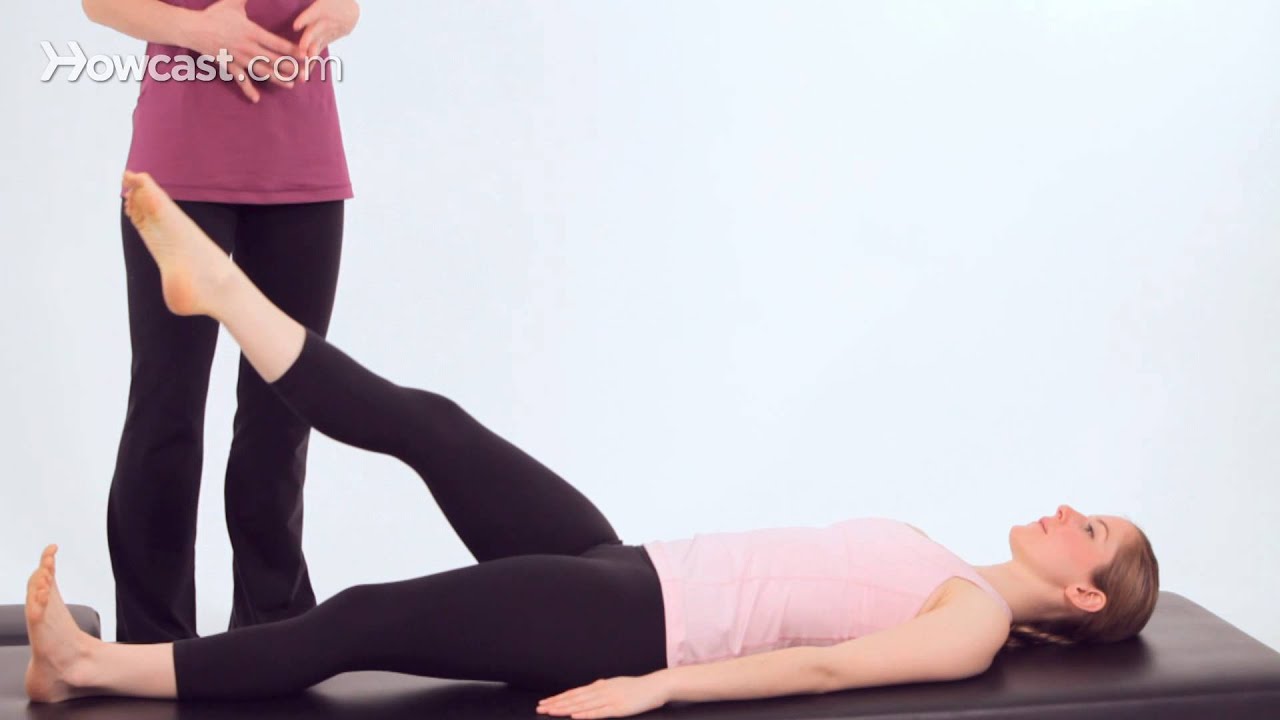
- Lie on your back with your legs extended and pressed into the floor, feet flexed.
- Place your arms by your sides, palms pressing into the mat.
- Bend your right knee into a tabletop position, lifting the leg away from the mat
- Turn the hip out so your knee is angled more toward your shoulder, then lengthen the leg toward the ceiling, foot softly pointed.
- As you inhale, draw your right leg across your body
- As you exhale, use a sweeping circular motion to lower the leg, take it outward and back up to the starting position
- Continue for reps, changing directions if you wish, then switch sides.
Dadoun advises keeping a bend in the knee of the moving leg if you can’t lengthen it, even creating a tabletop position if needed; this might be due to tight hips or hamstrings, so modify as needed until you build strength.
As you work, keep your lower back pressed into the mat and your chin tucked, resting your spine completely. Try to keep your spine and pelvis still throughout, and only make the circles as big as your body allows without losing form. Over time, as hip mobility and core strength improve, you might find better stability, which will allow you to create bigger circles.
"Use the backs of the arms to stabilize and anchor through the leg on the floor," adds Dadoun. "Think about the heel reaching away from the body in the stabilizing leg."
"Breath is key. Think about drawing the navel in towards your spine as you fully exhale through the mouth." Unlike yoga, where you're encouraged to breathe entirely through the nose, Pilates instructors will often teach you to breathe in through your nose and exhale through pursed lips.
What are the benefits of doing Pilates leg circles?
Stronger hips, core, and leg muscles
"You are strengthening the hip flexors and the leg muscles, but the whole body should be working to stabilize," says Dadoun. Your core muscles help stabilize the body; the supporting leg is actively pressing into the mat; the backs of the arms help anchor the body.
Better hip mobility
Although typically seen as a core exercise, leg circles also improve hip mobility by moving the hip through rotational motion and increasing range of motion. The more range you have in your hips, the better your ability to move properly during daily activities, sports, and exercise.
More control
Leg circles teach your body to control movement through the entire range of motion, consciously contracting your core while trying to move your leg and hip independently of your torso. This is great for building your mind-muscle connection.
Who are Pilates circles best for?
"Pilates leg circles are more suited to someone who has practiced Pilates for a while," says Dadoun. "I’m hesitant to level a leg circle, as everyone has different strengths, and modifications can always be used with the same results."
If you are a beginner trying this, bending the knee and moving the leg from a tabletop position is an accessible way to keep the move beginner-friendly, and give it a try.
Follow Tom's Guide fitness on Instagram for more workouts, routines, tips, and tricks.
Follow Tom's Guide on Google News and add us as a preferred source to get our up-to-date news, analysis, and reviews in your feeds.

More from Tom's Guide
- The caterpillar walk is considered the 'gold standard' for lower body mobility and flexibility — here's how to do it
- Not sit-ups or lunges — I use this simple Pilates exercise to sculpt strong obliques, inner thighs and hip stabilizers
- 'I’m a Pilates instructor, and I recommend these 5 core exercises to help older clients build strength and improve posture'