It happens to me every year. Apart from deciding when to turn on my heating, I always have another dilemma. I’m never sure what to set my thermostat to in winter.
I want to know how to get my heating balance just right, so I’m not shivering and wearing so many layers that I can’t move, or sweltering and dealing with unnecessarily high energy bills. So rather than guess, I called on heating experts to determine the best temperature to set my thermostat to over winter.
What is the best temperature to set your thermostat to over winter

My first port of call for energy advice is always the U.S. Department of Energy, and apparently the magic number to set your thermostat to while you're at home is 68°F.
And this advice is echoed by all the HVAC experts I approached.
“At 68 degrees, your heating system provides sufficient warmth to counteract heat loss through walls, windows, and doors, without unnecessarily overheating your home,” says Michael Morey, Smart Thermostat and Home Product Manager at Trane.
Although your thermostat doesn’t have to stay this high while you’re asleep or away from home.
What about the summer?
Instead of keeping your thermostat at the same temperature throughout the year, in summer, Danny Reddick, President at Reddick & Sons, recommends increasing it to between 75°F-78°F when you are at home. And he explains, "Keeping it lower than necessary increases costs and forces the AC to work harder."
He also advises to raise the temperature even further when you are away, so the AC is not working unnecessarily.
What should you set your thermostat to when you are away?

A good rule of thumb is to keep the temperature lower when there is inactivity or no occupants in the home, with Morey explaining that even subtle adjustments can potentially lead to significant savings. But how low do you go in winter?
“I always recommend sticking to the 10-degree rule,” says Eli Zimmer, Director of Operations at Luxaire HVAC Services. “This means that when you leave for an extended period of time, you can set your thermostat to 10 degrees above or below (depending on the time of year) the normal temperature.
He explains that this will ensure your home stays within an acceptable temperature range while helping you save money.
Then, if you have a programmable thermostat or a smart thermostat, you can raise the temperature 30 minutes or so before you return home.
Lowering the thermostat by a few degrees during the night can lead to substantial energy savings without compromising your comfort.
Michael Morey, Trane
What else do you need to consider?
In some circumstances you may wish to keep your thermostat at 68°F, for instance if you have infants, older adults or medical conditions to consider.
And while you're asleep...
You can also turn down your thermostat while you sleep. “When you’re under the covers in bed at night, your body’s lowered activity level means you require less warmth,” says Morey, “Lowering the thermostat by a few degrees during the night can lead to substantial energy savings without compromising your comfort.”
What will happen if I set my thermostat too low?
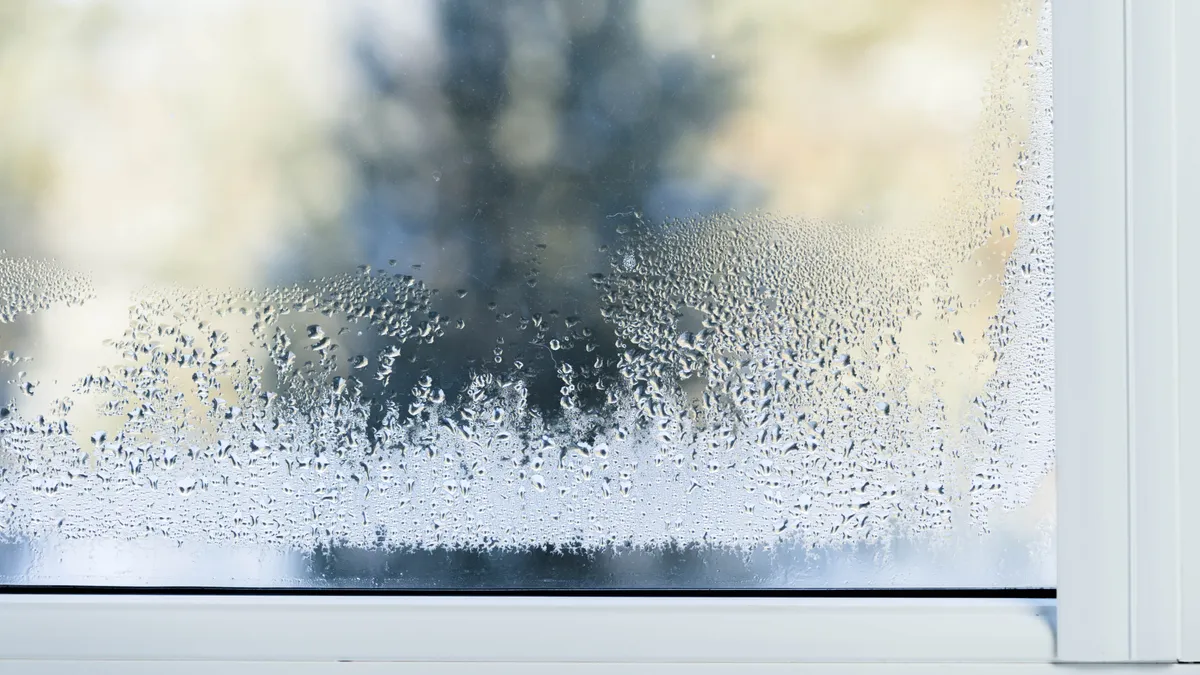
Problems can occur if you set your thermostat at the wrong temperature. Josh Locker, Director of Technical Services at AUX Air, says that if it’s 60°F or lower and you live in an older property or one that is poorly insulated, your home could be prone to condensation or frozen pipes near exterior walls. ”If not set properly, it’ll make your system overwork, lose efficiency and cost more,” he says.
If you don’t have a smart HVAC system, he advises running a short test cycle to listen for unusual sounds to confirm that warm air is flowing correctly. “Catching small issues ahead of time can prevent a full breakdown when you need heat the most,” he says.
Should you ever turn your thermostat off?

Although you might think turning your thermostat off will save you money, Zimmer warns it could cause unwanted issues in your home, and says, “You should never turn your system off when you leave, because temperature regulation is incredibly important for the health and integrity of your home. Without it, problems ranging from mold growth to wood cracking to glass breaking to even an increase in fire hazards can occur.”
Does cranking up the thermostat heat your home faster?

It’s tempting when you return to a cold home to ramp up the thermostat for a quick blast of heat. However, Locker says it won’t heat your home faster.
“What it does is make it run longer, overshoot and waste energy,” he explains, adding that HVAC systems operate at a consistent rate, and increasing the thermostat above what you require will keep it running longer before the thermostat tells your system to switch off or back on.
And Morey adds that the same happens in reverse: “Lowering the thermostat below your desired temperature won't expedite the cooling process,” he says.
Rapid adjustments can force your system to work harder, increase wear on components, and temporarily reduce comfort
Danny Reddick, Reddick & Sons
While it might be tempting to drastically increase or decrease the temperature on your thermostat, it’s not something Reddick advises, and he says, “Rapid adjustments can force your system to work harder, increase wear on components, and temporarily reduce comfort. Gradual changes of 2°F–3°F at a time are more efficient and safer for your system.”
Should I keep my thermostat at a constant temperature?
The straight answer is no. Keeping your thermostat at a consistent temperature, whether you are home or away, won’t save you money on your bills. “While it’s true that your HVAC system works harder to adjust to a new temperature when you return home, this additional effort is more than offset by the energy savings gained when the system maintains the setback temperature while you are away,” explains Morey.
Instead, he suggests, “Dropping indoor temperatures a few degrees is one of the easiest ways to save energy without sacrificing comfort," and he adds, "According to the U.S. Department of Energy, homeowners can save about 1% on heating costs for every 1°F setback sustained for eight hours, which adds up to roughly 10% a year if consistent.”
How to get the most out of your heating in winter

I like to think that my heating system looks after itself. Unfortunately, just like everything else in my home, it needs to be cleaned and maintained to work efficiently. And Locker agrees that the best way to get the most out of your heating in winter is to have a proactive attitude, making sure you clean the filters and winterize your home by sealing any gaps before the cold weather sets in.
“Clogged filters restrict airflow, making your system overwork, lose efficiency and cost more. Replacing or cleaning them regularly is one of the easiest ways to maintain performance and lower heating expenses. And sealing drafts is essential — this can cut heat loss by 20–30%, saving homeowners potentially hundreds each year,” says Locker.
Adding insulation and using ceiling fans to redistribute warm air, which naturally rises, can also help. But be sure to change you ceiling fan to run clockwise, in winter, which will help warm air circulate around your home
Type of thermostats

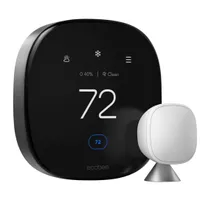
You can set your thermostat manually, but a programmable thermostat lets you ensure the heating is at a comfortable temperature when you wake up or when you arrive home.
A smart thermostat goes that one step further and enables you to adjust your heating schedule remotely, so if your plans change and you’re going to be home earlier or later than expected, you can adjust your heating to come on half an hour before you’re due home. Smart thermostats work to help optimize your energy usage, helping you become more energy efficient while reducing bills.
The best position to place a thermostat

The ideal spot to place a thermostat is on an interior wall, where the temperature is the most average in the home. “It should be pretty central, where things like draftiness or being closed off from the rest of the home aren’t a factor,” says Zimmer.
You should also avoid placing it near direct sunlight or close to appliances that might generate heat. When it's in the right spot, it will help to give your home a balanced temperature throughout the whole year.

Follow Tom's Guide on Google News and add us as a preferred source to get our up-to-date news, analysis, and reviews in your feeds.
More from Tom's Guide
- 5 tips to keep your house warm without turning up the thermostat
- Here's why your home is still cold — even with the heat on
- Expert reveals the key to preventing mold is to set your thermostat to this temperature