The more I explore what Claude Code can do, the more it becomes clear that Anthropic has built one of the best AI development tools on the market. It doesn't just generate code snippets; it can build full apps from scratch, debug complex errors, explain unfamiliar repositories, and completely automate your repetitive workflows.
But even after spending dozens of hours testing it, I realized I’d barely scratched the surface of what it can do.
Many of Claude Code's most useful features aren't immediately obvious. They're tucked away in technical documentation or designed for software engineers who live in the terminal.
Whether you're building your very first coding project, experimenting with AI-assisted workflows, or just looking to reclaim hours of your work week, here are the hidden Claude Code features you should start using right now.
1. Inject permanent project memory with a CLAUDE.md file

One of the single biggest time-savers in Claude Code is creating a CLAUDE.md file in your project's root folder. Think of it as a permanent onboarding manual. Instead of reminding Claude during every single chat session to use TypeScript, write unit tests, or follow a specific naming convention, you can bake those rules right into your project.
Claude automatically scans this file the moment you launch a session.
This is Ideal CLAUDE.md Architecture:
Project Overview: Tells Claude exactly what the app does. Example: "A Next.js dashboard for tracking personal finance."
Tech Stack: Locks down languages and frameworks. Example: TypeScript, TailwindCSS, PostgreSQL
Commands: Fast-tracks how Claude builds and tests. Example: npm run dev, npm run test
Code Style: Sets strict architectural rules. Example: "Always write dry code and include concise inline comments."
Pro-Tip: Don't turn this file into a textbook. Claude reads it at the start of every session, which uses up your token window. Keep it under 200–300 lines of highly concentrated project constraints.
2. Time-travel through your mistakes with Checkpoints
We’ve all had that heart-stopping moment where a single line of bad code completely breaks an application. Claude Code removes that anxiety entirely with its built-in checkpoint system.
As Claude works, it takes snapshots of your codebase. If an experimental feature goes sideways or a bug spirals out of control, you can instantly roll your project back to a pristine, earlier state.
How to use it: Type /rewind in the terminal (or hit Esc twice to bring up the history menu) and visually select the exact moment in time you want to jump back to.
3. Supercharge your workflow with Custom 'Skills'

While Claude Code features standard built-in slash commands for quick tasks, its true superpower is letting you build custom workflows called Skills.
If you find yourself repeatedly typing long, complex prompts to format data, generate marketing copies, or set up boilerplate folders, you can teach Claude a permanent Skill.
For example, you could teach it a /newsletter skill that automatically pulls your latest project updates, drafts a summary, structures an email template and suggests SEO improvements in one click. Once saved, it’s a permanent shortcut.
4. Break down complex jobs using Subagents
When you give an AI a massive, multi-step task, it can get overwhelmed and hallucinate. Claude Code solves this by dynamically spinning up specialized AI "subagents."
If you ask Claude to overhaul a major feature, it might quietly assign one subagent to review the existing code, order a second to write the new logic, and task a third with generating unit tests.
They work in parallel, pool their results, and present you with a finished product without forcing you to manage three separate chat windows.
5. Unlock external data with the Model Context Protocol (MCP)
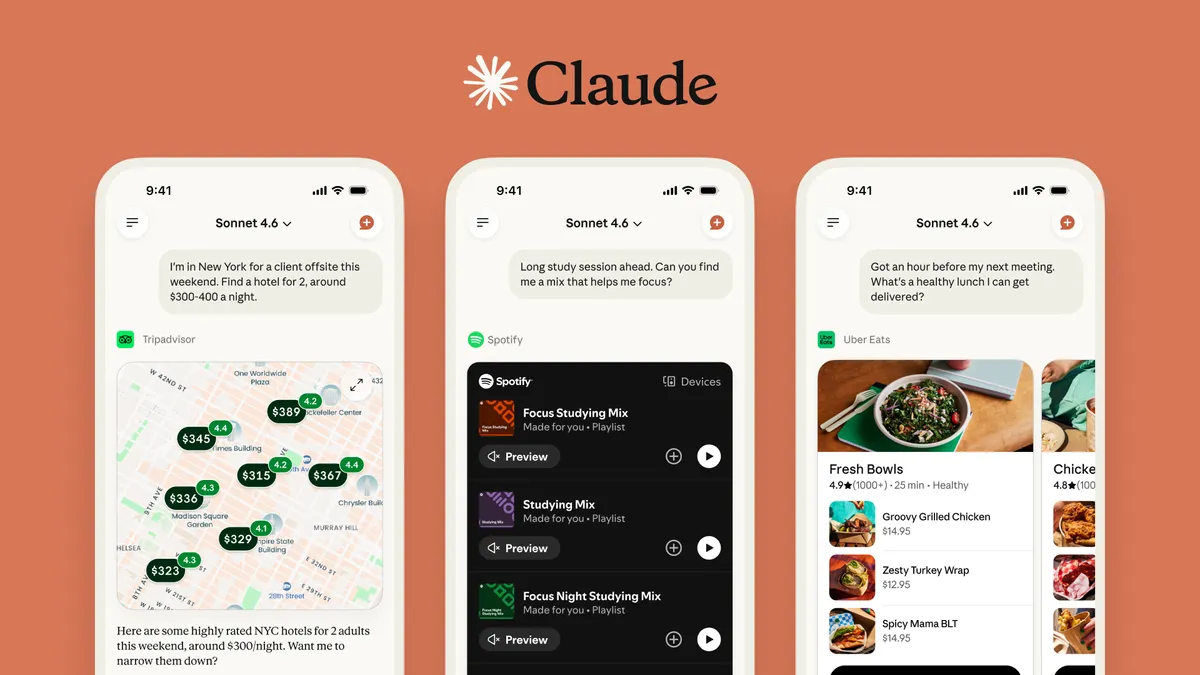
By default, most AI chatbots are trapped inside their own window, entirely blind to your external tools. Claude Code breaks down these walls using Anthropic’s Model Context Protocol (MCP).
MCP allows you to securely connect Claude directly to outside infrastructure — like your GitHub repositories, enterprise databases, Slack channels or web search APIs. Instead of constantly copying and pasting data back and forth between applications, Claude can pull the exact context it needs right into your workspace.
6. Let Claude run on autopilot with Headless Mode
Most people use Claude interactively, trading prompts back and forth. But "headless mode" allows Claude Code to run completely in the background without you actively sitting at your keyboard.
Advanced users and developers can embed Claude into automated terminal scripts. You can trigger it to run automatically at midnight to audit your code for bugs, generate fresh documentation, or draft release notes for your team while you sleep. It transitions Claude from a standard chatbot into an automated digital teammate.
7. Save your thumbs with built-in Slash Commands

Stop typing out lengthy paragraphs like "Please look over this specific file, check it for syntax errors, and give me feedback." Claude Code comes out of the box with built-in shortcuts designed to save your thumbs and keep you in the flow.
Essential Commands to Know:
/bugfix: Instructs Claude to scan your active file specifically for errors and fix them.
/review: Triggers a comprehensive code review and suggests optimization strategies.
/test: Automatically writes and executes tests for the code you just completed.
8. Put guardrails on your code using Hooks
If you want to ensure you never accidentally push broken code, you need to use hooks. Think of hooks as automated security guards that execute a check right before or right after a major action.
You can configure Claude to automatically run your project’s test suite before committing changes to git or force it to run a formatter the second it finishes writing a file. It's a foolproof way to catch minor typos and formatting issues before they turn into major headaches.
9. Pick up exactly where you left off
There is nothing worse than closing an AI coding session at night, only to spend 20 minutes the next morning re-explaining the entire project architecture to the chatbot. Claude Code maintains deep conversation history across sessions.
When you boot up the CLI the next day, you can instantly resume a previous thread with all the context, variables, and past logic perfectly preserved.
Final thoughts
It’s easy to look at Claude Code and assume it’s just another chat window that happens to sit in your terminal. But treating it like a standard chatbot sells it incredibly short.
Features like permanent project files (CLAUDE.md), automated subagents, instant rewind buttons and tool integration turn it into a true autonomous development partner.
You don’t need to master all 9 of these features on day one — but unlocking just two or three of them will radically change how fast you can build. Give them a try and let me know what you think in the comments.

Follow Tom's Guide on Google News and add us as a preferred source to get our up-to-date news, analysis, and reviews in your feeds. Subscribe to Tom's Guide on YouTube and follow us on TikTok. Finally, you can visit our dedicated Tom's Guide Savings Squad hub for expert help on getting the best products for less.
More from Tom's Guide