Squat variations can help you target the same muscle groups in different ways, and that's why I love the kickstand squat. It's technically a single-leg squat, as you're using your back leg as a kickstand and placing your weight into your front leg to help isolate it.
Over time, the compound exercise builds stronger legs, including your hips, quads, hamstrings and calves, and loading the kickstand squat will also test balance, mobility and core stability. Some clients even find it easier on their knees than the front squat or back squat.
Learn how to do the lower-body exercise step-by-step below, plus I'll discuss some of the benefits too.
How to do the kickstand squat
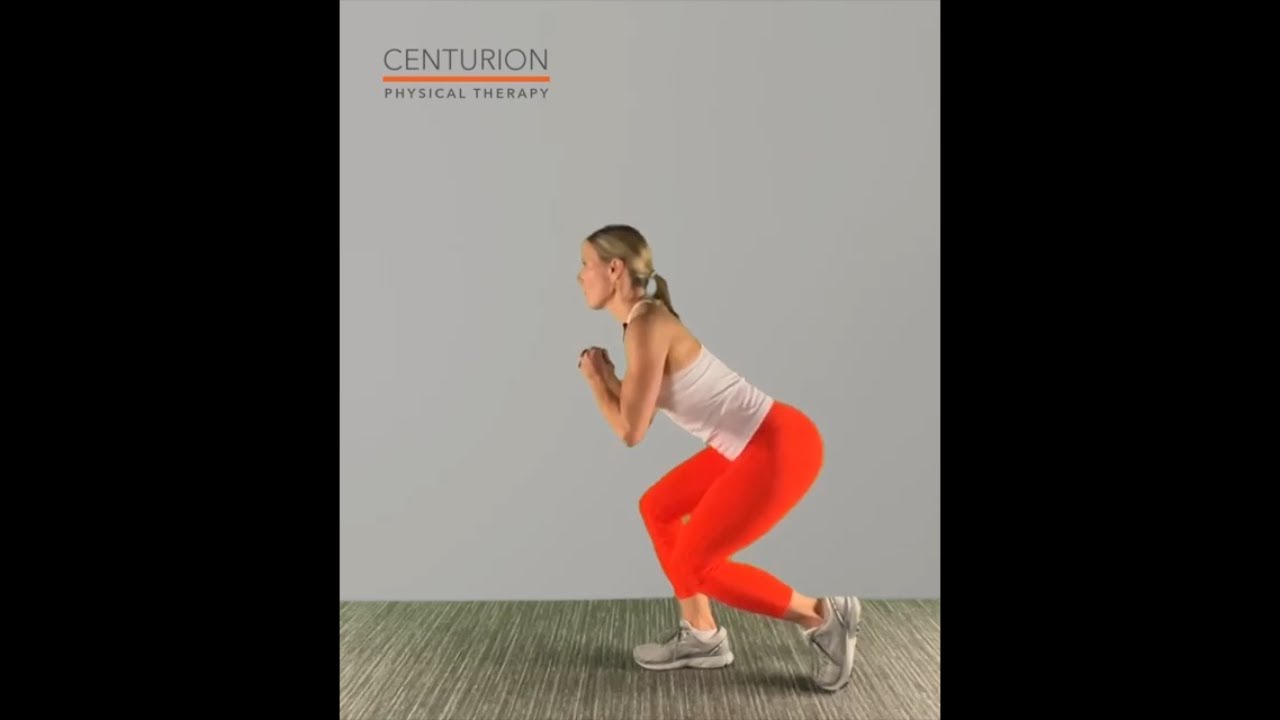
Here's a step-by-step guide, plus a video to show you the move:
- Start with your feet hip-width apart, then step your left foot back slightly and balance on the ball of your left foot, like a kickstand. Most of the tension should be in your front leg
- Square your hips and engage your core muscles by bracing as if expecting an impact
- Keep your chest up, shoulders back and back straight, then hinge at your hips and perform a squat, bending through your knees. You can lean slightly forward to engage your glutes more
- Drive through the heel of your front leg. Pause at the bottom of the squat, then drive upward to stand. You should feel the quads and glutes working hard in the front leg and the muscles along the posterior chain of the back leg activating (hamstrings).
Try to send your hips back to give you enough space to lower into the squat; otherwise, you may put more pressure on your knees.
What are kickstands good for?
By placing the majority of weight into one leg at a time, you can focus on ironing out any developing imbalances and dial into your alignment. The kickstand squat also helps improve lower-body joint mobility, but you must try to keep your knees aligned without them caving in or driving too far out.
Your back leg should only assist for some balance, essentially making this a single-leg squat, which can feel pretty intense in the working glute and quad muscles. So, work with your bodyweight first, then load when you feel comfortable.
Over time, you should notice better stability in your legs, helping you walk, run, climb and jump more comfortably.
Try to lower as far toward the ground as you can for optimal range of motion. Over time, you should notice better stability in your legs, helping you walk, run, climb and jump more comfortably.
I love kickstand variations because many people find they can't load single-leg squats due to a lack of balance. This option allows your back leg to provide minimal support, helping you load with confidence that you won't fall or wobble too much.
By feeling more in control, you can progressively overload your kickstand squat, creating plenty of mechanical tension for functional strength and growth. That said, it's still a challenging enough squat variation that you create instability to test your balance, particularly when adding load in the form of a barbell, kettlebell, or dumbbells.
I use movements like this when I train my dad because it tests his ankle mobility and stability as the back heel is lifted; the ankles and feet are crucial for stability and balance, so working on movements that improve your foot and ankle mechanics is crucial, especially as you age.
If you, like me, struggle to engage your glutes during squats, the kickstand squat is great for activating these muscles, as you can slightly hinge forward like you would for lunges or Bulgarian split squats. Engaging your glutes and core muscles will help protect your spine, which is often a problem area for people performing squats under heavy loads.
Aim for 3-4 sets of 8-10 reps per leg, progressively adding weight as you get stronger.
Looking for more fitness ideas?
Follow Tom's Guide fitness below!

Follow Tom's Guide on Google News and add us as a preferred source to get our up-to-date news, analysis, and reviews in your feeds.
More from Tom's Guide