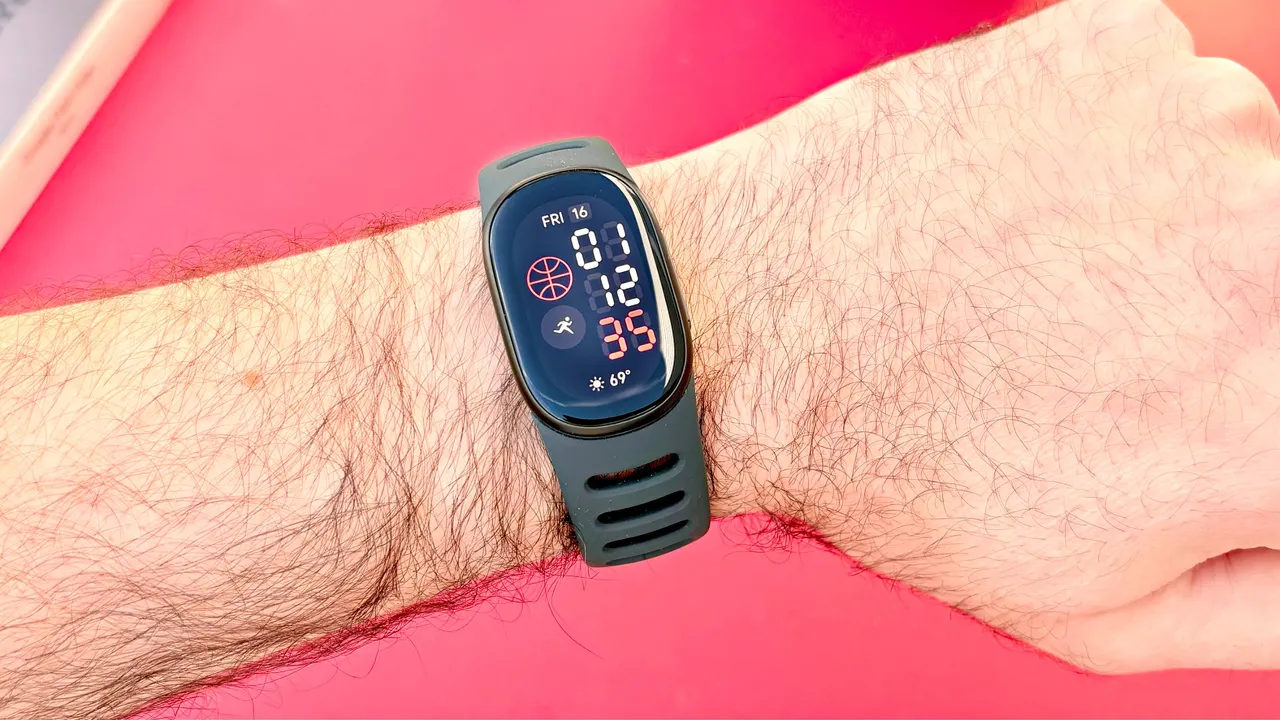
Tom's Guide Verdict
The Fitbit Edge is just the right amount of fitness tracker for most folks, thanks to a long-lasting battery, accurate location and elevation tracking without the need to carry a paired phone, a bright, responsive touchscreen, detailed sleep reports, support for 50+ workout types, and a comfortable, customizable design. Priced at a reasonable $179, even more advanced AI-powered holistic features can be unlocked via a Google Health Premium plan.
Reasons to buy
- +
Comfortable, customizable design
- +
Larger, brighter display than predecessor
- +
Onboard GPS and altimeter for accurate location and elevation tracking
- +
Detailed sleep reports and useful metrics like a dynamic Readiness Score
- +
Up to seven days of battery per charge
- +
Optional subscription unlocks useful holistic trend reports and more personalized training tips
Reasons to avoid
- -
No smart features
- -
Unlike its predecessor, the Fitbit Edge lacks NFC
- -
Auto workout tracking isn't always reliable
Why you can trust Tom's Guide Our writers and editors spend hours analyzing and reviewing products, services, and apps to help find what's best for you. Find out more about how we test, analyze, and rate.
The Fitbit Charge 6 is one of the fitness trackers I've recommended the most over the past three years. Originally launched in 2023, a replacement has been long overdue, and for a while, I had my doubts we'd ever get one.
After all, when Google acquired Fitbit in 2021, it wasn't crystal clear what the tech giant's plans were for the brand. Would the Fitbit name live on, or would the best bits of Fitbit be chopped up for parts and fed to the more advanced Pixel Watch line?
Now we have our answer. The Fitbit line truly lives on with the launch of the 2026 Fitbit Edge, which I've been wearing for the past ten days.
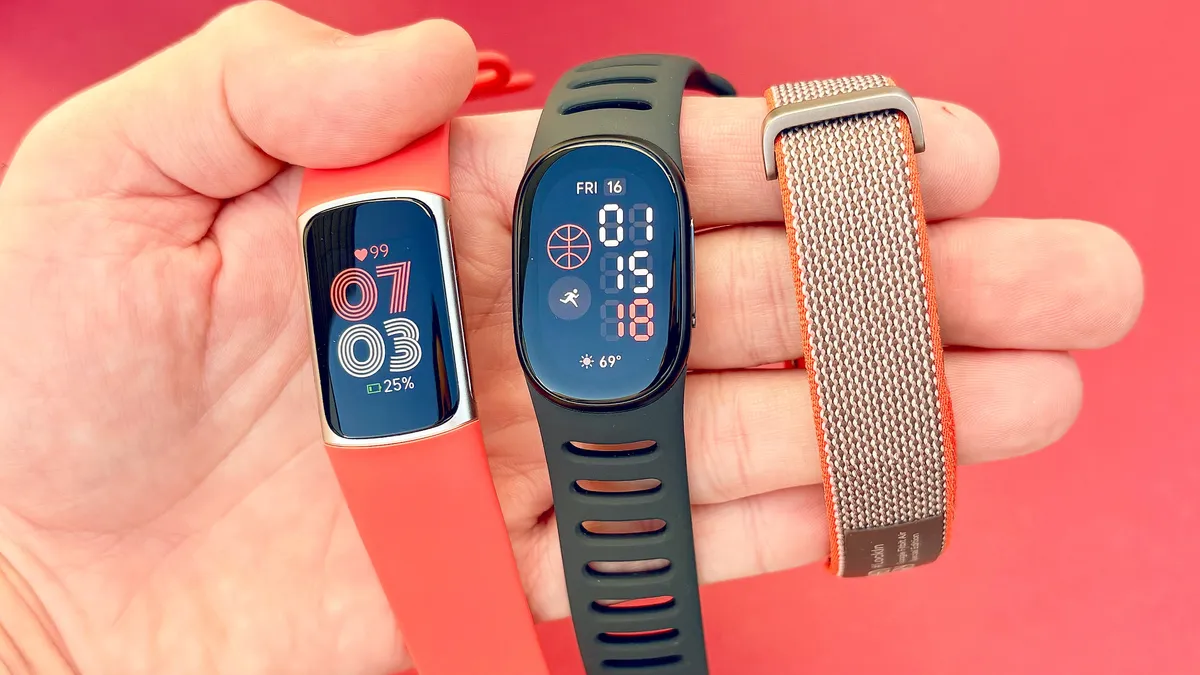
A worthy replacement for the Fitbit Charge 6, the Fitbit Edge is better than its predecessor in nearly every way. Moreover, the Fitbit Edge feels like just the right amount of fitness tracker for most folks, which is why I highly recommend it.
Fitbit Edge: Specs compared
| Header Cell - Column 0 | Fitbit Edge |
Fitbit Charge 6 |
Fitbit Air |
|---|---|---|---|
Price |
$179 |
$159 |
$99 |
Launch date |
October, 2026 |
September, 2023 |
May, 2026 |
Compatibility |
Android, iOS |
Android, iOS |
Android, iOS |
Dimensions |
39.2 x 25.6 x 11.6 mm |
36.7 x 23.1 x 11.2 mm |
35 x 17 x 8.3 mm |
Weight w/ strap |
32 g |
30 g |
12 g |
Display |
1.34-inch AMOLED |
1.04-inch AMOLED |
n/a |
Sensors |
Heart rate, SpO2, Skin temp, ECG, Accelerometer, Gyroscope |
Heart rate, SpO2, Skin temp, ECG, Accelerometer, Gyroscope |
Heart rate, SpO2, Skin temp, Accelerometer, Gyroscope |
GPS |
Yes |
Yes |
No |
Altimeter |
Yes |
No |
No |
NFC |
No |
Yes |
No |
Battery life (rated) |
Up to 7 days |
Up to 7 days |
Up to 7 days |
Water resistance |
50 meters |
50 meters |
50 meters |
Fitbit Edge value: 4/5
- The Fitbit Edge costs roughly the same as its 2023 predecessor, accounting for inflation
- The optional Google Health Premium subscription is $9.99 a month or $99 a year and includes personalized AI-backed holistic trend reports, training tips, custom workout plans, and more
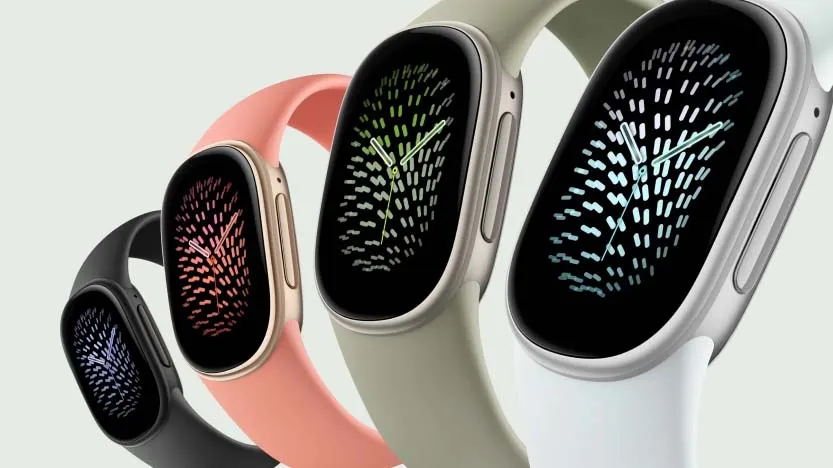
The Fitbit Edge is priced at $179 via Amazon and other major retailers, which is pretty close to the $159 launch price of its 2023 predecessor, accounting for inflation. It's also $79 more than the screen-free Fitbit Air, which also arrived this year.
Google offers the Fitbit Edge in an impressive range of case designs. Options include a Matte Black case with an Obsidian strap (shown here), a Satin Silver case with a "Fog" strap, a Satin Pyrite case with an Olive strap, a Champagne Gold case with a "Canyon" strap, and a Satin Pyrite case with a limited edition Stephen Curry band ($219).
There are also plenty of accessory straps in all styles and materials, including metal, silicone, and woven cloth to choose from for added personalization.
Fitbit Edge value: 4/5
Fitbit Edge design and display: 4.5/5
- Comfortable, highly customizable design with lots of strap options to choose from
- Aluminum case with 50 meters of water resistance
- Larger, brighter display than its predecessor, despite a similarly sized case design
- Google ditched the haptic button of the Fitbit Charge 6 for a more responsive physical button on the Fitbit Edge
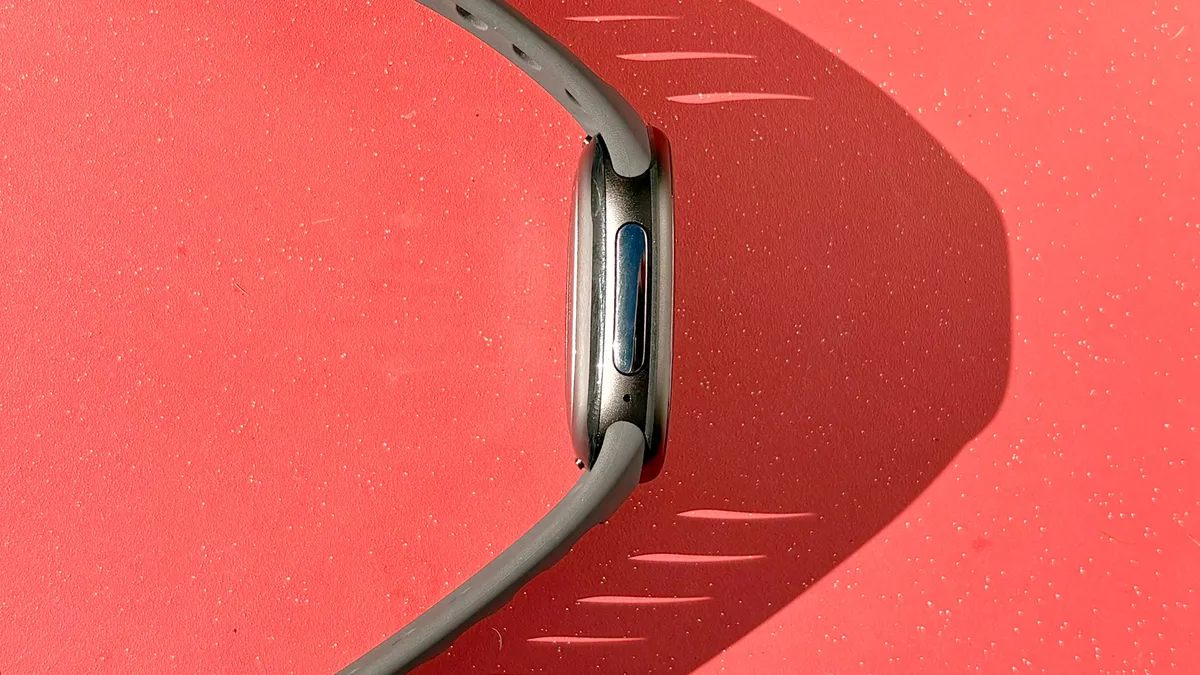
The Fitbit Edge case is a tad larger and heavier than its predecessor to accommodate a bigger display. That said, the two feel pretty much indistinguishable once on the wrist.
Ultimately, I prefer the design of the newer model for several key reasons. While both the Fitbit Charge 6 and Fitbit Edge feature aluminum cases and 50 meters of water resistance (enough for surface-level swims, hand-washing, etc.), the Edge boasts a 1.34-inch AMOLED screen with 1,000 nits of max brightness that's far roomier and easier to view in direct sunlight than the Charge 6's 1.04-inch touchscreen with roughly 450 nits of max brightness.
In terms of controls, the Fitbit Charge 6 has a single haptic-style button on the side of the case that vibrates slightly when you press it. I've never been a huge fan, and I'm thankful that Google reverted to a physical, clickable button on the Edge's case.
Fitbit Edge design and display: 4.5/5
Fitbit Edge Health tracking: 4.5/5
- Detailed nightly sleep reports are on par with the best fitness trackers and smartwatches I've tested
- The Fitbit Edge supports Google's latest Health Guardian features, including breathing emergency alerts and loss of pulse detection
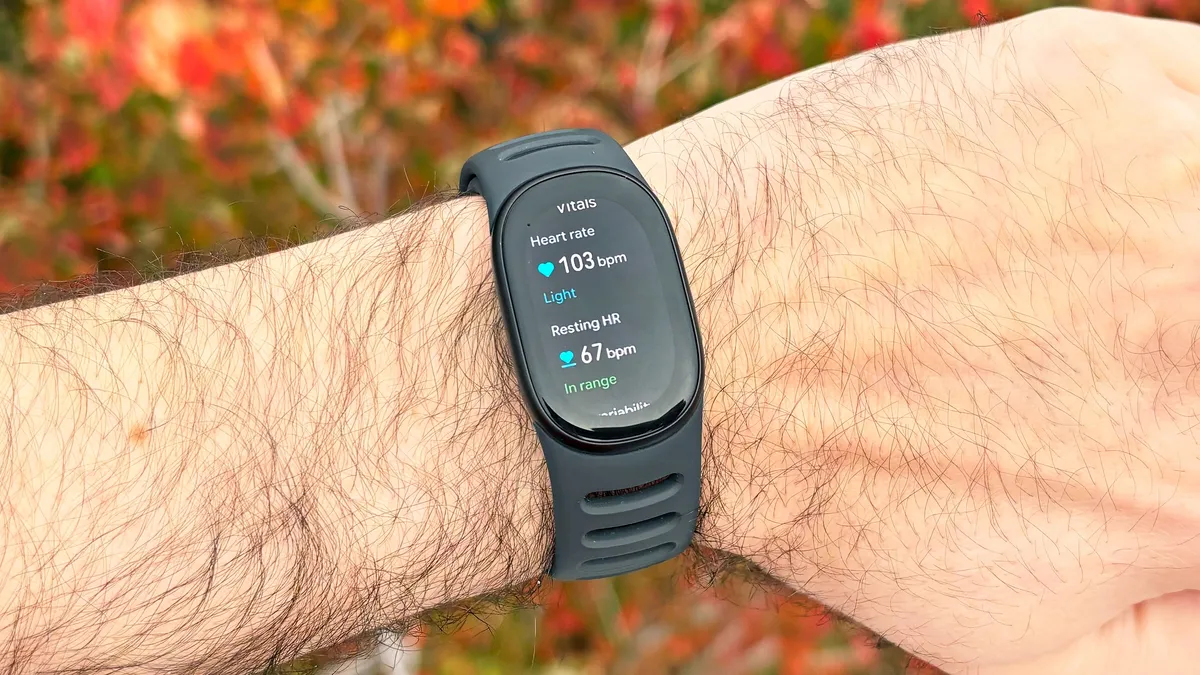
- The companion Google Health app is easy to navigate, with key vitals and metrics presented front and center, including your heart rate, HRV, breathing rate and quality, skin temperature, and blood oxygen saturation (SpO2)
- Some health tracking features require a Google Health Premium subscription, like insulin resistance and blood pressure trend reports
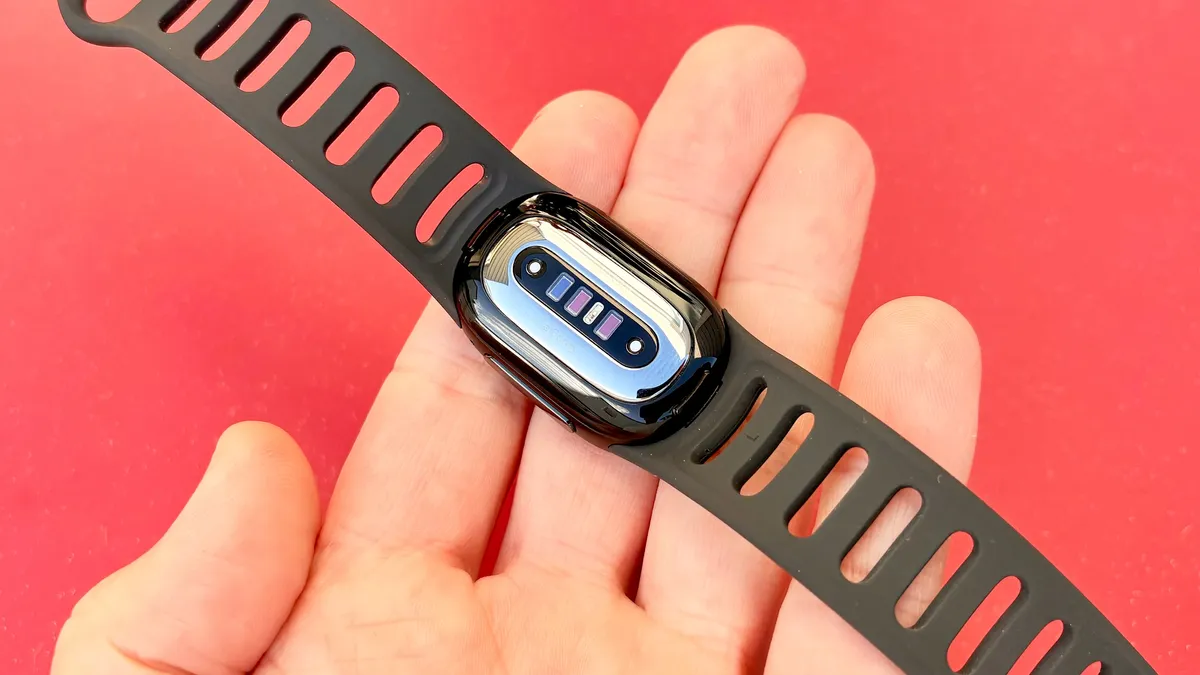
The Fitbit Edge is packed with all sorts of holistic tech to keep tabs on your heart health, sleep quality, body temperature fluctuations, breathing rate and quality, stress, women's health, and more.
I'm a particularly big fan of Google's detail-rich daily sleep reports, which include a numeric score out of 100 along with a rating, plus insights into time spent in various sleep stages, sleep interruptions, "sound sleep," and restlessness.
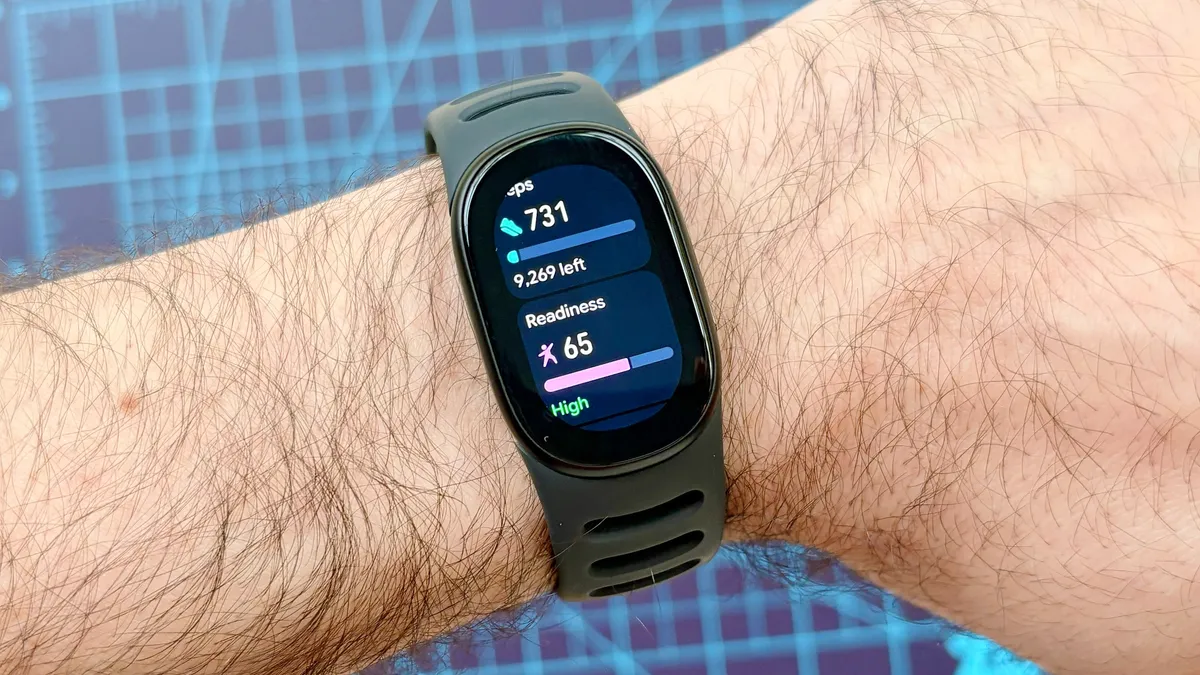
I also love Google's dynamic Readiness Score, also out of 100; it reflects how much effort you should put into physical fitness daily and is based on your resting heart rate, heart rate variability trends, and recent sleep quality. A low Readiness Score might also reflect an oncoming illness or general fatigue.
For example, my Readiness Score this morning was 65/100, which Google considers high. This means that I got solid recovery over the weekend, and I'm cleared for a hardcore workout this afternoon.
The Google Health app, which replaces the old Fitbit app, puts all your most important insights and metrics front and center on the main "Today" tab. That said, users can fully customize what appears. By default, the Today tab shows your current step count for the day, Readiness Score, sleep duration and score, and progress toward your weekly cardio goals.
Meanwhile, the Vitals tab is where you'll find your real-time cardiovascular insights beyond heart rate, including your heart rate variability (HRV), resting heart rate trends, blood oxygen saturation levels, and VO2 max, a measure of the maximum amount of oxygen your body uses during peak exercise.
The Edge also supports all of Google's Health Guardian features, like high and low heart rate alerts, breathing emergency alerts, and loss of pulse detection.
Finally, Google Health Premium subscribers get access to Google's new insulin resistance and blood pressure trend reports, something older Fitbit models don't support. The subscription also unlocks Google's AI-powered health concierge called "The Coach," which can help you set goals and better understand your real-time and long-term health data.
Fitbit Edge Health tracking: 4.5/5
Fitbit Edge fitness tracking: 4.5/5
- The Fitbit Edge has onboard GPS (unlike the Fitbit Air) and a barometric altimeter (unlike the Fitbit Charge 6) for precise location and elevation data
- The Fitbit Edge proved just as accurate at tracking a basic walking workout as the Strava app
- 50+ common workout types are supported, but auto-workout detection isn't always reliable
- Highly-personalized training plans, recovery advice, and more are available via the Google Health Premium subscription; the Edge ships with a trial to try before you buy
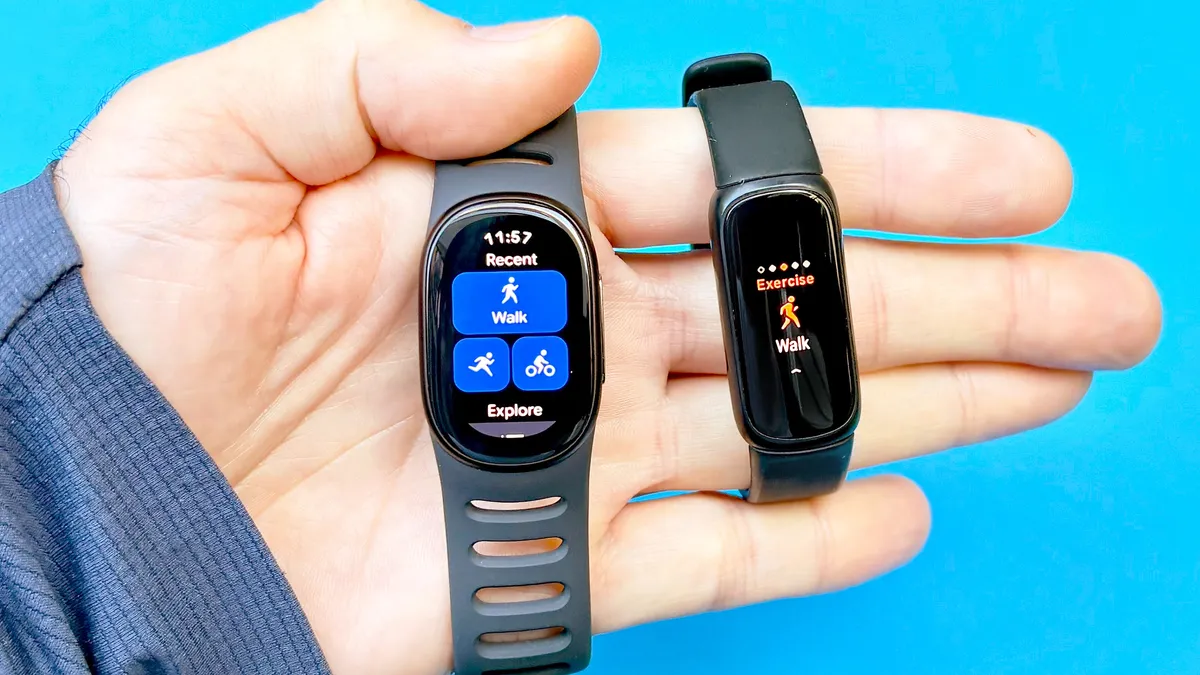
The Fitbit Edge has one clear advantage over its predecessor when it comes to fitness tracking: the inclusion of a barometric altimeter. This handy piece of tech is used to precisely log changes in elevation when tracking an outdoor workout. Not only does the Charge 6 lack an altimeter, but it also doesn't even report climb data.
In terms of accuracy, I tested the Fitbit Edge's outdoor workout tracking performance against the Strava app running on my iPhone 16 Plus during a particularly hilly ~2.5-mile walk around Seattle, Washington. Check out the results below.
| Header Cell - Column 0 | Fitbit Edge |
Strava app + iPhone 16 Plus |
|---|---|---|
Steps |
4,643 steps |
4,642 steps |
Distance |
2.29 miles |
2.47 miles |
Climb |
183 feet |
187 feet |
Pace (elapsed) |
21 mins 41 secs per mile |
19 mins 42 secs per mile |
Average heart rate |
115 bpm |
n/a |
Max heart rate |
143 bpm |
n/a |
The Edge logged nearly the exact same number of steps taken during the workout, along with remarkably similar elevation gain data. Distance data aligns slightly less well; the same goes for pace. Then again, Strava almost always logs a quicker pace than other tracking methods I've tested.
The Fitbit Edge additionally supports 50+ common workout types and can even auto-detect certain ones, like walks and runs, with hit-or-miss reliability. One of the downsides of the feature is that users need to perform a workout for 15 consecutive minutes before auto-detection kicks in.
This stipulation means that, as a newbie runner who tends to interval train with a mix of running and walking, I can't really rely on the Edge's auto-detection to log my training efforts.
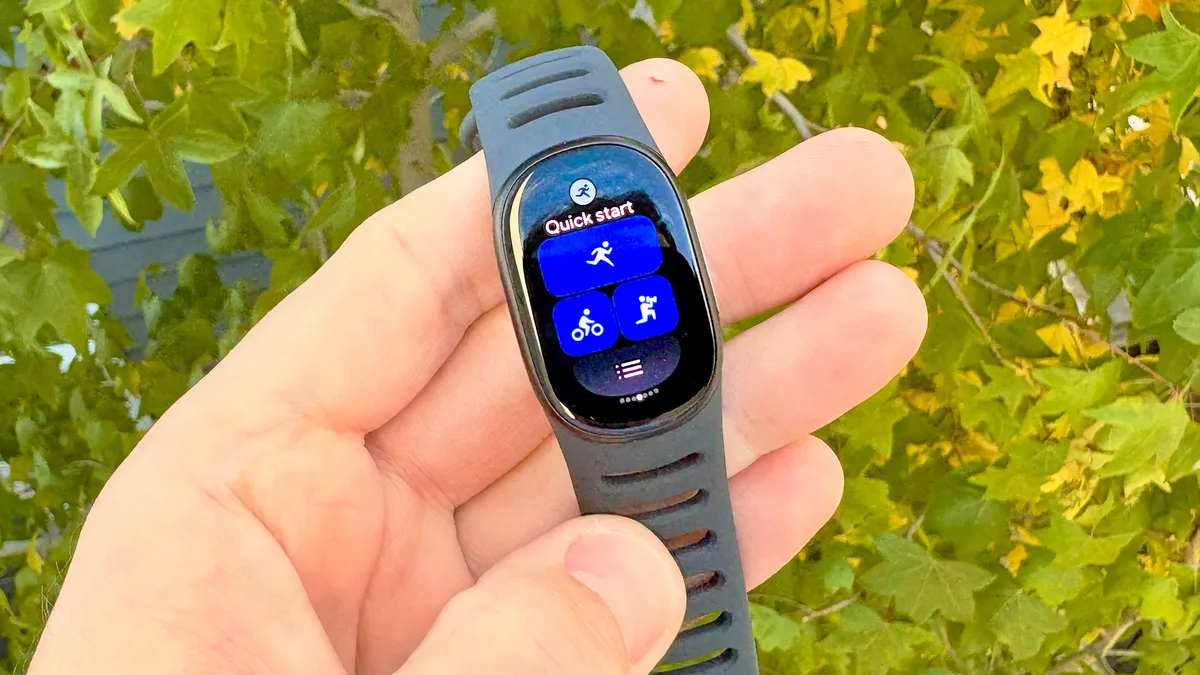
Some of the Fitbit Edge's most impressive training tools and insights require a Google Health Premium subscription. Fortunately, the tracker ships with a three-month free trial.
Premium subscribers get personalized, adaptive training plans via Google's AI-powered "Coach," custom-tailored daily recommendations to build better workout and recovery habits, and access to Google's large library of fitness and mindfulness video content.
Fitbit Edge fitness tracking: 4.5/5
Fitbit Edge smart features: 2.5/5
- The Fitbit Edge isn't the wearable to get if you want smart features
- The Edge does support mirrored notifications and music control for paired Android and iOS devices
- Unlike the Fitbit Charge 6, the new Fitbit Edge lacks NFC for contactless payments
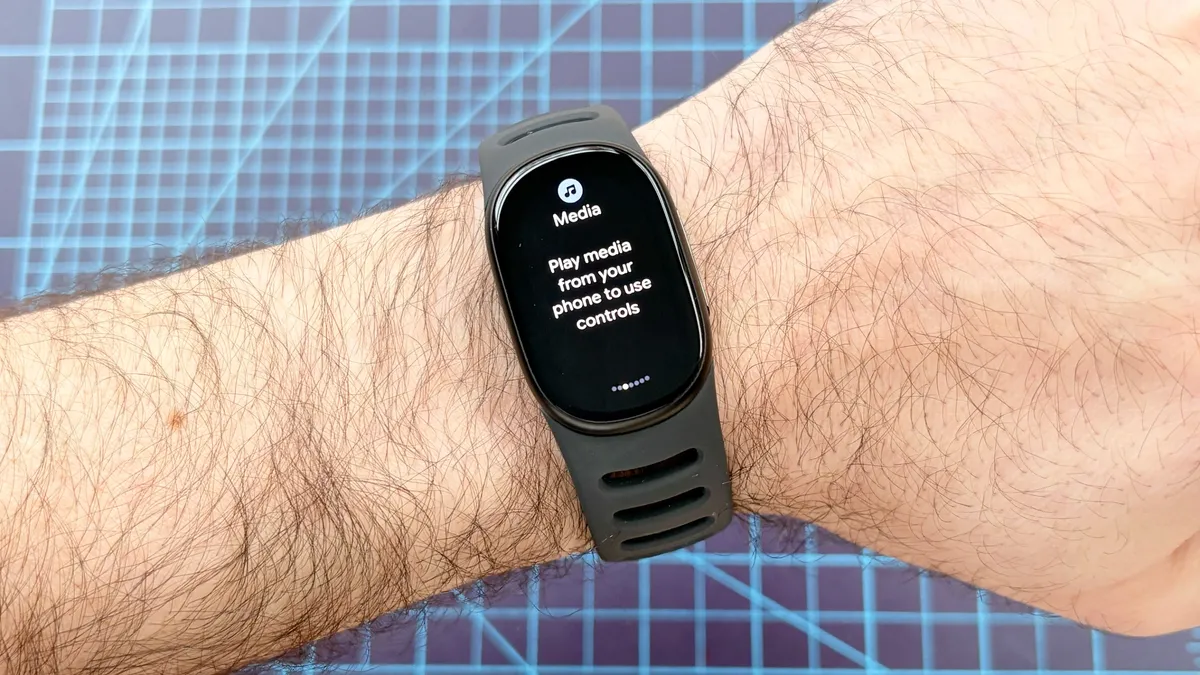
If you want smart features, the Fitbit Edge probably isn't the wearable for you. Instead, consider the Google Pixel Watch 5, one of the best smartwatches of 2026.
That said, the Fitbit Edge does work with both Android and iOS devices (unlike the Pixel Watch 5), with support for mirrored notifications and music/media control.
Unfortunately, unlike 2023's Fitbit Charge 6, the Fitbit Edge lacks onboard NFC for contactless payments.
Fitbit Edge smart features: 2/5
Fitbit Edge battery life: 4.5/5
- In my testing, the Edge surpassed its advertised battery life rating of seven days per charge
- That includes logging one ~45-minute workout per day during the test period
- The Fitbit Edge recharges from 0 to 100% in about 90 minutes, compared to a two-hour recharge time for the Fitbit Charge 6
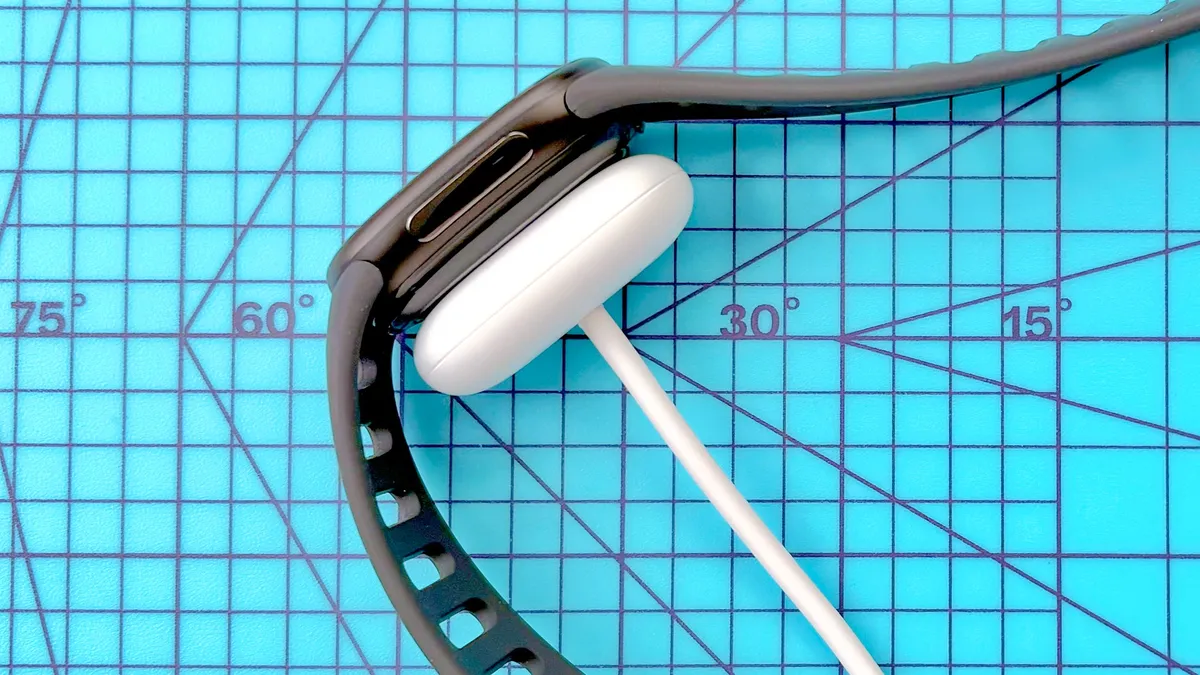
Google rates the Fitbit Edge's battery life at seven days per charge with normal use, the same as its predecessor. However, in reality, the Fitbit Charge 6 lasts closer to five or six days per charge.
Fortunately, in my testing, the Fitbit Edge not only met the advertised rating, but surpassed it by a cool 24 hours. During the eight days of battery testing, the Edge rarely left my wrist, and I logged a roughly 45-minute outdoor workout using GPS each day of the test period.
The Fitbit Edge also recharges faster than its predecessor. Google claims a 90-minute recharge time from 0 to 100%. In my testing, it took the Edge roughly 90 minutes to go from 5% to 100%. By comparison, the Fitbit Charge 6 needs closer to two hours for a full recharge.
Fitbit Edge battery life: 4.5/5
Fitbit Edge review: Verdict
The Fitbit Edge offers nearly all of the best health and fitness features found in the latest Google Pixel Watch 5, for a fraction of the price (and in a smaller form factor).
The Fitbit Edge is, in most regards, the perfect successor to the Fitbit Charge 6, with a bigger, brighter display, easier-to-use controls, more accurate elevation tracking, access to Google's latest/greatest health and safety features, and better battery performance, in an equally comfortable, similarly priced package.
Put another way, the Fitbit Edge offers nearly all of the best health and fitness features found in the latest Google Pixel Watch 5, for a fraction of the price (and in a smaller form factor).
But what about the lack of NFC for contactless payments? My theory is that Google needed to free up some space in the case for the barometric altimeter (used to track elevation), a tradeoff I fully support. After all, as an avid mountain adventurer, while paying for a coffee with my Fitbit sounds nice, accurate climb data is a whole lot nicer.
Fitbit Edge final score: 24/30